The licensed holiday pop-up model is proving more durable than most seasonal F&B formats. Miracle Cocktails Inc. opens its 12th consecutive season this November, activating more than 150 bar locations worldwide under its flagship Miracle brand — a scale that few experiential beverage concepts have sustained across a decade-plus run. The flagship New York location, Miracle on 9th Street at The Cabinet Mezcal Bar, opens November 6, 2026, with partner venues rolling out across November.
The Licensing Play
The Miracle model is fundamentally a licensing and brand-infrastructure business dressed as a holiday experience. Partner bars receive an original cocktail menu, collectible drinkware, and décor systems — lowering the creative lift for individual operators while Miracle Cocktails Inc. captures licensing revenue and brand equity across a distributed footprint. That structure has now reached more than 300 bars licensed globally since the concept launched in 2014. For bar operators evaluating seasonal programming, the model represents a plug-in activation rather than a ground-up build: a meaningful distinction when labor and concept-development costs remain elevated across on-premise hospitality.
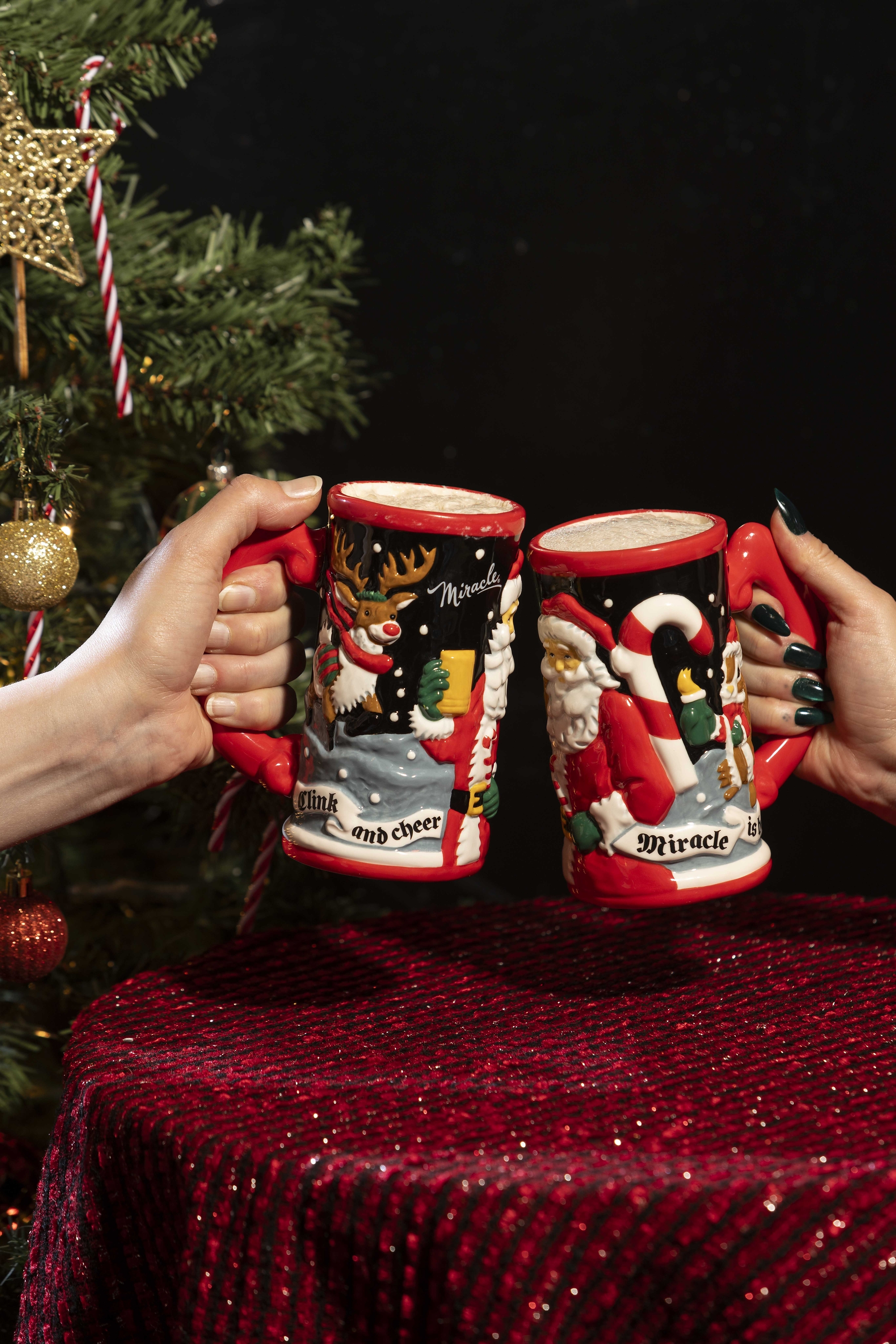
Collectible drinkware — produced by sister company Cocktail Kingdom, a barware manufacturer and distributor — functions as both a revenue driver and a word-of-mouth engine. Guests seeking specific mugs generate repeat visits and social content that independent operators would struggle to produce on their own marketing budgets. The 2026 menu, developed by Miracle Vice President Joann Spiegel, layers new signatures including the Sugarplum Stampede, Sleigh-Saurus, and Merry Mouse-Tail alongside established draws like the Christmapolitan and Snowball Old-Fashioned.
Zero-Proof and Year-Round Ambitions
Two strategic threads in this season's announcement are worth flagging for operators and beverage program directors. First, Miracle is expanding its zero-proof and low-ABV offerings in direct response to rising demand — a trend that beverage-forward operators are navigating across every daypart. Non-alcoholic cocktail menu expansion is no longer a niche accommodation; it is increasingly a volume and check-average decision for on-premise venues. Miracle's willingness to formalize that expansion at scale signals category maturation.
Second, Miracle Cocktails Inc. is deliberately pushing toward a year-round portfolio. Beachbum Berry's Sippin' Santa, marking its 10th anniversary, returns for the tropical holiday slot. More consequentially, the company is debuting The Haunting, its first Halloween-themed pop-up, at bars worldwide — extending the licensed-activation model into a second seasonal window. For partner bars, that creates two bookable pop-up seasons per calendar year rather than one, improving the return on the operational relationship. For the broader brand-launch and experiential activation space, it signals that the pop-up licensing model has enough proven margin to justify category extension.
Operators evaluating seasonal activations for Q4 2026 and beyond should assess whether a licensed concept like Miracle or a white-label experiential program fits their venue better than building original seasonal programming from scratch — particularly as consumer expectations for immersive bar environments continue to rise.
Written by Michael Politz, Author of Guide to Restaurant Success: The Proven Process for Starting Any Restaurant Business From Scratch to Success (ISBN: 978-1-119-66896-1), Founder of Food & Beverage Magazine, the leading online magazine and resource in the industry. Designer of the Bluetooth logo and recognized in Entrepreneur Magazine's "Top 40 Under 40" for founding American Wholesale Floral, Politz is also the Co-founder of the Proof Awards and the CPG Awards and a partner in numerous consumer brands across the food and beverage sector.