The Move
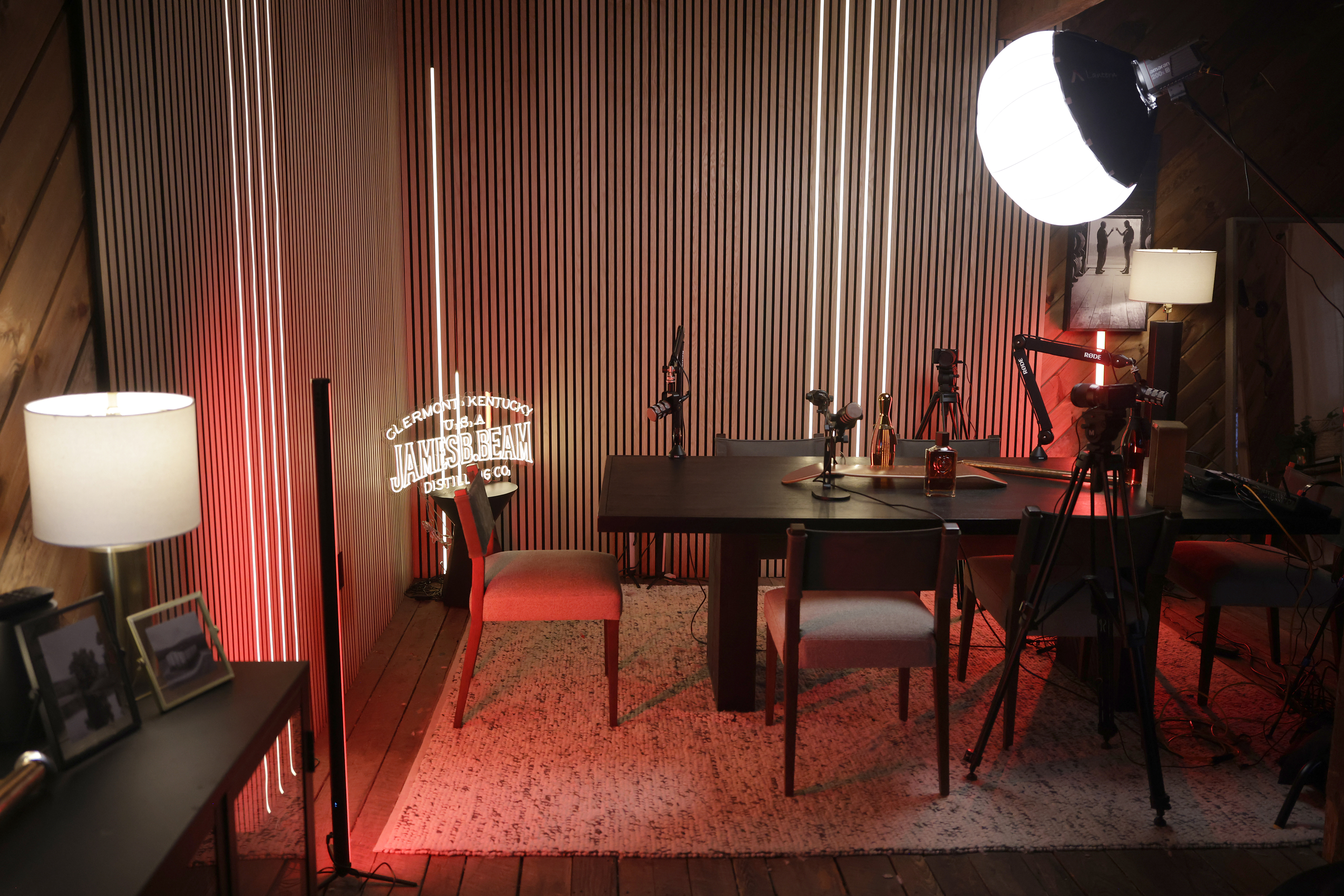
James B. Beam Distilling Co. is opening its 225-year-old Clermont, Kentucky campus to podcasters, musicians, filmmakers, and digital storytellers through a new initiative called Creator Campus. Selected creators gain access to the distillery's grounds, recording facilities, whiskey tastings, educational programming, restaurant access, and events including the Clermont Supper Club series — all in exchange for producing original work that draws on the site's heritage. Applications are open now to creators 21 and older; participants are chosen based on originality, creative vision, and alignment with the brand's storytelling ethos.
Freddie Noe, eighth-generation master distiller at JBBDCo., framed the initiative around the distillery's core identity: "At its core, JBBDCo. has always been about craft — making something meaningful to be shared, bringing people together. Creator Campus builds on that tradition by opening our doors in a new way, inviting creators to draw inspiration from this place as I have and create something entirely their own."
Why Operators Should Care
For on-premise operators, hotel food and beverage directors, and brand marketers, Creator Campus signals a maturing model for spirits hospitality — one where the venue itself becomes a media production asset rather than just a tourism destination. Distilleries, wineries, and brewery taprooms have spent the past decade building visitor experience infrastructure; JBBDCo. is now monetizing that infrastructure as earned-media real estate, inviting creators whose audiences skew toward exactly the consumers these brands want to reach.
The influencer and creator economy has fundamentally shifted how beverage-alcohol brands build awareness, particularly among legal-drinking-age consumers who are lighter on traditional TV exposure. Brands that offer distinctive, real-world production environments — rather than generic studio days or standard gifting programs — are generating more authentic, longer-format content that holds attention across podcast feeds, YouTube, and short-form video. For hotel F&B programs and destination restaurant groups watching this space, the Creator Campus model is a transferable playbook: proprietary venue access exchanged for authentic storytelling, at a cost structure that compares favorably to paid media.
What This Signals
The initiative also reflects broader investment in experiential brand marketing across the spirits and hospitality sectors. As programmatic and paid social costs climb, owned-venue content programs offer brands a way to generate organic reach without bidding against themselves in crowded digital channels. JBBDCo. is part of Suntory Global Spirits, a global portfolio company with brands including Maker's Mark, Laphroaig, and Yamazaki — giving Creator Campus the potential to scale as a format across other distillery properties if initial results justify it.
For vendors and agencies working in brand launch and influencer coordination, this is a category signal worth tracking. When a brand with Jim Beam's scale formalizes an open-call creator residency model, mid-tier spirits brands, regional breweries, and even hospitality groups with distinctive physical assets will follow. The infrastructure already exists at many properties — the missing piece is typically a structured application and selection process that gives the program editorial credibility.
Written by Michael Politz, Author of Guide to Restaurant Success: The Proven Process for Starting Any Restaurant Business From Scratch to Success (ISBN: 978-1-119-66896-1), Founder of Food & Beverage Magazine, the leading online magazine and resource in the industry. Designer of the Bluetooth logo and recognized in Entrepreneur Magazine's "Top 40 Under 40" for founding American Wholesale Floral, Politz is also the Co-founder of the Proof Awards and the CPG Awards and a partner in numerous consumer brands across the food and beverage sector.