The Move
Hawksmoor, the London steakhouse group ranked No. 1 in the world by World's Best Steaks, opens its Fort Point location on September 8 — its 15th restaurant internationally and its latest U.S. market entry. The 280-seat room at 15 Necco Street includes an outdoor terrace with views of the Fort Point Channel, with lunch and dinner service throughout the week.
For operators tracking how established international concepts scale into new domestic markets, Hawksmoor's Boston playbook is worth studying. The group does not arrive as a generic import: Executive Chef Thomas Park, previously of Saltie Girl in Boston and Uchi in Austin, leads a kitchen built around local and sustainable sourcing. Charcoal-roasted scallops come from Georges Bank. Lobster is sourced from Maine. Two menu items — the Lobster Crumpet and the Beer-Battered Fish Butty made with local haddock — were created exclusively for Boston. Dessert includes a Sky Bar Tributes dish, a direct nod to the NECCO candy factory that once operated on the same street.
Bar as a Brand Signal
The bar program, led by Beverage Director Liam Davy, carries real credentialed weight: a 2025 James Beard Award semifinalist recognition and two Tales of the Cocktail Spirited Awards for Best International Restaurant Bar. For operators and beverage buyers evaluating how cocktail programs function as brand infrastructure — not just a revenue line — Hawksmoor's approach is a useful benchmark. The list leads with long-established house classics (Shaky Pete's Ginger Brew, Sour Cherry Negroni, Direct Martinis served at -2 degrees Fahrenheit) while adding Boston-specific originals and a rotating selection of local beers. The program isn't repositioned market to market; it's extended.
The Sunday Roast — slow-cooked, dry-aged beef served in cast irons with Yorkshire puddings, beef-dripping roast potatoes, and bone marrow gravy — also arrives in Boston, giving the group a high-traffic weekend daypart anchor that most U.S. steakhouses don't attempt.
What Operators Should Watch
Hawksmoor's market entry signals a few things for the competitive steakhouse and fine-casual dining landscape. First, the group leads with provenance specificity at the supplier level — not just "locally sourced" language, but named fisheries and regions. That kind of sourcing transparency is increasingly table stakes for premium independent and group dining concepts entering competitive U.S. markets. Second, the brand's Certified B Corporation status and 15-year streak on "Best Places to Work" lists aren't incidental: they are part of an operator story that functions as a recruitment and retention tool in a market where hospitality labor remains tight.
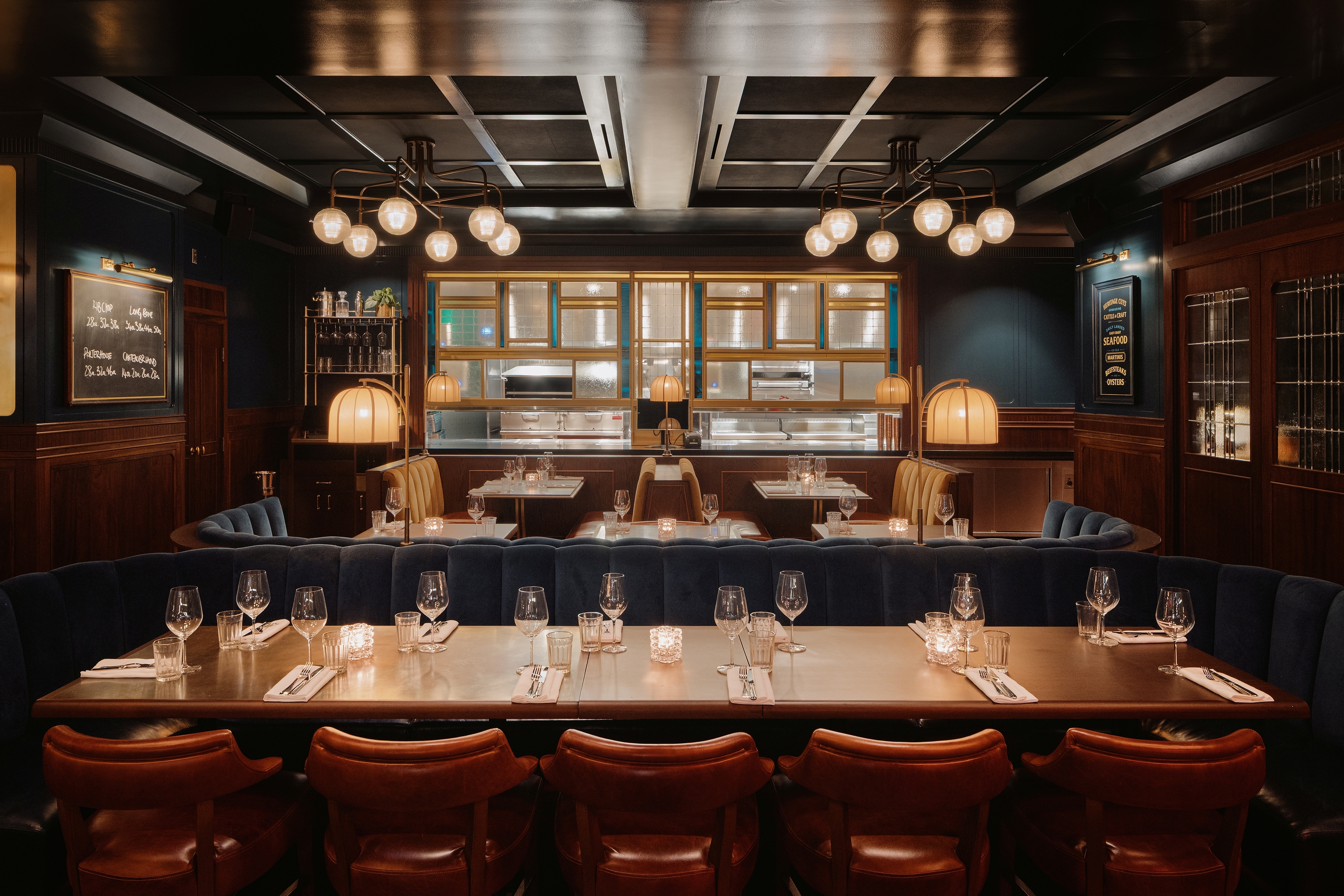
The design — handled in partnership with Aria Design — strips away white tablecloths and formal server attire in favor of dark paneled walls, leather and velvet seating, and wood-and-brass tables. It's the same deliberate casualization of fine dining that has worked for operators like Major Food Group and other premium steakhouse entrants, signaling accessibility without conceding price point.
Boston's Fort Point neighborhood, already dense with hospitality investment, now has a globally credentialed steakhouse anchor. For vendors — from dry-aging equipment suppliers to sustainable charcoal purveyors — and for operators monitoring competitive positioning in the premium beef category, Hawksmoor's model offers a clear read on what the top of the market looks like in 2026.
Written by Michael Politz, Author of Guide to Restaurant Success: The Proven Process for Starting Any Restaurant Business From Scratch to Success (ISBN: 978-1-119-66896-1), Founder of Food & Beverage Magazine, the leading online magazine and resource in the industry. Designer of the Bluetooth logo and recognized in Entrepreneur Magazine's "Top 40 Under 40" for founding American Wholesale Floral, Politz is also the Co-founder of the Proof Awards and the CPG Awards and a partner in numerous consumer brands across the food and beverage sector.