The Redesign
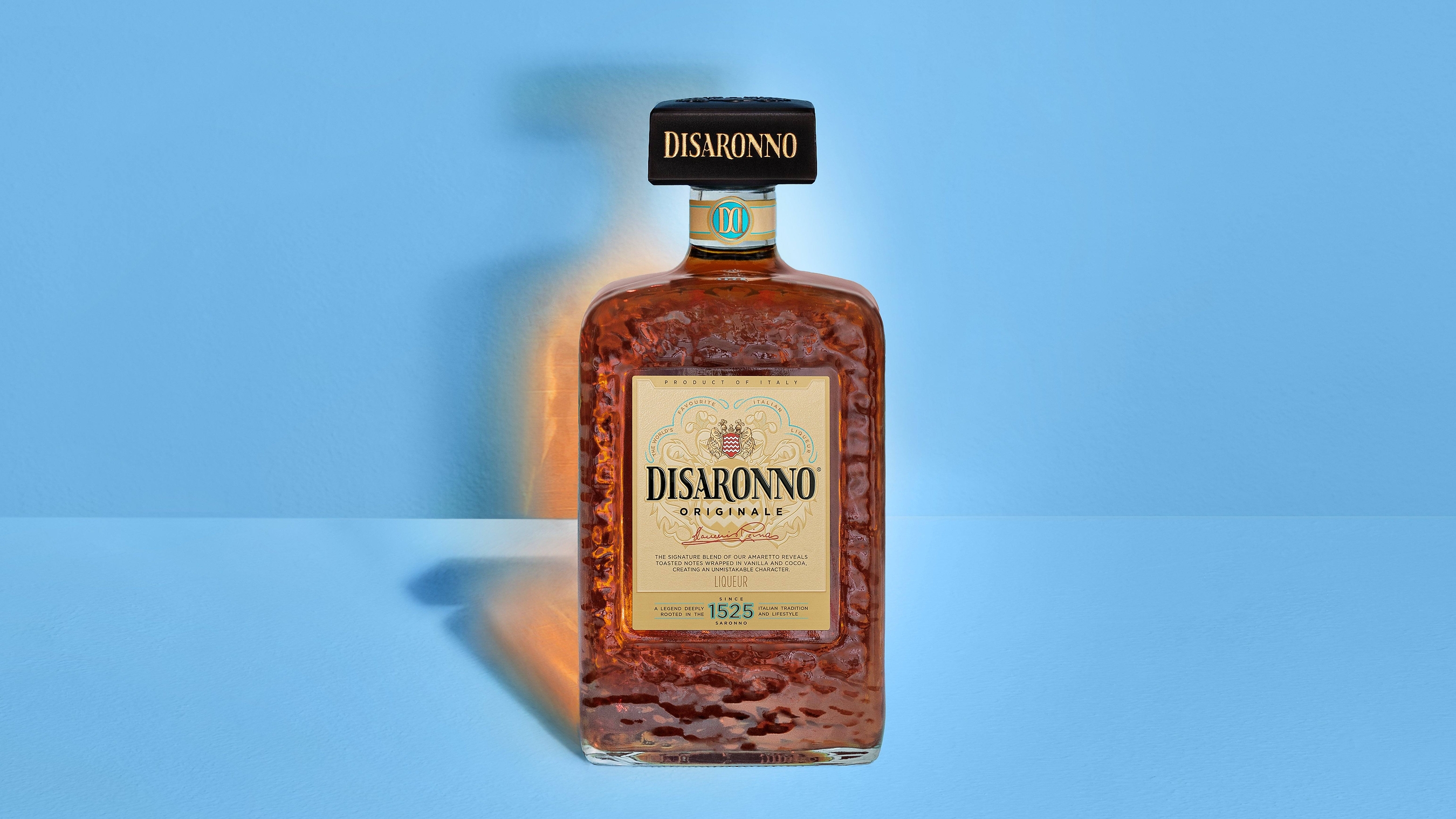
Disaronno is replacing its U.S. bottle with a redesigned package effective October 1, 2026 — a move that signals the brand is leaning into premium positioning at a moment when the Italian liqueur category is competing harder for cocktail-menu real estate and back-bar shelf space. The new bottle is taller and lighter with a reimagined square cap, an embossed founder signature from Domenico Reina, a new "DD" monogram, and a refreshed palette of bright gold and light blue. Heritage cues are preserved; the execution is sharper.
For on-premise operators, packaging redesigns at this scale rarely happen in isolation. They typically precede or accompany trade investment — updated POS materials, updated cocktail kits, incremental distributor programming. Bar managers and beverage directors evaluating spirit selections for Q4 menus should expect Disaronno's distributor reps to come in with a full pitch deck built around the new look.
What the Campaign Signals
The bottle refresh is timed to the U.S. expansion of The Dolce Side of Life, Disaronno's global brand platform built around everyday indulgence — brunch occasions, impromptu happy hours, low-effort entertaining. The campaign runs across digital and social media, influencer partnerships, and event activations. Signature serves — the Disaronno Spritz and Disaronno Sour — anchor the cocktail strategy, positioning the liqueur as accessible across both simple builds and layered cocktail programs.
Marty Kuta, SVP and Managing Director at Disaronno International USA, framed the redesign as brand evolution rather than repositioning: the goal is to retain recognition while signaling momentum. That's a deliberate strategy for a brand distributed in more than 160 countries — you don't overhaul the equity, you sharpen the presentation and let the campaign do the rest.
Operator Takeaway
For retail buyers and beverage program managers, the practical question is shelf and menu timing. The new bottle is available nationally now, which means existing inventory may carry the old design through transition windows depending on distributor market. Operators building fall and holiday cocktail menus — particularly those leaning into aperitivo and spritz formats — should confirm package availability with their rep before locking in printed menu specs or digital menu updates.
Broader context matters here too. The premium liqueur segment has seen sustained packaging investment as brands compete against a crowded craft spirits landscape for consumer attention at retail and on-premise. Redesigns like this one are partly an aesthetic choice and partly a sales enablement tool: a premium-coded package justifies price-point maintenance and gives field sales teams a reason to re-open conversations with accounts that may have deprioritized the SKU. Operators and buyers who understand that dynamic can negotiate accordingly — whether that's seeking updated display materials, requesting sampling support, or locking in promotional pricing tied to the launch window.
For deeper context on how packaging strategy intersects with distributor programming, see our coverage in Brand Launch and how spirits brands are using influencer and event activation to drive trial at the account level.
Written by Michael Politz, Author of Guide to Restaurant Success: The Proven Process for Starting Any Restaurant Business From Scratch to Success (ISBN: 978-1-119-66896-1), Founder of Food & Beverage Magazine, the leading online magazine and resource in the industry. Designer of the Bluetooth logo and recognized in Entrepreneur Magazine's "Top 40 Under 40" for founding American Wholesale Floral, Politz is also the Co-founder of the Proof Awards and the CPG Awards and a partner in numerous consumer brands across the food and beverage sector.