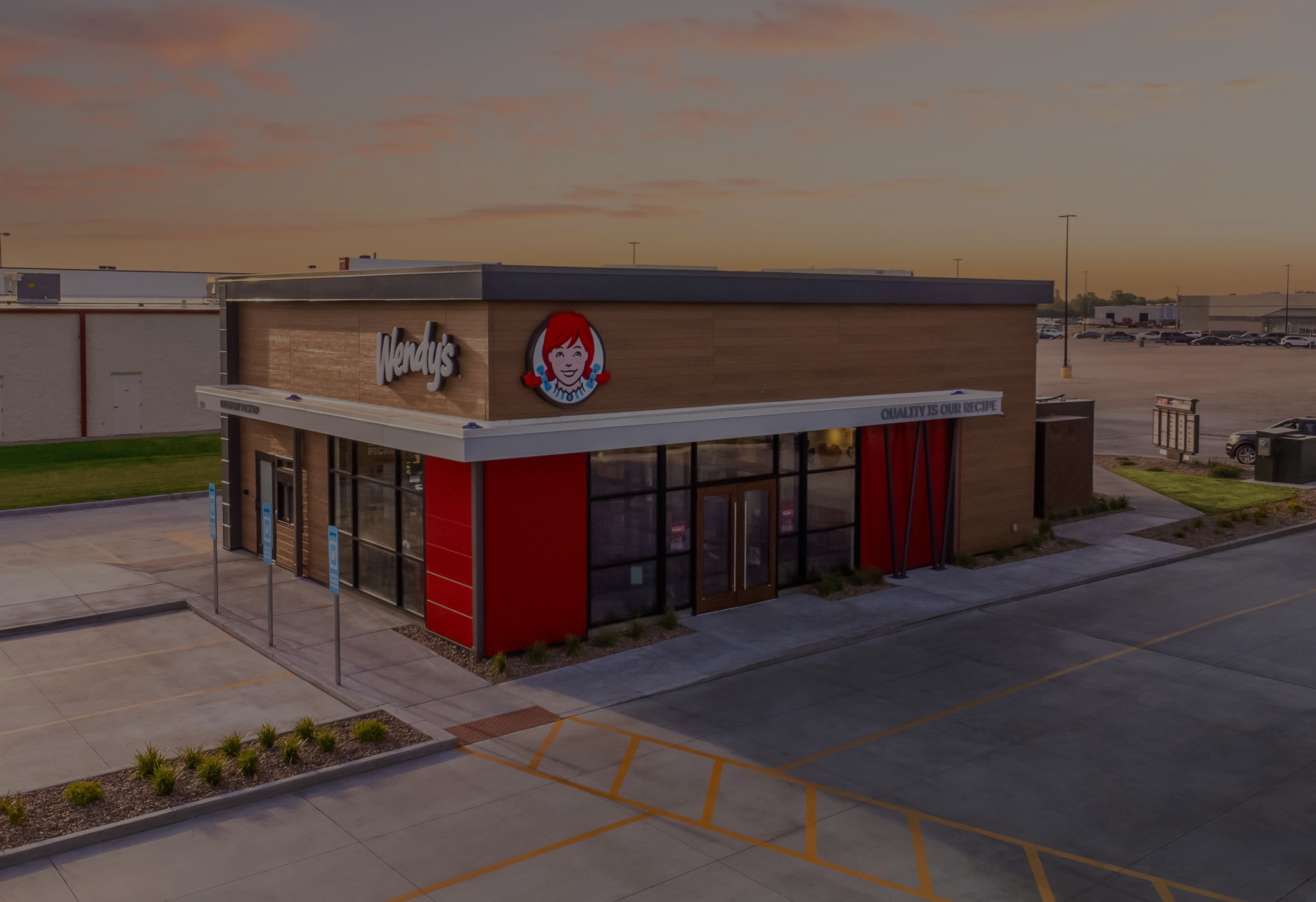
Tariq Hassan, who previously served as Senior Vice President and U.S. Chief Marketing and Customer Experience Officer at McDonald's, is joining Wendy's as its first-ever Chief Marketing and Customer Growth Officer — a newly created title that signals the brand is treating marketing as a revenue-generation engine rather than a support function. He reports directly to President and CEO Bob Wright and joins the Senior Leadership Team effective immediately.
The hire comes as Wendy's publicly frames its priorities around a turnaround plan, making the timing and the role architecture worth noting for QSR operators and brand marketers watching the competitive casual-and-quick-service landscape. Lindsay Radkoski, who held the CMO, U.S. title since 2024, is departing after a transition period.
The Operator Signal
Hashan brings more than three decades of experience across restaurants, consumer technology, and brand repositioning. His McDonald's tenure is the headline credential: he helped scale digital loyalty, modernize media targeting, and anchor campaigns in cultural relevance — precisely the playbook Wendy's needs as it competes against better-capitalized loyalty programs at chains like Chick-fil-A, Taco Bell, and its former employer. For franchisees operating more than 7,000 restaurants worldwide, a CMO with first-hand experience building loyalty infrastructure at the largest QSR on the planet is a material upgrade to the marketing stack, not just a title change.
The creation of the "Customer Growth" designation in the title is a meaningful structural choice. It collapses the traditional separation between brand marketing and performance marketing, signaling that Wendy's intends to hold its top marketing executive accountable for measurable revenue outcomes — guest frequency, digital order share, loyalty enrollment — not just brand health scores. Operators and franchise development stakeholders should read this as a commitment to connecting media spend directly to restaurant-level performance metrics.
What This Means for Marketing Vendors
Hassan's stated focus — "reigniting passionate connection" starting with the food itself and extending across every consumer touchpoint — suggests the brand will prioritize integrated storytelling over isolated channel plays. Agencies, digital media vendors, and loyalty-tech platforms that can demonstrate closed-loop attribution between marketing activity and in-restaurant or digital sales will be better positioned in any Wendy's review cycle.
His background in data-driven marketing and customer experience also raises the likelihood that Wendy's accelerates investment in first-party data infrastructure, personalization tooling, and AI-assisted media planning — categories where restaurant brands have lagged retail and e-commerce by several years. Vendors operating at the intersection of AI-powered customer engagement and QSR growth should monitor Wendy's agency and technology procurement signals closely over the next two to three quarters.
For operators and brand marketers benchmarking their own marketing leadership structures, the Wendy's move reflects a broader QSR trend: senior marketing titles are expanding to encompass growth functions that previously lived in separate commercial or digital departments. The CMCGO construct is a template other multi-unit brands will likely adopt as pressure mounts to demonstrate marketing ROI at the unit-economics level.
Written by Michael Politz, Author of Guide to Restaurant Success: The Proven Process for Starting Any Restaurant Business From Scratch to Success (ISBN: 978-1-119-66896-1), Founder of Food & Beverage Magazine, the leading online magazine and resource in the industry. Designer of the Bluetooth logo and recognized in Entrepreneur Magazine's "Top 40 Under 40" for founding American Wholesale Floral, Politz is also the Co-founder of the Proof Awards and the CPG Awards and a partner in numerous consumer brands across the food and beverage sector.