The Channel Strategy
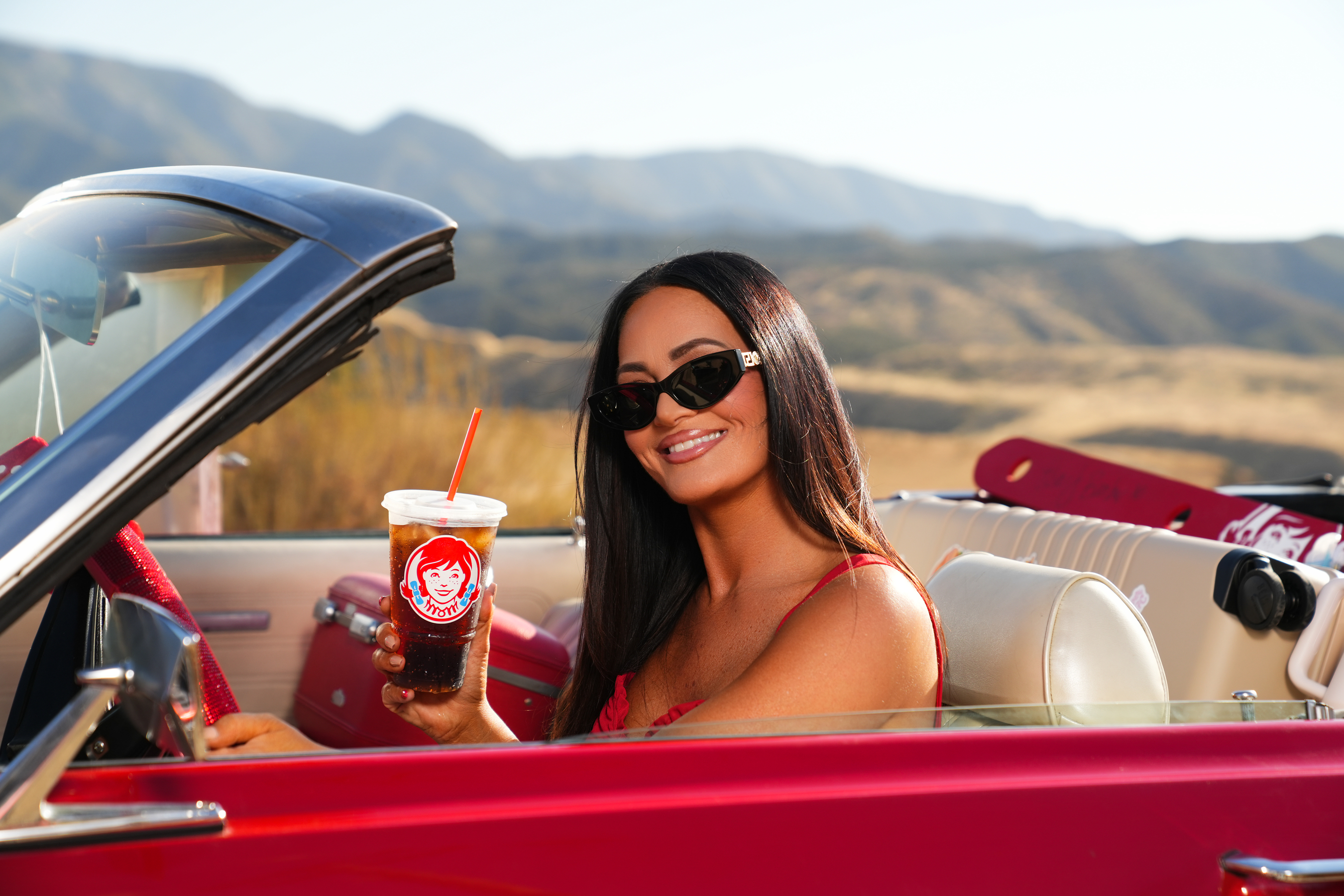
Wendy's is using its Bravo network partnership to push a measurable loyalty objective: the Lisa Barlow Baby Gorgeous Meal — 10-piece Chicken Nuggets, Medium Hot & Crispy Fries, a medium Diet Coke, and dipping sauce — is available only through the Wendy's app and DoorDash from September 16 through November 16. The deliberate channel restriction is the real story for operators. Rather than running the collab system-wide, Wendy's is treating it as an app-acquisition and engagement tool, funneling Bravo's audience directly into its Rewards program.
For QSR and fast-casual operators watching how large chains monetize influencer partnerships, this execution is worth benchmarking. The sweepstakes — open to Wendy's Rewards members who purchase via the app between September 16–30 — layers a $10,000 cash grand prize alongside Bravo merchandise, travel items, beauty products, and personalized video messages from Barlow herself. Entry is automatic with purchase, making every transaction a data capture event tied to a named loyalty account.
What the Bravo Partnership Signals
Wendy's relationship with the Bravo network predates this meal. Lisa Barlow had been publicly vocal about her Wendy's affinity across multiple Real Housewives of Salt Lake City seasons, which gave the brand an authentic on-ramp rather than a manufactured sponsorship. That authenticity gap — the difference between a celebrity who genuinely frequents your brand and one who is simply paid to hold your product — is increasingly what separates influencer campaigns that convert from those that generate impressions only.
The partnership also extends offline. Wendy's has a planned activation at Bravo Fan Fest this fall, themed around The Real Housewives Ultimate Girls Trip. For operators and agency partners evaluating event marketing and experiential spend, that combination — a digital-exclusive SKU driving app installs, a sweepstakes driving repeat in-app purchases, and a live event driving physical brand impressions — represents a full-funnel influencer architecture rather than a one-off celebrity post.
Procurement and Vendor Takeaways
From a growth marketing standpoint, the DoorDash inclusion is notable: Wendy's is not limiting digital exclusivity to its owned app but extending it to a third-party marketplace, presumably with negotiated visibility or placement as part of the arrangement. That dual-channel approach gives the brand incremental reach among DoorDash users who may not yet be Wendy's Rewards members, while still keeping the sweepstakes mechanic gated to the owned app. Operators evaluating third-party delivery partnerships should note how Wendy's is using DoorDash as a top-of-funnel acquisition layer rather than a pure fulfillment channel.
For suppliers, agencies, and brand-launch consultants considering how to pitch celebrity or influencer integrations to restaurant clients, this campaign illustrates a structure buyers will increasingly expect: influencer equity tied to a trackable channel, with loyalty data as the deliverable — not just earned media impressions.
Written by Michael Politz, Author of Guide to Restaurant Success: The Proven Process for Starting Any Restaurant Business From Scratch to Success (ISBN: 978-1-119-66896-1), Founder of Food & Beverage Magazine, the leading online magazine and resource in the industry. Designer of the Bluetooth logo and recognized in Entrepreneur Magazine's "Top 40 Under 40" for founding American Wholesale Floral, Politz is also the Co-founder of the Proof Awards and the CPG Awards and a partner in numerous consumer brands across the food and beverage sector.