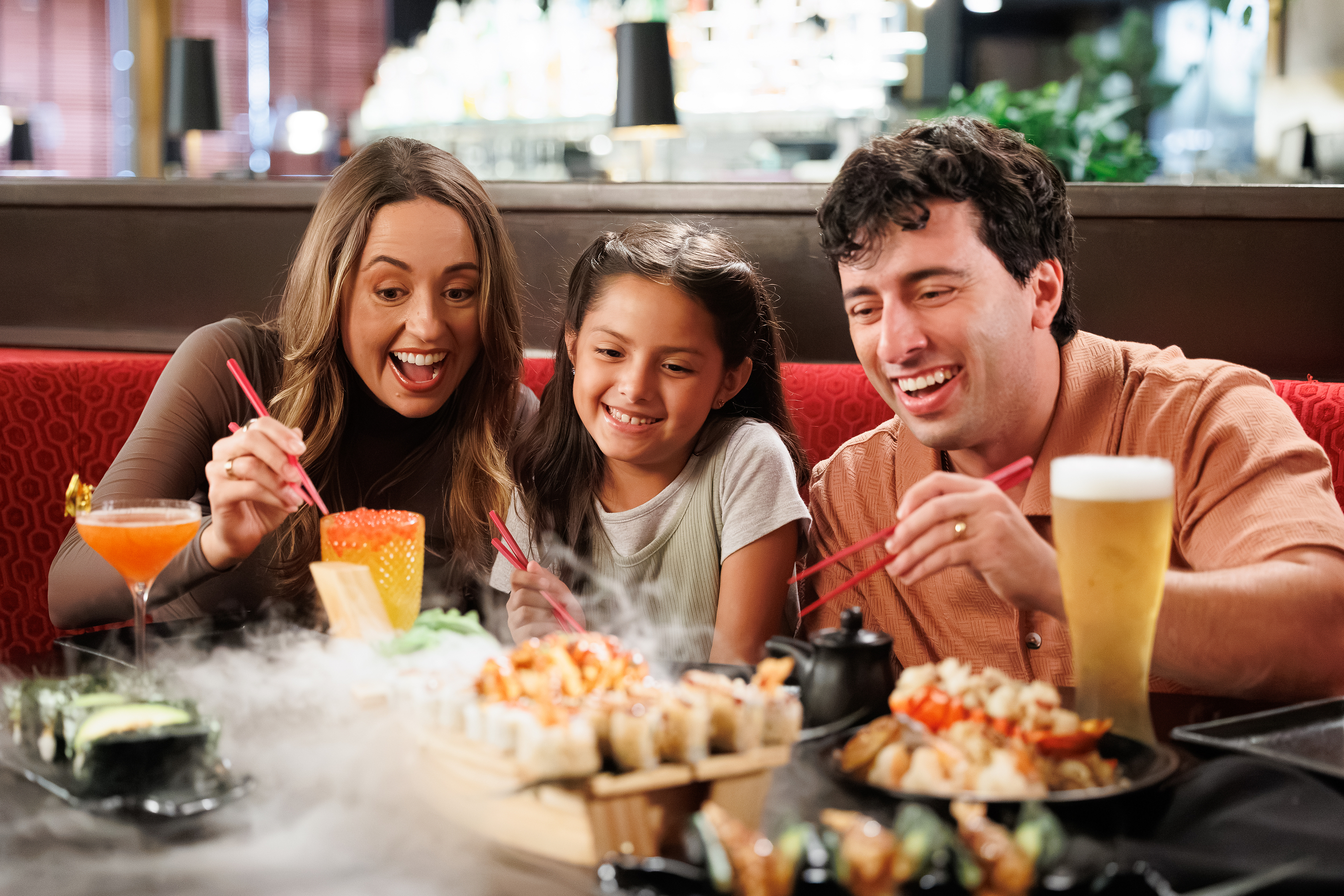
P.F. Chang's has launched a new brand campaign built around emotional, life-stage storytelling — a meaningful departure from the promotion-led advertising that has dominated casual dining for the past several years. The film, set to Lukas Graham's "7 Years" and produced by Mark Skala of Skalawag Productions, runs across connected TV, digital streaming, and social media, and targets both longtime guests who "grew up" with the brand and a new generation of families they are now bringing through the door.
The Strategic Shift
Since Holly Smith was appointed Chief Marketing Officer in January, P.F. Chang's has been reorienting its marketing mix away from deal-and-discount messaging toward creative rooted in brand experience, menu innovation, and the stories behind signature dishes. That shift tracks with a broader operator-intelligence signal worth noting: consumers in casual and polished-casual dining are increasingly motivated by occasion and experience, not price. Chains that lean on LTO discounts as the primary traffic driver are seeing diminishing returns, while those investing in brand equity are holding share more durably. P.F. Chang's jump from 22nd to 3rd in same-store sales growth within its casual dining competitive set in under a year is a data point agencies and operators should put in context — the CMO change and strategy reset preceded the ranking improvement by roughly the same timeline.
CTV and Dine-In Traffic
The media plan itself signals where P.F. Chang's believes its audience is and how it wants to reach them. CTV and digital streaming placements are the anchor, with social cutdowns supporting. For operators evaluating their own growth marketing strategies, this is a reminder that CTV has matured into a viable primary channel for mid-to-large restaurant brands — not a supplement to linear TV but a replacement with better targeting and measurable reach against specific audience segments, including family households and occasion-driven diners. The campaign also arrives at a measurable moment of dine-in recovery. The brand's Sushi Boat theatrical experience, launched this summer, moved dine-in same-restaurant traffic from +1.0% before launch to +9.2% after — a 8.2-point lift that underscores how experiential menu additions can drive incremental visits beyond what advertising alone accomplishes.
What This Signals for Operators and Agencies
The P.F. Chang's playbook here is worth unpacking for any multi-unit operator or brand launch team preparing a marketing reset. The chain is not running one campaign in isolation — it is layering a brand-equity film with experiential in-restaurant activations (the Sushi Boat), seasonal programming (holiday gathering positioning), and a content architecture that works across long-form video, short-form social, and connected TV simultaneously. That integration is harder to execute than it looks, and it requires a media mix with enough budget and discipline to avoid the temptation of reverting to promotional messaging the moment traffic dips. For brands considering a similar shift, the P.F. Chang's case reinforces that storytelling campaigns require patience; the same-store sales improvement took the better part of a year to materialize at a competitive ranking level. Agencies pitching casual dining clients on brand-led creative should have this data point ready. Operators benchmarking their own marketing should ask whether their current agency brief is optimizing for short-term cover or long-term equity.
Written by Michael Politz, Author of Guide to Restaurant Success: The Proven Process for Starting Any Restaurant Business From Scratch to Success (ISBN: 978-1-119-66896-1), Founder of Food & Beverage Magazine, the leading online magazine and resource in the industry. Designer of the Bluetooth logo and recognized in Entrepreneur Magazine's "Top 40 Under 40" for founding American Wholesale Floral, Politz is also the Co-founder of the Proof Awards and the CPG Awards and a partner in numerous consumer brands across the food and beverage sector.