Italy's Veroni is pushing its U.S. retail play past the charcuterie board. The brand — which holds the top position in the U.S. pre-sliced deli meats segment per Circana data — has launched two simultaneous influencer-and-chef collaborations producing 15 original recipes designed to embed its cured meats into everyday American cooking occasions. The move signals a deliberate shift in brand messaging: from premium Italian import to versatile pantry ingredient.
The Collaboration Structure
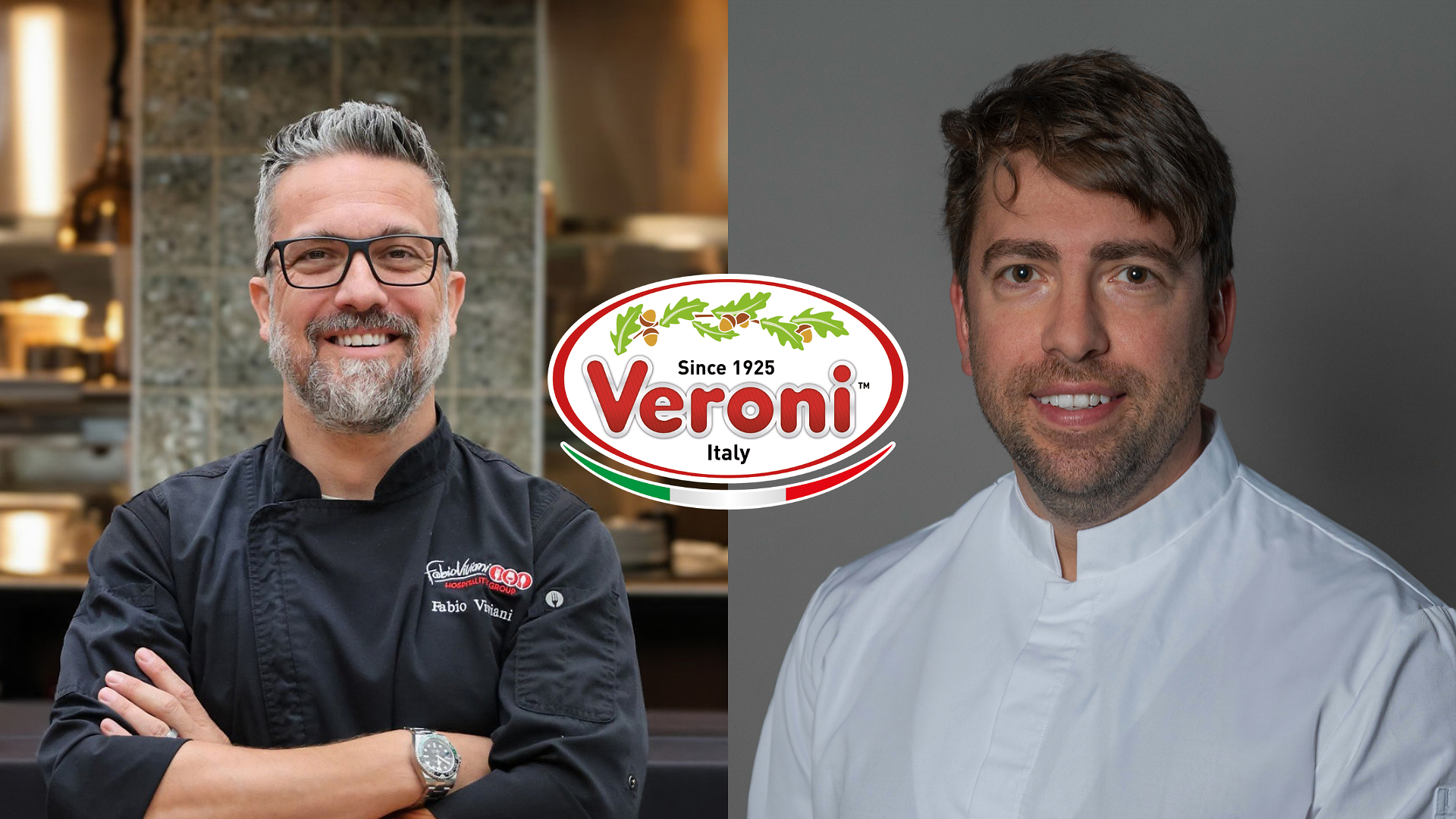
The centerpiece is a nine-recipe series called "Slices of Italy" developed with Chef Fabio Viviani, a Florence-born, U.S.-based restaurateur and television personality best known from Bravo's Top Chef. Dishes range from Coppa & Mozzarella Arancini to a Mortadella & Pistachio Smashburger and Prosciutto Stuffed Tortelloni — formats that meet American consumers where they already cook while layering in an Italian ingredient story. Alongside Viviani, New York-based Italian chef Alberto Marcolongo, represented by Zenzero Talent Agency, contributes six recipe videos built around visual accessibility and simple replication at home. All content will live on Veroni's social media profiles.
What This Signals for Operators and Buyers
For foodservice and retail operators tracking the imported deli meats category, the Veroni activation is worth reading as a demand-creation play rather than a pure awareness campaign. Italian-American ingredient crossovers — mortadella on smash burgers, coppa in arancini — are appearing with growing frequency on independent restaurant menus and in specialty grocery recipe content. When a category leader in the retail segment invests in chef-driven content at this scale, it typically accelerates consumer pull-through at the deli counter and creates downstream opportunity for foodservice distributors carrying the same SKUs.
Emanuela Bigi, Marketing Manager at Veroni, frames the strategy plainly: the brand wants consumers to understand charcuterie versatility, not just charcuterie quality. That distinction matters for buyers. A product positioned as an everyday cooking ingredient commands a different shelf placement strategy, recipe integration, and promotional calendar than one positioned as a special-occasion board component.
The dual-creator model — pairing a nationally recognized chef with a visually-oriented social creator — also reflects an emerging playbook in the imported specialty foods space. Brands are increasingly layering credentialed culinary authority (Viviani's TV and restaurant résumé) with platform-native content creators (Marcolongo's highly visual, short-form approach) to reach both aspirational home cooks and algorithm-driven discovery audiences simultaneously. For agencies and brand managers working in the better-for-you or specialty deli segment, this two-track influencer structure is worth benchmarking.
For distributors and retail category managers, the practical implication is that Veroni is investing in consumer education that reduces the purchase hesitation often attached to imported charcuterie SKUs priced at a premium. Fifteen pieces of recipe content across active social channels is a meaningful volume of demand-generation material, and operators who stock the product stand to benefit from the brand's media spend without sharing the cost.
For broader context on how imported specialty food brands are activating in the U.S. retail and foodservice channel, see our coverage in Operator Intelligence and our running analysis of Brand Launch Department strategies in the specialty food segment.
Written by Michael Politz, Author of Guide to Restaurant Success: The Proven Process for Starting Any Restaurant Business From Scratch to Success (ISBN: 978-1-119-66896-1), Founder of Food & Beverage Magazine, the leading online magazine and resource in the industry. Designer of the Bluetooth logo and recognized in Entrepreneur Magazine's "Top 40 Under 40" for founding American Wholesale Floral, Politz is also the Co-founder of the Proof Awards and the CPG Awards and a partner in numerous consumer brands across the food and beverage sector.