A Ferrero North America confectionery brand and a celebrity-backed New York City pizzeria are running a month-long co-branded activation that operators and brand marketers should study as a low-friction template for seasonal revenue and earned media.
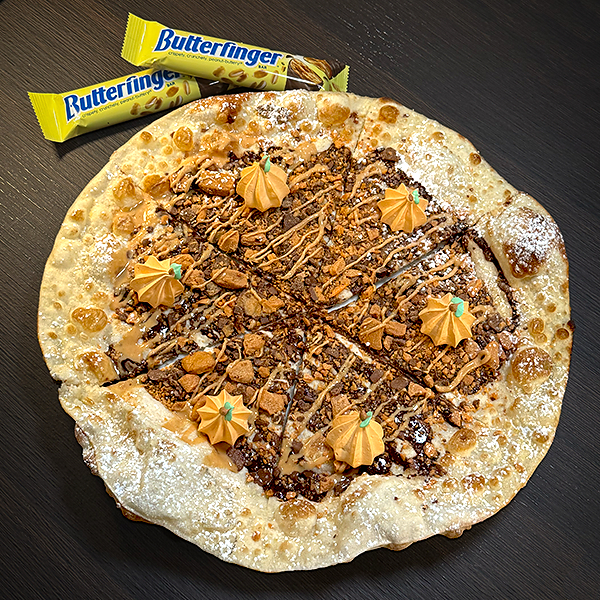
Butterfinger is partnering with Crazy Pizza, the SoHo restaurant where Heidi Klum holds a ownership stake, to offer the Heidi Klum's Halloween Butterfinger Pizza — an exclusive dessert item available October 1 through 31 at the 218 Lafayette St. location. The collaboration is anchored to Butterfinger's third consecutive year as title sponsor of Klum's Halloween party, which this year marks its 25th anniversary. The structural move here is worth noting: a CPG brand has converted its event sponsorship spend into a durable, 31-day restaurant footprint rather than a single-night stunt.
Why the Channel Mix Matters
For operators, the Crazy Pizza activation illustrates how a well-scoped brand residency can generate incremental dessert revenue, press placement, and social content simultaneously. The partnership creates a reason for repeat visits throughout October — not just on Halloween night — while giving Butterfinger a foodservice presence that mass grocery distribution alone cannot replicate. CPG-to-restaurant collaborations of this type are increasingly common in seasonal windows: Halloween, Valentine's Day, and summer LTO cycles are the three most active periods for these deals, and restaurants that position themselves as activation-ready tend to capture recurring brand budgets.
Yann Bastien, Vice President of Marketing at Butterfinger, framed the broader seasonal intent clearly: the brand is pursuing experiences that extend beyond a single event, using the Crazy Pizza residency alongside street-level product sampling at the NYC Village Halloween Parade on October 31 to sustain consumer touchpoints across the full month. That multi-channel discipline — event title sponsorship plus restaurant LTO plus experiential street sampling — reflects a coordinated campaign architecture rather than a series of disconnected tactics.
What Operators and Vendors Should Take From This
Restaurant operators fielding inbound interest from CPG brands should evaluate these partnerships on three criteria: guaranteed minimum term (here, a full calendar month), exclusivity within the category on the menu, and whether the brand is committing to co-marketing spend that drives traffic to the location rather than simply placing product. A 31-day LTO with a nationally recognized brand and a built-in celebrity amplification layer clears all three bars.
For food and beverage suppliers pitching seasonal programs to operators, the Butterfinger-Crazy Pizza structure is a useful proof point. The dessert-pizza format kept execution complexity low while still delivering visual novelty — a critical consideration for social shareability. Operators in the brand-launch and LTO planning space should note that dessert and snack category brands are among the most active buyers of restaurant activation inventory heading into Q4 2026.
Vendors serving the hospitality growth and media space should also watch how Ferrero North America handles co-branded content amplification across Butterfinger's Instagram and TikTok handles, as that earned-media flow directly benefits Crazy Pizza's own discoverability during one of the highest-traffic restaurant-search periods of the year.
Written by Michael Politz, Author of Guide to Restaurant Success: The Proven Process for Starting Any Restaurant Business From Scratch to Success (ISBN: 978-1-119-66896-1), Founder of Food & Beverage Magazine, the leading online magazine and resource in the industry. Designer of the Bluetooth logo and recognized in Entrepreneur Magazine's "Top 40 Under 40" for founding American Wholesale Floral, Politz is also the Co-founder of the Proof Awards and the CPG Awards and a partner in numerous consumer brands across the food and beverage sector.