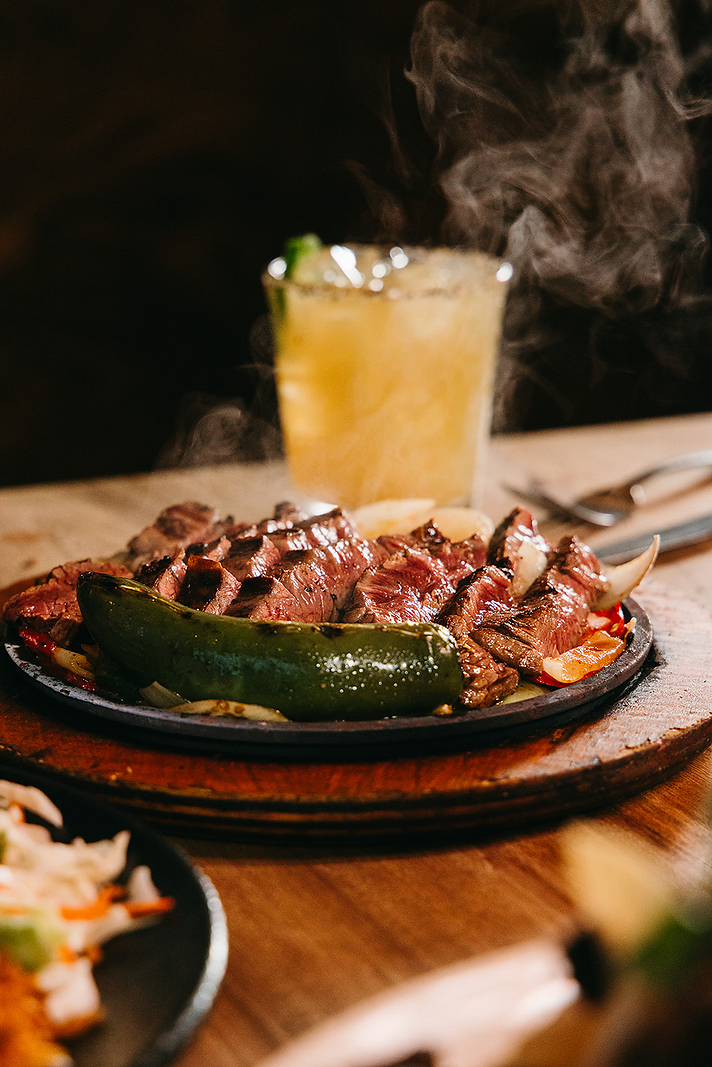
Uncle Julio's Mexican from Scratch is turning its 40th anniversary into a live traffic experiment — offering 1986 fajita prices starting at $8.14 across all 31 locations for a single day on November 17, from 11 a.m. to 9 p.m. The move is a textbook nostalgia-pricing activation, the kind of limited-time offer that drives measurable same-day traffic spikes and social amplification without touching the core menu or long-term margin structure.
For operators watching how full-service casual chains generate earned media on a constrained budget, the mechanics here are worth dissecting. The promotion bundles three distinct offer types: a price-rollback on a signature item, a new menu introduction (the Ruby Margarita, a hibiscus-cinnamon build using 1800 Tequila and Grand Marnier), and a physical scarcity giveaway — commemorative T-shirts for the first 40 guests per location ordering from the anniversary menu. Each element targets a different guest motivation: value-seekers, curious regulars, and competitive loyalists.
The Promotion Architecture
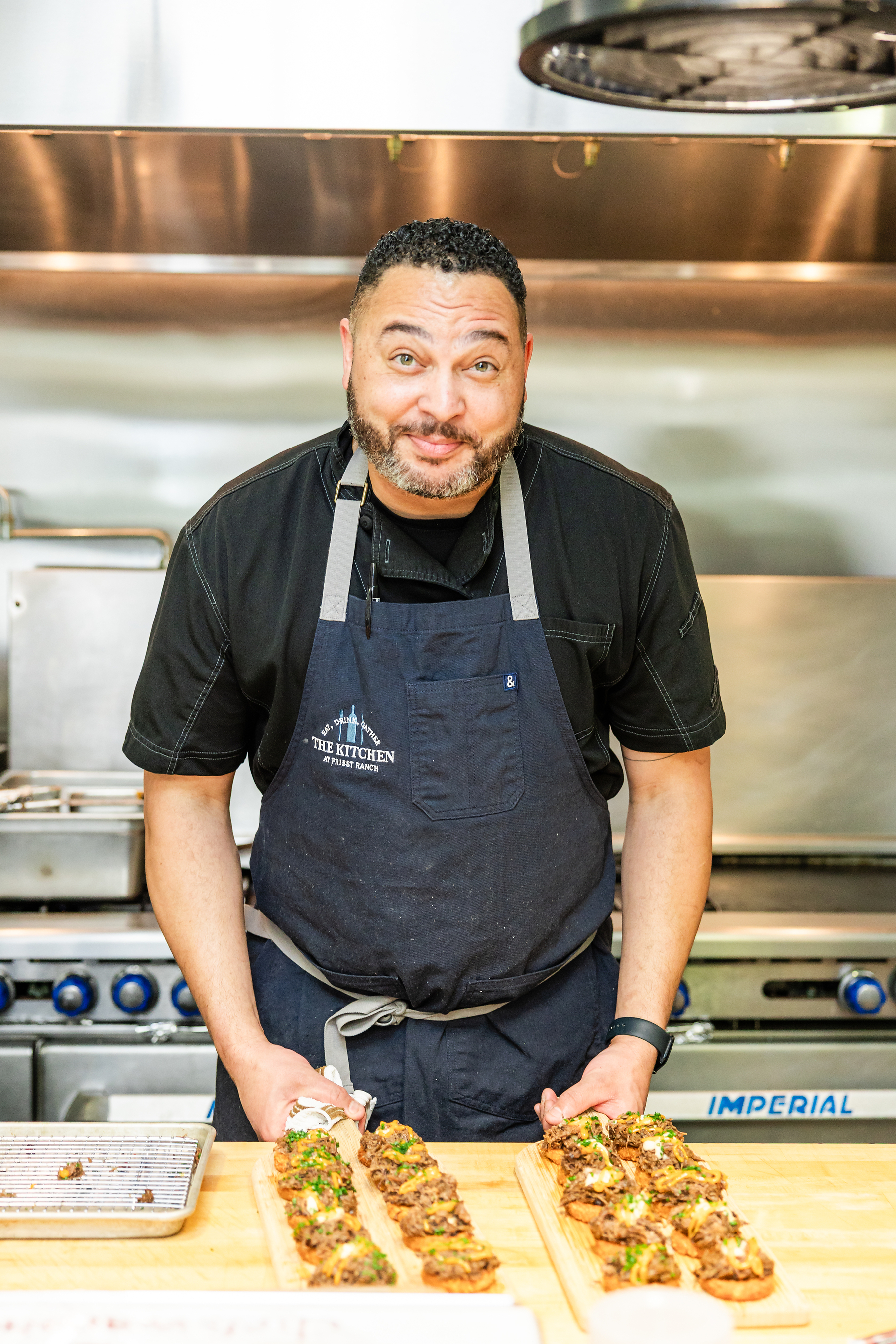
The one-day constraint is intentional and operationally smart. By capping the rollback to a single Tuesday, Uncle Julio's avoids margin erosion while maximizing urgency. The $8.14 price point is itself a marketing device — specific enough to signal authenticity, low enough to drive trial among lapsed guests. Rafael Romero, who carries the title of Culinary Artisan and has been with the brand for 35 years, framed the promotion around ingredient integrity and community longevity rather than discount culture, which helps protect brand equity even as prices drop for a day.
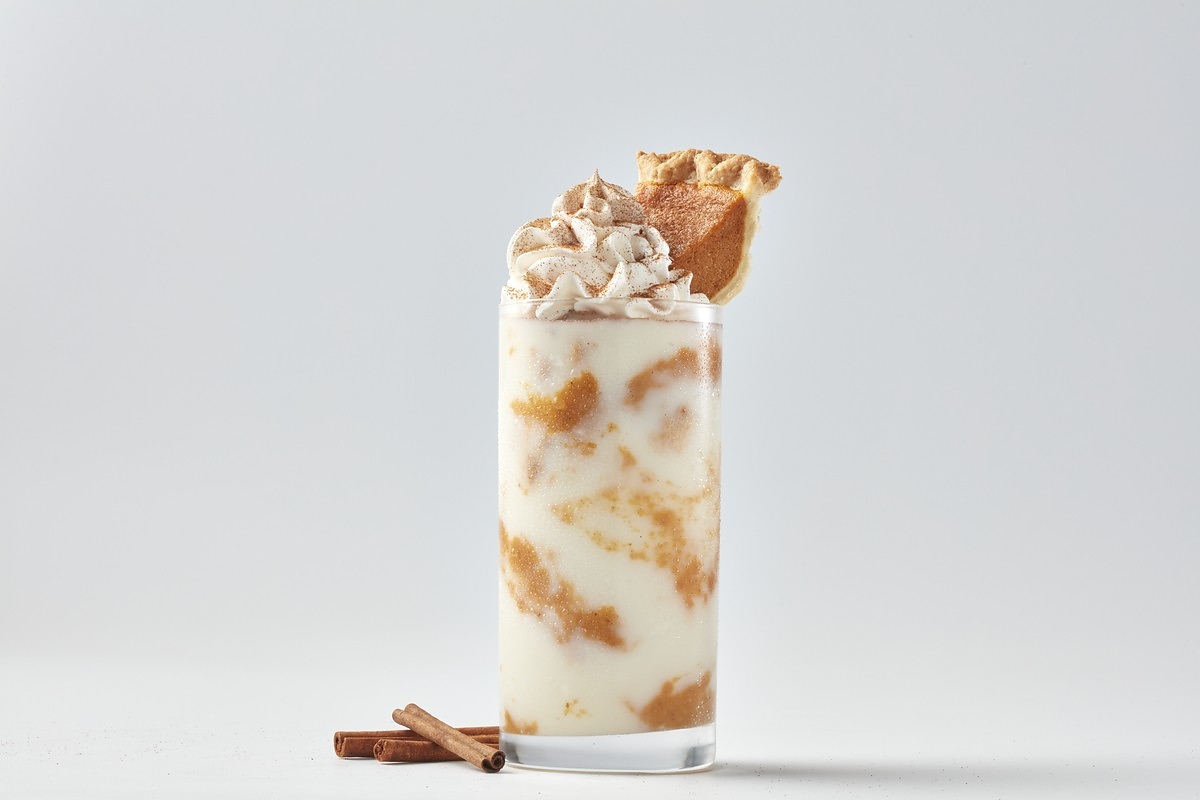
The Ruby Margarita launch embedded inside an anniversary event is also a deliberate brand-launch tactic. Introducing a new beverage during peak promotional attention means it gets organic social exposure it would not earn as a quiet menu addition. Hibiscus and cinnamon are both on-trend flavor profiles in the premium margarita category right now, and the Fee Foam finish signals a craft-bar sensibility that appeals to the on-premise cocktail guest willing to trade up on the next visit.
What Operators Should Watch
For multi-unit casual dining operators and their agency partners, this activation illustrates how anniversary milestones can function as full-funnel growth events rather than internal celebrations. The giveaway creates a first-mover incentive that fills dining rooms early in the shift. The price anchor generates press pickup and social sharing. And the new menu item seeds future repeat visits.
Distribution matters too: Uncle Julio's now operates 31 restaurants across 11 states, a footprint large enough to run a coordinated system-wide push but concentrated enough to execute with consistent quality. Chains in a similar scale range — roughly 20 to 50 locations — are increasingly using anniversary activations as a cost-efficient alternative to paid media campaigns, particularly as programmatic costs in the casual dining and restaurant growth marketing space continue to climb.
Brands in the brand launch and limited-time offer planning cycle should note the lead time here: a November 17 event announced November 10 gives guests one week of anticipation — short enough to maintain urgency, long enough for local press and food influencers to pick up the story organically. That window is tighter than most chains allow, suggesting Uncle Julio's is relying on its existing loyalty base and earned media rather than paid amplification to drive awareness.
Visit unclejulios.com for location details and the full anniversary menu.
Written by Michael Politz, Author of Guide to Restaurant Success: The Proven Process for Starting Any Restaurant Business From Scratch to Success (ISBN: 978-1-119-66896-1), Founder of Food & Beverage Magazine, the leading online magazine and resource in the industry. Designer of the Bluetooth logo and recognized in Entrepreneur Magazine's "Top 40 Under 40" for founding American Wholesale Floral, Politz is also the Co-founder of the Proof Awards and the CPG Awards and a partner in numerous consumer brands across the food and beverage sector.