Guest-demand data pushed Freddy's Frozen Custard & Steakburgers to reverse a lineup decision mid-season — a signal worth watching for any fast-casual operator managing seasonal menu rotations. The Pumpkin Pie Concrete, initially excluded from the brand's fall 2026 schedule, returned November 12 at participating locations nationwide after what the brand describes as an overwhelming volume of guest requests. The move is less a marketing stunt and more a real-time example of how guest feedback, when it reaches critical mass, can function as a procurement and menu-planning signal.
The LTO Mechanics
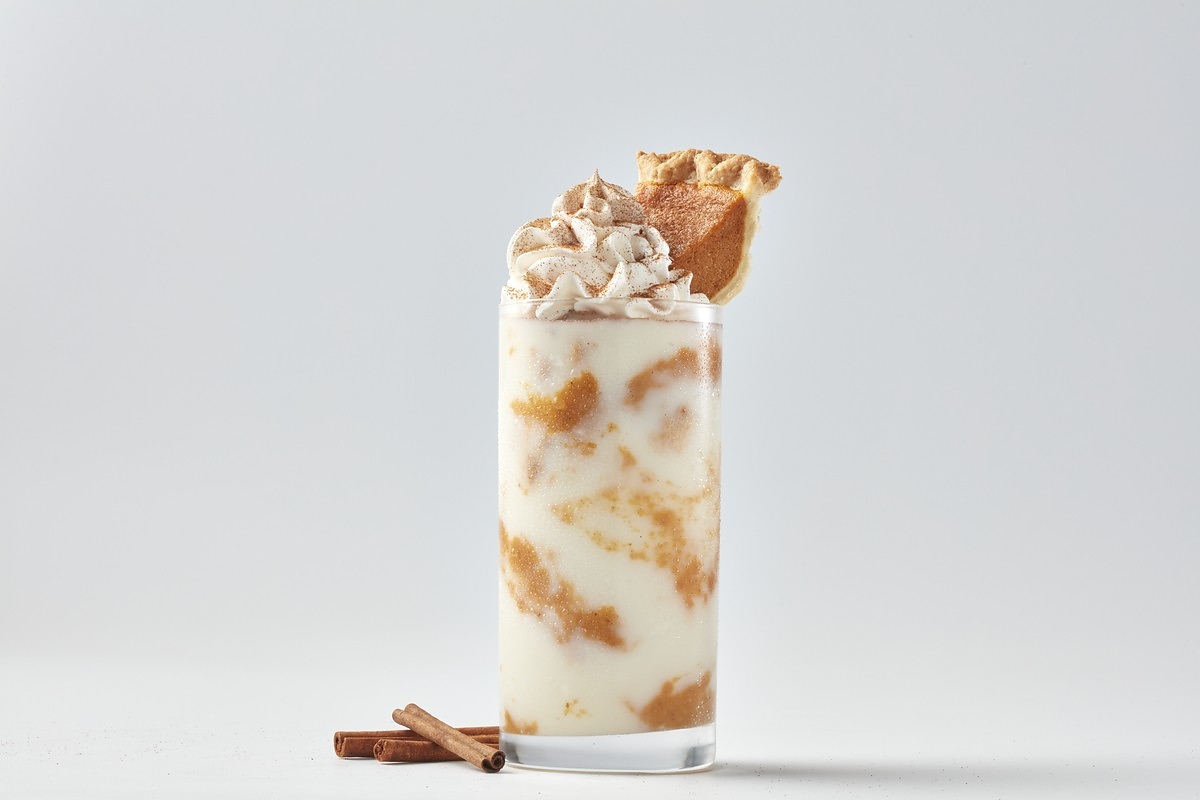
The product itself is straightforward: vanilla frozen custard blended with a whole slice of pumpkin pie — crust included — finished with whipped cream and cinnamon. What operators should note is the deliberate scarcity architecture. Rick Petralia, Executive Chef & VP of Training & Innovation, made supply limits explicit in public communications, framing availability as "extremely limited quantities" and encouraging guests to act quickly. That language is intentional. Scarcity framing compresses the purchase window, reduces the need for paid media to sustain a campaign, and generates earned attention — particularly effective for a dessert category where impulse drives conversion.
What This Signals for Operators
For a 600-plus-unit fast-casual franchise, cutting and then reinstating an LTO mid-season requires supply chain coordination across multiple distribution partners. The fact that Freddy's executed this indicates either strong supplier relationships or pre-positioned inventory — both worth benchmarking if your operation runs seasonal specials through a franchise or multi-unit model. It also points to a maturing guest-intelligence loop: the brand is listening to request volume as a leading indicator before finalizing seasonal commitments, rather than treating the fall menu as fixed.
From a channel perspective, the return is accessible via drive-thru, in-restaurant dining, and the Freddy's mobile app — a structure that captures both impulse and pre-planned visits. Mobile ordering integration matters here because it creates a data layer: operators who route LTO redemptions through an app can track attachment rates, daypart performance, and repeat purchase behavior in ways that a drive-thru-only offer cannot. That behavioral data, in turn, informs the next season's lineup decisions — closing the loop on the kind of demand-response cycle Freddy's appears to be running.
For operators building or refining their own LTO calendars, the broader lesson is about flexibility infrastructure. A menu that cannot absorb a mid-season reinstatement — because of rigid supplier contracts, limited freezer capacity, or insufficient crew training bandwidth — leaves guest demand on the table. Freddy's move suggests the brand has built enough operational slack to respond when the data says move.
Fast-casual operators tracking seasonal menu strategy and LTO performance should also consider how scarcity language performs differently across digital channels. A geo-fenced push notification carrying "limited quantities" language typically outperforms a standard promotional message — something growth-focused operators using mobile and programmatic channels are increasingly testing against baseline LTO benchmarks.
Written by Michael Politz, Author of Guide to Restaurant Success: The Proven Process for Starting Any Restaurant Business From Scratch to Success (ISBN: 978-1-119-66896-1), Founder of Food & Beverage Magazine, the leading online magazine and resource in the industry. Designer of the Bluetooth logo and recognized in Entrepreneur Magazine's "Top 40 Under 40" for founding American Wholesale Floral, Politz is also the Co-founder of the Proof Awards and the CPG Awards and a partner in numerous consumer brands across the food and beverage sector.
Frequently Asked Questions
Why did Freddy's bring back the Pumpkin Pie Concrete after cutting it from the fall 2026 menu?
Guest-demand data hit critical mass — Freddy's received overwhelming request volume that justified mid-season supply chain coordination across 600-plus units. The reinstatement on November 12 proves that when procurement signals align with guest feedback, fast-casual operators should act fast.
What's actually in Freddy's Pumpkin Pie Concrete?
Vanilla frozen custard blended with an entire slice of pumpkin pie (crust included), topped with whipped cream and cinnamon. It's a straightforward impulse-buy dessert engineered for conversion, not complexity.
How does Freddy's scarcity messaging affect the LTO mechanics?
Rick Petralia, Executive Chef & VP of Training & Innovation, explicitly framed availability as 'extremely limited quantities' to compress the purchase window and reduce reliance on paid media. Scarcity language drives earned attention and impulse buys in the dessert category — critical for LTO ROI.
What supply chain capability does this move require?
Mid-season menu reversals demand either pre-positioned inventory or ironclad supplier relationships across multiple distribution partners. If you're running seasonal specials across multi-unit or franchise operations, Freddy's execution is a benchmarking target for supplier coordination.
What's the operational takeaway for other fast-casual chains?
Build a real-time guest-intelligence loop into your seasonal planning — Freddy's proved that listening to request volume can override initial menu decisions. Your POS data and guest feedback channels should directly inform procurement 30-60 days before seasonal windows close.