The Move
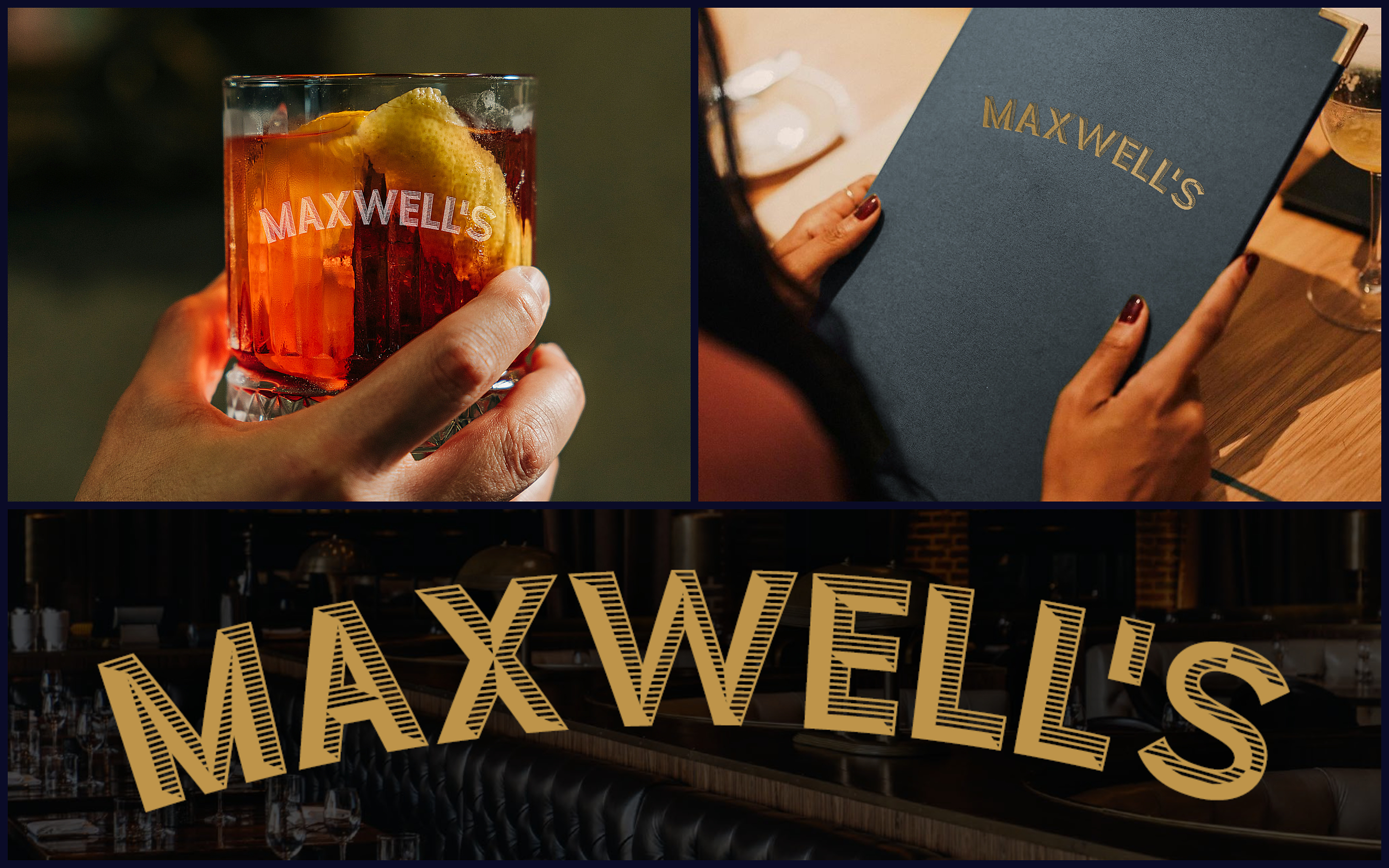
Topnotch Resort is replacing The Roost, its existing all-day restaurant, with Maxwell's — a new signature dining concept tied to the resort's broader renovation and expansion effort in Stowe, Vermont. The restaurant is named after Maxwell Cummings, the patriarch of the family that owned and shaped Topnotch over decades, and its debut is designed to anchor a property-wide capital program that also introduces 27 condominium residences and upgrades across 68 hotel rooms, the spa, pools, and lobby.
For hospitality operators watching how luxury independent resorts are repositioning, this is a textbook example of using F&B as the narrative anchor for a capital refresh. Rather than lead with room counts or real estate, Topnotch is centering the story on a dining concept — one that carries brand equity through a namesake legacy and signals culinary seriousness to both existing guests and new buyers considering the residential product.
What Operators Should Note
The design brief at Maxwell's — warm woods, brass detailing, wraparound bar, Green Mountain views — tracks closely with what high-end resort food-and-beverage programs are executing across New England and the Mountain West right now. The wraparound bar placement in particular reflects a hospitality design trend toward beverage-forward anchors that drive non-room revenue and extend guest dwell time. An evolving seasonal menu rooted in Vermont sourcing is a positioning choice that aligns with what AAA Four-Diamond guests increasingly expect, and what resort F&B directors are pitching to ownership to justify renovation spend.
General Manager Matthew Wheeler framed the concept as both tribute and trajectory: carrying the spirit of Maxwell Cummings forward while signaling where the property is headed. That dual framing — honoring legacy, projecting ambition — is becoming a standard playbook for independent luxury resorts competing against branded flags in drive-to leisure markets.
The Bigger Picture
The Maxwell's launch is one component of a phased transformation that includes Topnotch Residences, a limited collection of 27 turnkey one- to four-bedroom condominium homes furnished in partnership with RH. Resort-residential hybrids have accelerated across four-season mountain markets, and the F&B program is increasingly the differentiator that supports residential pricing and sales velocity. Buyers evaluating a $1 million-plus condominium at a ski resort are asking about the dining experience the same way urban condo buyers ask about the lobby amenity.
For suppliers, vendors, and F&B consultants, the Topnotch renovation signals procurement activity across multiple categories: kitchen equipment, local food sourcing relationships, beverage programming, restaurant design, and FF&E. Phased construction timelines — Topnotch will remain open throughout — also create a more extended vendor engagement window than a single hard opening.
Operators considering their own concept refreshes can track how Topnotch uses Maxwell's to build narrative momentum ahead of the full renovation completion. Positioning the F&B story early, before rooms and amenities are finished, is a media and brand strategy worth benchmarking. For more on how resort properties are deploying dining concepts to support broader brand launches, see our coverage in the Brand Launch Department and Operator Intelligence sections.
Written by Michael Politz, Author of Guide to Restaurant Success: The Proven Process for Starting Any Restaurant Business From Scratch to Success (ISBN: 978-1-119-66896-1), Founder of Food & Beverage Magazine, the leading online magazine and resource in the industry. Designer of the Bluetooth logo and recognized in Entrepreneur Magazine's "Top 40 Under 40" for founding American Wholesale Floral, Politz is also the Co-founder of the Proof Awards and the CPG Awards and a partner in numerous consumer brands across the food and beverage sector.