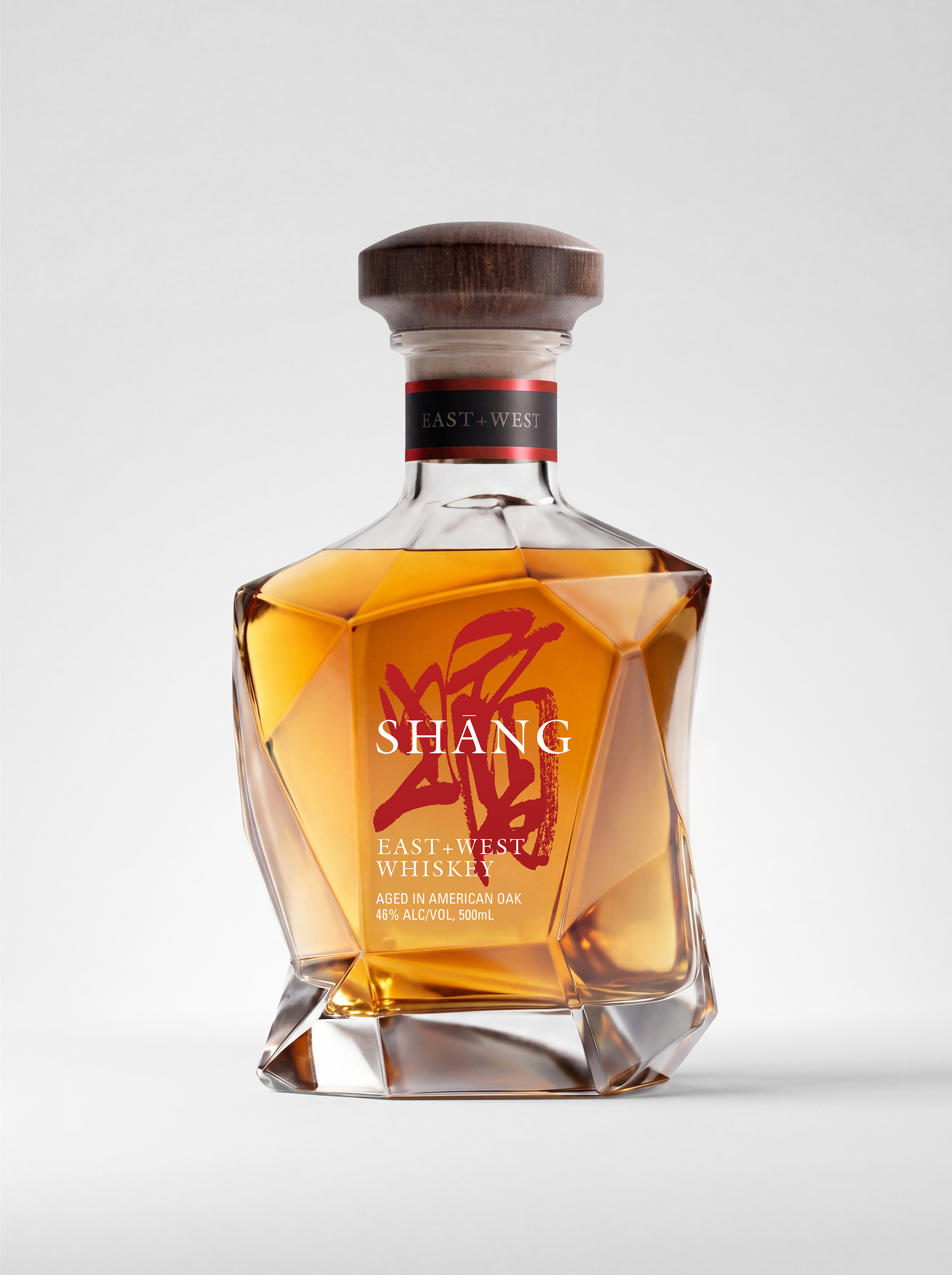
A new spirits brand called SHĀNG has launched from Elizabethtown, Kentucky, positioning itself at the intersection of Chinese baijiu tradition and American whiskey production. The collaboration is framed as a category-creation play rather than a line extension — the brand is not simply flavoring a bourbon or aging a baijiu domestically, but building a hybrid expression it claims draws on 5,000 years of fermentation heritage alongside modern Kentucky distilling craft. For on-premise buyers, retail category managers, and beverage directors building culturally differentiated back-bar programs, that positioning is worth watching closely.
Baijiu is the world's most-consumed spirit by volume, yet it remains dramatically underpenetrated in Western on-premise and retail channels. American whiskey, meanwhile, continues to command premium shelf placement and cocktail-menu real estate across every hospitality segment. The gap between those two realities is exactly where SHĀNG is planting its flag. Brands that have attempted East-West spirits crossovers before — typically through cocktail applications or limited imports — have struggled with consumer education costs and distributor hesitancy. SHĀNG's domestic production address in Kentucky lowers at least one of those barriers: it gives the brand a credible American origin story that distributor reps and retail buyers can lead with.
For operators and brand buyers, the intelligence signal here is less about SHĀNG specifically and more about what the launch confirms: the premiumization window for culturally hybrid spirits is opening. Beverage directors building globally influenced cocktail programs are increasingly sourcing spirits with a provenance story that travels across demographics. A baijiu-whiskey hybrid gives a menu developer something to talk about — origin, fermentation process, dual-culture craft — without requiring the guest to already be a baijiu convert. That storytelling leverage matters in a crowded back-bar environment where differentiation is the only defensible margin strategy.
From a brand-launch infrastructure standpoint, SHĀNG will face the standard gauntlet: distributor tier selection, retail buyer deck credibility, on-premise trial conversion, and a sampling and education spend that baijiu-adjacent products have historically underestimated. Kentucky production gives the brand geographic alignment with an established spirits media and trade ecosystem, which should help with press placement and trade-show access. Suppliers entering premium spirits retail in 2026 will find buyers more receptive to cross-cultural SKUs than at any prior point — but buyer receptivity does not automatically translate to reorder velocity without a coordinated education layer.
Operators considering SHĀNG for a menu or retail set should request sell sheets that quantify the flavor profile relative to both categories — not just the brand story — and ask distributor reps about sampling program availability before committing to placement. The hybrid category is real, the consumer curiosity is measurable, and a well-sourced back-bar addition can drive genuine trial. But the burden of consumer education still sits closer to the operator than any press release will acknowledge.
Written by Michael Politz, Author of Guide to Restaurant Success: The Proven Process for Starting Any Restaurant Business From Scratch to Success (ISBN: 978-1-119-66896-1), Founder of Food & Beverage Magazine, the leading online magazine and resource in the industry. Designer of the Bluetooth logo and recognized in Entrepreneur Magazine's "Top 40 Under 40" for founding American Wholesale Floral, Politz is also the Co-founder of the Proof Awards and the CPG Awards and a partner in numerous consumer brands across the food and beverage sector.