The Move
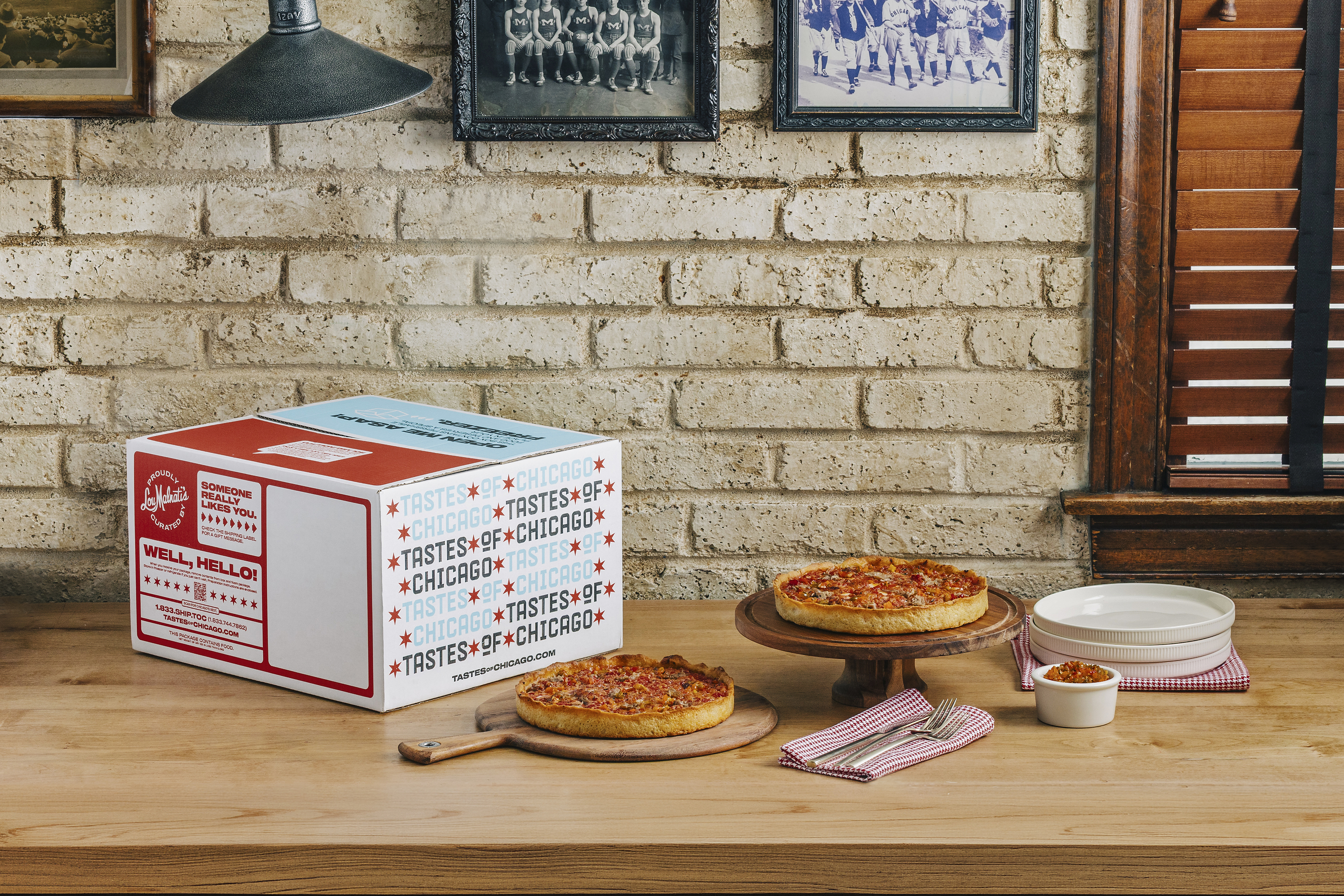
Lou Malnati's has converted a limited-time restaurant offering into a nationwide direct-to-consumer product, making its Italian Combo Beef-Za available through tastesofchicago.com after a successful in-location debut during Italian Beef Month in May. The pizza — built on the brand's signature Buttercrust with Italian beef, sausage, and giardiniera — was developed in collaboration with Food Network personality and Chicago-based chef Jeff Mauro, founder of Mauro Provisions. The window to order closes August 26.
The move is worth watching for operators and brand strategists beyond Chicago. What Lou Malnati's has executed here is a deliberate LTO validation loop: test a menu item in-store, measure guest response, then extend the revenue window by flipping the SKU to DTC shipping. The model is transferable. Any regional brand with a strong shipping infrastructure — or a co-packer and a Shopify storefront — can run a version of this.
Why the Collab Structure Matters
The Beef-Za isn't just a branded pizza; it's a co-branded product built on Mauro Provisions' own supply chain. The Italian beef is sourced from Certified Angus Beef and produced under the Mauro Provisions label, while the Honey G Pepper Relish — a proprietary condiment — ships alongside it as an add-on SKU. That means Lou Malnati's has effectively used a celebrity-chef collab to introduce a supplier partner's retail line to its own customer base, at national scale, without owning the manufacturing. For brand launch teams, this is a clean case study in co-distribution.
Marc Malnati, owner of Lou Malnati's, framed the nationwide rollout as a natural extension of the original in-store enthusiasm. Jeff Mauro, whose Emmy-nominated Food Network work has built him a substantial audience beyond Chicago, noted the collaboration keeps the core identity of the Italian combo sandwich intact while opening a new consumption occasion.
Operator Takeaways
For foodservice operators evaluating their own LTO and DTC strategies, the structural details here matter more than the pizza itself. The product ships flash-frozen, handmade, and ready to bake — a fulfillment model Lou Malnati's already runs at scale through Tastes of Chicago, its long-running national shipping platform. That infrastructure is the real asset. Without it, the collab stays local.
Regional chains and independent operators without existing DTC channels should note that building one in-house is no longer the only option. Third-party fulfillment platforms, ghost shipping partnerships, and co-packer networks have lowered the barrier to testing a ship-to-home SKU significantly. The Lou Malnati's example shows what's possible when a proven LTO meets a shipping-ready platform — and offers a replicable framework for operators considering their own seasonal or collaboration-driven revenue extensions.
For further context on how hospitality brands are building out DTC and retail adjacency, see our coverage of brand launch strategies for regional operators and food and beverage product distribution.
Written by Michael Politz, Author of Guide to Restaurant Success: The Proven Process for Starting Any Restaurant Business From Scratch to Success (ISBN: 978-1-119-66896-1), Founder of Food & Beverage Magazine, the leading online magazine and resource in the industry. Designer of the Bluetooth logo and recognized in Entrepreneur Magazine's "Top 40 Under 40" for founding American Wholesale Floral, Politz is also the Co-founder of the Proof Awards and the CPG Awards and a partner in numerous consumer brands across the food and beverage sector.