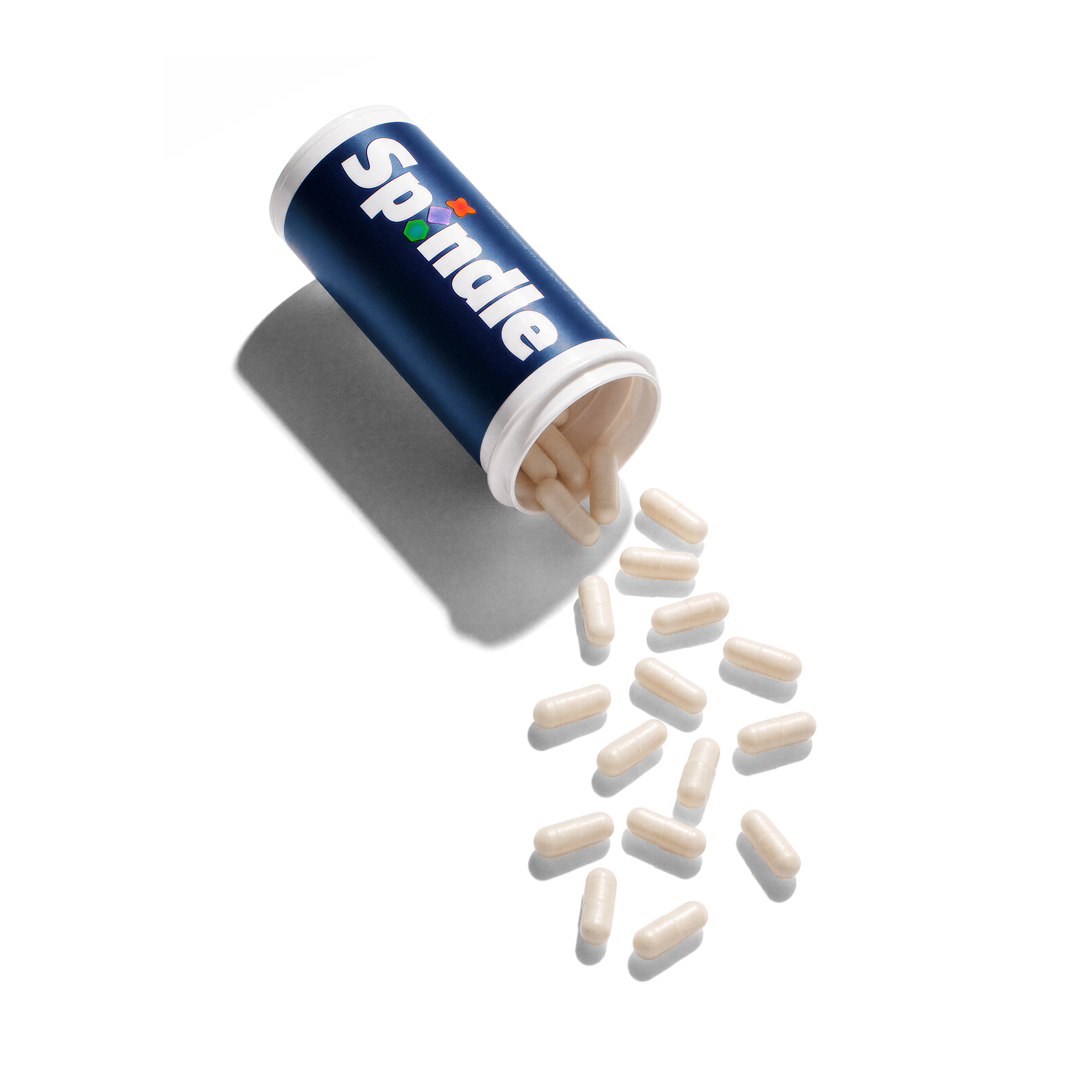
Samyang Roundsquare has launched Spindle, a standalone metabolic health brand, with its debut product Spindle Muscle+ — a postbiotic supplement built around Akkermansia MYO™, a heat-stabilized strain of Akkermansia muciniphila with clinical data on muscle strength outcomes in adults 60 and older. For buyers, brokers, and retail category managers watching the functional nutrition shelf, this is a credentialed new entrant with a parent company that has both the R&D infrastructure and global distribution leverage to scale quickly.
The Clinical Case
The gut-muscle connection is the organizing thesis here, and Samyang has the study data to defend it. A 12-week, randomized, double-blind, placebo-controlled trial in adults aged 60 to 80 showed Akkermansia MYO™ delivered a 10.4% increase in hamstring strength versus control, a 14.1% increase in muscle power, and a 37.8% reduction in myostatin — a biomarker that limits muscle growth when elevated. Prealbumin levels, a marker for muscle maintenance and repair, rose 5.6 percentage points versus control. Those are not typical supplement trial numbers, and category buyers evaluating new brand submissions will notice the methodology specificity.
Spindle also addresses a timely clinical gap: adults using GLP-1 medications face elevated lean muscle loss risk during weight change, and the supplement category has been slow to respond with purpose-formulated products. Positioning Spindle Muscle+ as GLP-1-compatible is a sharp commercial move — one that connects a functional ingredient story to a consumer conversation already dominating pharmacy, grocery health, and specialty retail.
What This Signals for Operators and Buyers
Samyang Roundsquare is Korea-based with global food and healthcare operations, and Spindle is its U.S. market entry into branded consumer health. That parent-company backing matters for buyers assessing shelf longevity: this is not an undercapitalized startup seeking distribution before the science catches up. The product is produced in a GMP-certified facility, carries an FDA-reviewed New Dietary Ingredient (NDI) designation, is gluten-free, non-GMO, and free from common allergens. Shelf-stable for up to two years without refrigeration reduces fulfillment complexity for both DTC and retail channels.
For brand launch and retail readiness teams, Spindle offers a preview of what science-led positioning looks like when it arrives with proper trial documentation. Operators and distributors evaluating the functional food and beverage adjacency — supplement bars, longevity-focused hospitality programs, medical wellness retreats — should note the target demographic: health-invested adults in their 40s and 50s who are proactively managing healthspan. That cohort is already over-indexed in premium grocery, hotel wellness amenities, and corporate wellness programs, all active procurement channels for functional nutrition brands.
The postbiotic format itself is worth watching. Unlike live-culture probiotics that require cold chain management and carry shelf-life complexity, heat-stabilized postbiotics offer consistent dosing and standard logistics. That makes Spindle Muscle+ operationally friendlier for multi-unit retail and hospitality procurement than most probiotic SKUs — a practical differentiator category managers will factor into ranging decisions. For more on how the functional ingredient category is reshaping procurement conversations, see our operator intelligence coverage on supplement and wellness trends.
Written by Michael Politz, Author of Guide to Restaurant Success: The Proven Process for Starting Any Restaurant Business From Scratch to Success (ISBN: 978-1-119-66896-1), Founder of Food & Beverage Magazine, the leading online magazine and resource in the industry. Designer of the Bluetooth logo and recognized in Entrepreneur Magazine's "Top 40 Under 40" for founding American Wholesale Floral, Politz is also the Co-founder of the Proof Awards and the CPG Awards and a partner in numerous consumer brands across the food and beverage sector.