The Product Move
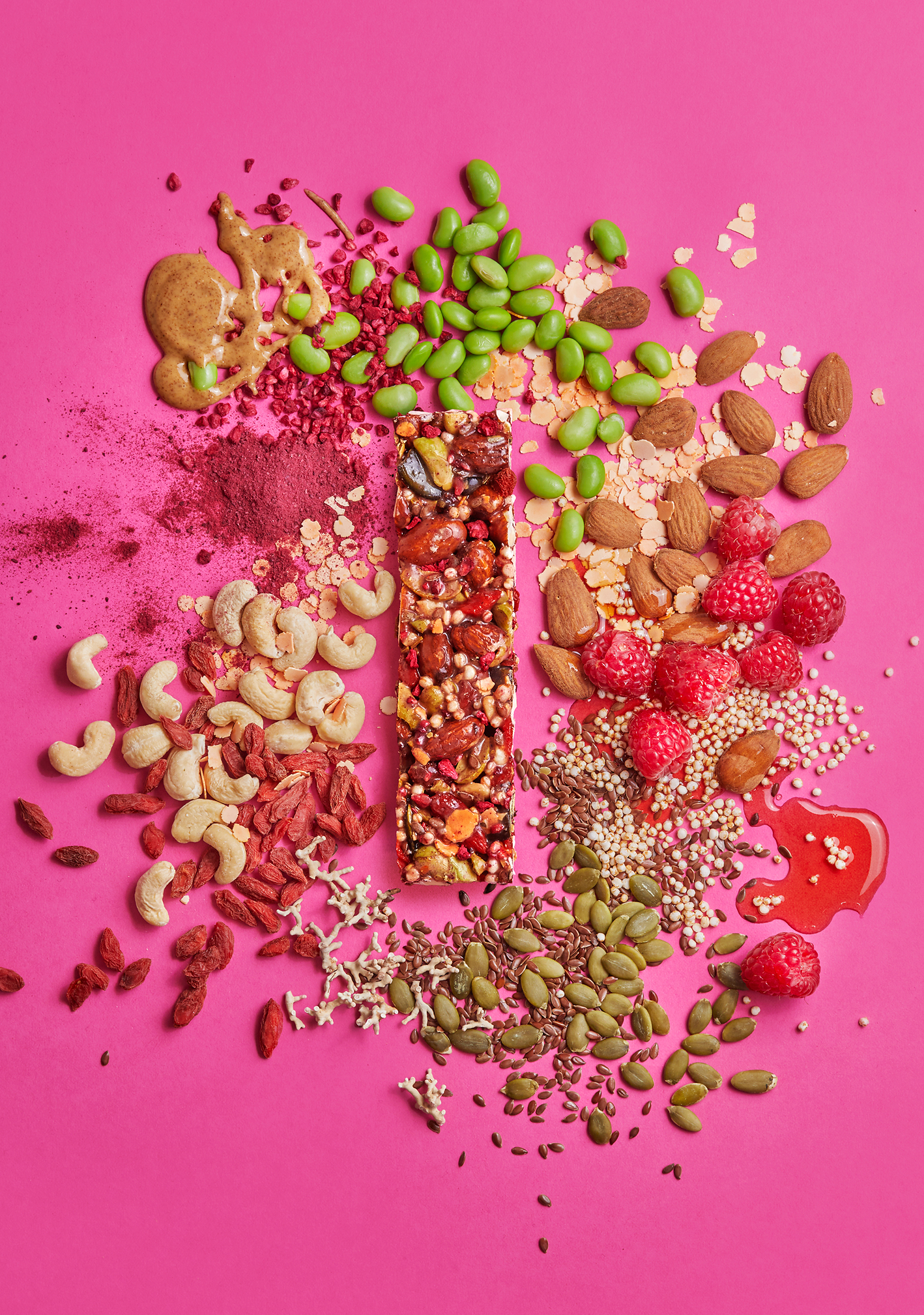
ZOE, the gut health science company behind the ZOE app and Daily30 supplement, has entered the US snack category with its new Gut Health Bar — available in 70% Dark Chocolate + Sea Salt and Raspberry + Goji Berry. Priced at $50 per box of 12 bars direct-to-consumer, or $45 per month on subscription, this is the brand's first physical food product and its clearest pivot yet from digital health platform to everyday CPG brand.
For operators and buyers watching the functional food space, the launch carries a specific signal: brands with proprietary health data and credentialed science teams are increasingly capable of building products that legacy snack manufacturers can't easily replicate. ZOE draws on the world's largest nutrition study and a microbiome database of more than 300,000 people to formulate its bars, selecting more than 10 plant ingredients — including edamame, red lentils, flaxseeds, seaweed, and kombucha — with structural integrity preserved so they travel further down the digestive tract to feed gut microbes.
Why Fiber Positioning Wins Right Now
The timing is deliberate. A ZOE-commissioned survey of 1,000 US adults found that 64% feel misled by marketing claims on food packaging, and 70% of self-identified healthy eaters don't know the recommended daily fiber intake. That gap between consumer intent and nutritional literacy is exactly where science-backed brands have room to move — and where vague "high protein" or "clean label" claims are losing credibility with educated shoppers and retail buyers alike.
Research from the National Health and Nutrition Examination Survey underpins the category opportunity: 95% of US consumers snack regularly, with snacks accounting for roughly 24% of daily calorie intake. Yet the conventional snack bar market is crowded with ultra-processed products low in fiber and reliant on added sugars and emulsifiers. ZOE's formulation deliberately avoids emulsifiers in its 70% dark chocolate sourcing — a detail that signals the kind of ingredient-level scrutiny increasingly demanded by premium retail buyers and health-focused foodservice operators.
Professor Sarah Berry, Chief Science Officer at ZOE and Professor of Nutritional Sciences at King's College London, frames the product strategy plainly: "For people who snack, choosing higher-quality snacks can be one of the simplest dietary strategies for improving health and is linked to more favorable markers of metabolic health." That language — metabolic health, not just weight management — reflects a maturing functional food vocabulary that operators and distributors should take note of when evaluating emerging brands.
What This Signals for Buyers and Operators
ZOE is starting with a direct-to-consumer channel, which is consistent with its subscription-first business model, but the structure of the product — single-serve bar, clear macros, science-backed positioning — is designed for retail and hospitality adjacencies. Hotel minibars, corporate wellness programs, gym and spa retail, and health-forward café concepts are all logical next distribution vectors for a brand at this positioning and price point.
For operators building or refreshing a snack or grab-and-go retail set, the ZOE launch reinforces a broader category trend: consumers are trading up on snacks when the nutritional case is made clearly and credibly, not just visually. Brands that can demonstrate clinical or study-backed formulation — rather than lifestyle imagery alone — are increasingly winning at the premium end of the snacking occasion.
Distributors and category managers evaluating functional snack brands for retail-ready placement should watch how ZOE builds out its buyer deck beyond DTC. The subscription pricing model suggests margin flexibility that could support a retail pricing architecture without cannibalization. And for operators assessing the broader functional beverage and food trend landscape, ZOE's entry into physical product represents a meaningful benchmark: science-platform brands are no longer staying in their lane.
Written by Michael Politz, Author of Guide to Restaurant Success: The Proven Process for Starting Any Restaurant Business From Scratch to Success (ISBN: 978-1-119-66896-1), Founder of Food & Beverage Magazine, the leading online magazine and resource in the industry. Designer of the Bluetooth logo and recognized in Entrepreneur Magazine's "Top 40 Under 40" for founding American Wholesale Floral, Politz is also the Co-founder of the Proof Awards and the CPG Awards and a partner in numerous consumer brands across the food and beverage sector.