Red Robin Gourmet Burgers, Inc. launched its Dinner Double Feature on August 10, offering guests two half-portion entrée selections, coleslaw, one Bottomless Side, and a choice of appetizer or dessert — all for $17.99. The offer is dine-in only, available from 4 p.m. to close at participating locations nationwide for a limited time. For casual-dining operators tracking dinner-daypart recovery, the structure of this bundle is worth examining closely.
The Bundle Architecture
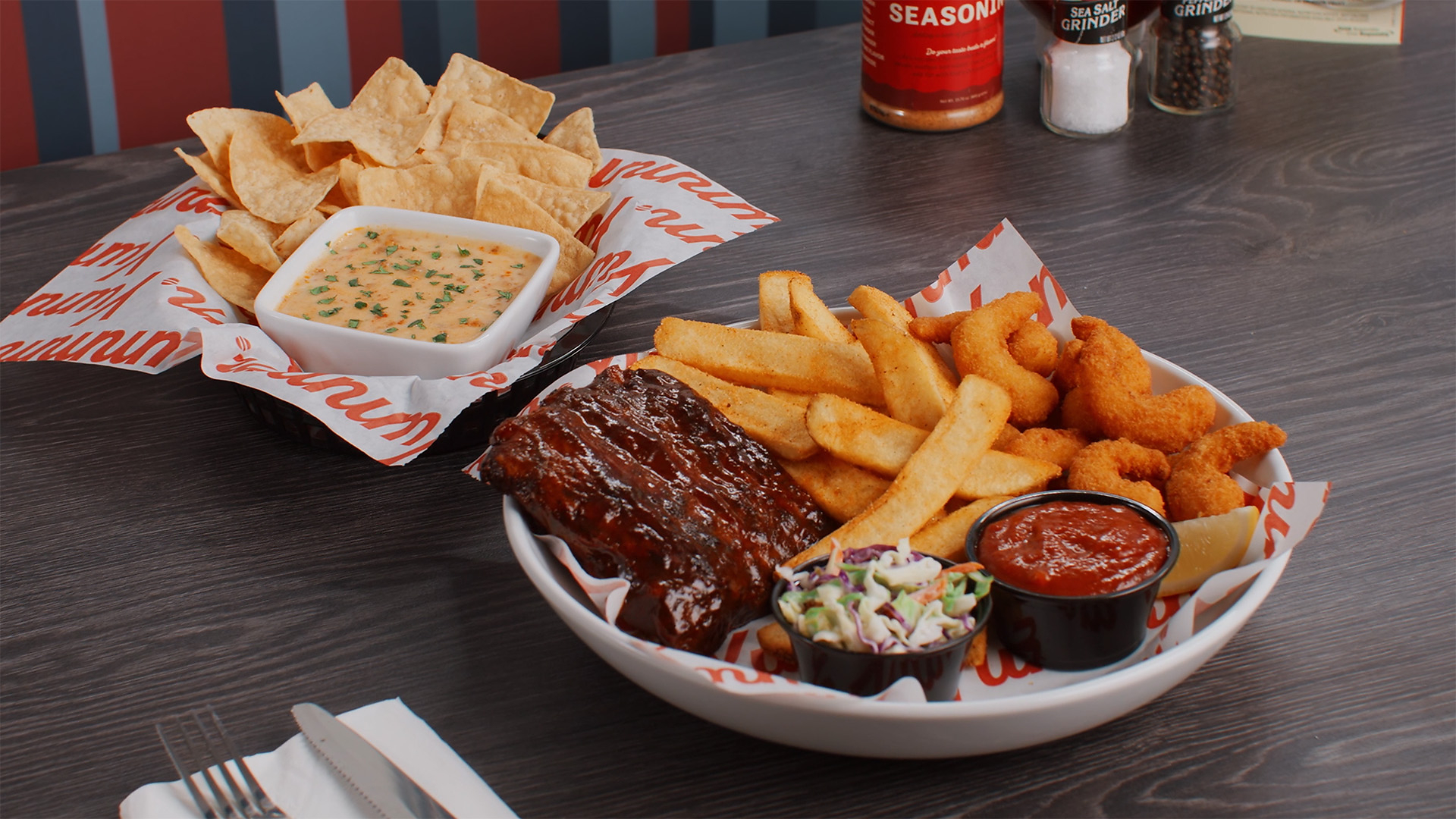
The mechanics here are deliberate. Rather than discounting a single entrée, Red Robin is engineering a perceived high-value experience across multiple courses — two proteins, a starter or finish, a side with bottomless refills, and a fixed ticket. With 180 possible meal combinations drawn from five entrée options (including Crispy Chicken Strips, Crispy Fried Shrimp, Whiskey River BBQ Ribs, and two chicken preparations), the chain is leaning on variety to justify the price and extend dwell time. Appetizer selections include Chips & Salsa, Crispy Fried Pickles, Pretzel Bites, and Queso Fundido; dessert options are a Warm Brownie Sundae or Warm Cookie Sundae. The bundle is explicitly not stackable with Royalty rewards or other offers, which protects margin on the promotion.
What This Signals for Operators
The casual-dining segment has spent the past 18 months wrestling with value perception as average check sizes climbed and guest frequency softened. Bundled, fixed-price dinner formats are one of the cleaner solutions operators have at their disposal: they anchor the guest's spend expectation early, reduce order complexity for kitchen teams running leaner staffing, and create a structured upsell path through beverage (not included in the bundle price). Red Robin president and CEO Dave Pace framed it directly: "Dinner shouldn't have to be a choice between variety and value." That line is also a positioning signal — the chain is explicitly competing against the perception that value and variety are mutually exclusive at the casual-dining price tier.
For operators considering similar bundle structures, the half-portion entrée model is particularly instructive. It allows the kitchen to run familiar proteins at reduced yield per plate, controlling food cost while delivering a multi-protein experience that reads as generous to the guest. The dine-in restriction and 4 p.m. window also concentrate traffic in the shoulder dinner hour, which helps labor scheduling. Operators exploring dinner-daypart and menu strategy may find the half-portion bundling approach more replicable than a straight price cut.
Competitive Context
Red Robin operates nearly 500 locations across the United States and Canada. The Dinner Double Feature arrives as competing casual-dining chains have leaned into prix-fixe and bundled promotions — a format shift that mirrors what fast-casual operators have done with combo architecture for years. The $17.99 price point sits below the psychological $20 threshold that has become a friction point for casual-dining guests in the current environment. Operators and brand teams evaluating limited-time offer strategy and promotional pricing should note that the bundle's structure does the value communication work that a single discounted entrée often cannot.
The offer runs for a limited time, and Red Robin has not disclosed an end date, which is standard practice for traffic-driving LTOs designed to create urgency without committing to a long promotional runway.
Written by Michael Politz, Author of Guide to Restaurant Success: The Proven Process for Starting Any Restaurant Business From Scratch to Success (ISBN: 978-1-119-66896-1), Founder of Food & Beverage Magazine, the leading online magazine and resource in the industry. Designer of the Bluetooth logo and recognized in Entrepreneur Magazine's "Top 40 Under 40" for founding American Wholesale Floral, Politz is also the Co-founder of the Proof Awards and the CPG Awards and a partner in numerous consumer brands across the food and beverage sector.