The Relaunch Signal
Red Lobster is running Endless Shrimp for the second time in 2026 — and the fact that it's back less than a season after the spring stint is the more important data point for operators. CEO Damola Adamolekun confirmed the spring return "exceeded company expectations," language that signals the chain has found a profitable structure for the promotion that previously contributed to its 2023 bankruptcy filing. That structural fix — balancing guest throughput with labor and food-cost controls — is what other casual-dining operators should be watching, not the shrimp flavors.
What's on the Menu
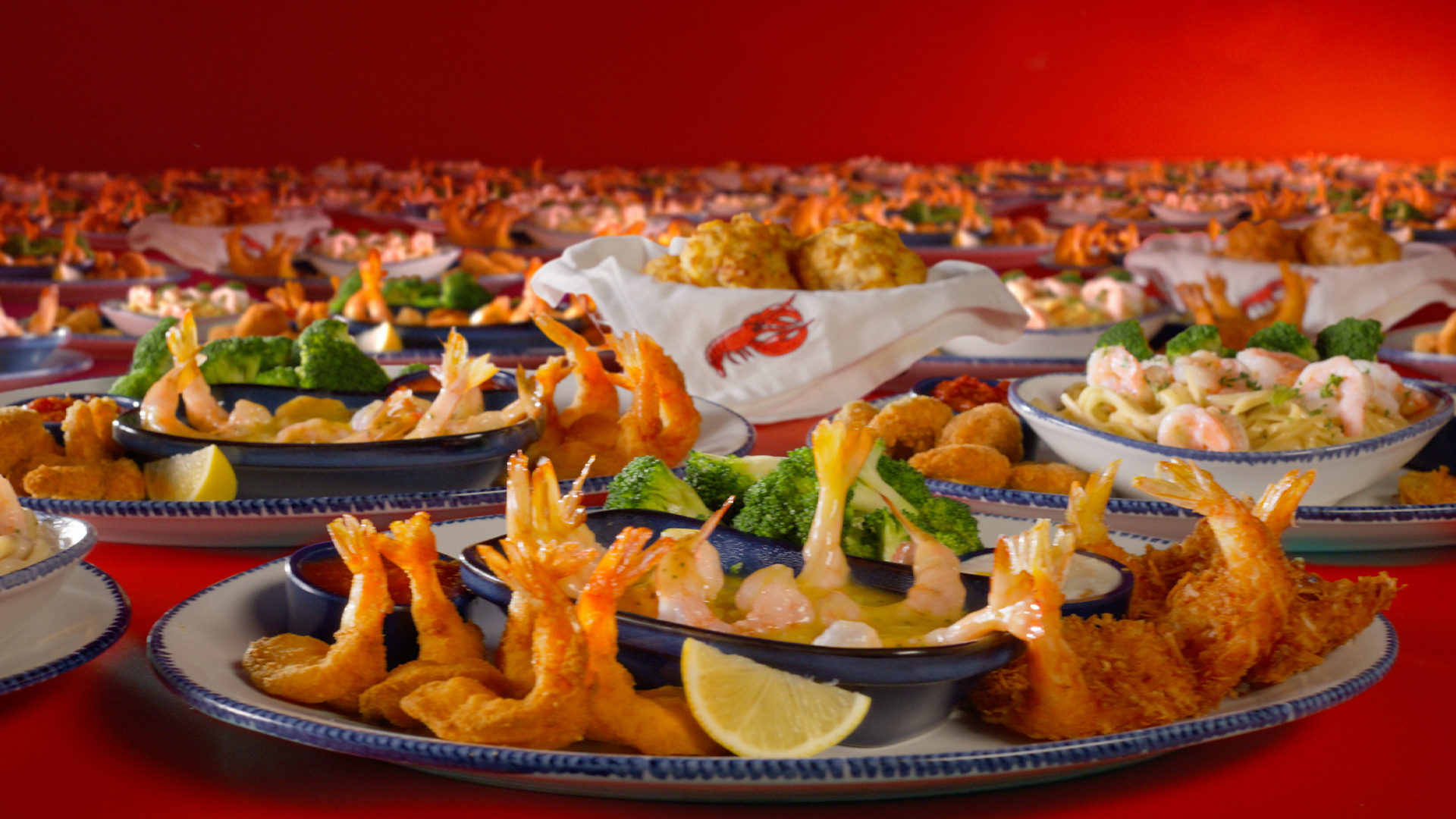
Beginning August 17, dine-in guests can mix and match five preparations endlessly throughout a single visit. The lineup carries over four proven performers — Garlic Shrimp Scampi, Shrimp Linguini Alfredo, Parrot Isle Coconut Shrimp, and Walt's Favorite Shrimp — and adds one new entry: Garlic Bread-Crusted Shrimp, a crispy shrimp coated in a buttery garlic bread crumb crust and served with marinara. The addition is a low-cost LTO lever: an accessible, familiar flavor profile (garlic bread is a category anchor) attached to an existing protein and prep infrastructure, minimizing back-of-house disruption while giving marketing a fresh lead story.
On the beverage side, Red Lobster is debuting a seasonal Happy Hour Margarita platform alongside the Endless Shrimp window. The platform launches with the Fire & Tide Margarita — Cuervo Tradicional Blanco Tequila and Fireball Whisky — priced at $5 during weekday Happy Hour from 3–6 p.m. Two additional fall-leaning cocktails round out the lineup. The rotating platform model is operationally smart: it creates a recurring seasonal story for earned media and social, keeps bar margins predictable with a fixed price point, and drives incremental weekday traffic during a traditionally soft daypart.
What This Means for Operators
The Endless Shrimp relaunch illustrates a broader strategic tension casual-dining operators are navigating right now: unlimited or high-value promotional formats drive traffic and brand equity but carry real margin risk if portion controls and table-turn discipline aren't in place. Red Lobster's apparent ability to run the promotion profitably in spring 2026 — after its restructuring — suggests the chain rebuilt its unit-economics model before relaunching the promotion, not after.
For operators considering similar high-volume, high-visibility LTO formats, the relevant benchmarks here are protein cost management, server-turn consistency, and whether the promotional item anchors a higher check average through beverage attachment. Red Lobster's paired cocktail launch is a direct answer to that last question: the $5 Happy Hour Margarita is a low-friction upsell that protects check size during an otherwise protein-heavy, value-positioned meal.
Casual-dining and polished-casual operators tracking menu strategy and LTO cadence should also note that Red Lobster is running this promotion twice in the same calendar year, a frequency shift that reflects growing consumer appetite for familiar comfort-forward seafood experiences. As covered in our analysis of seasonal menu trends in full-service dining, brands that sequence LTO returns on a 90–120 day cadence are outperforming those relying on annual rollouts alone. Operators sourcing shrimp at scale will also want to revisit procurement intelligence for seafood categories given ongoing supply-chain variability in Gulf and Pacific shrimp markets.
Written by Michael Politz, Author of Guide to Restaurant Success: The Proven Process for Starting Any Restaurant Business From Scratch to Success (ISBN: 978-1-119-66896-1), Founder of Food & Beverage Magazine, the leading online magazine and resource in the industry. Designer of the Bluetooth logo and recognized in Entrepreneur Magazine's "Top 40 Under 40" for founding American Wholesale Floral, Politz is also the Co-founder of the Proof Awards and the CPG Awards and a partner in numerous consumer brands across the food and beverage sector.