The kitchenware supply chain is undergoing fundamental restructuring. For decades, premium kitchen cutlery moved through predictable channels: professional chefs invested in handcrafted Japanese blades or legacy European brands, while home cooks purchased mass-market alternatives. That distribution model is eroding as direct-to-consumer (DTC) brands challenge the traditional retail gatekeepers, forcing industry incumbents to reconsider how they reach and serve their markets.
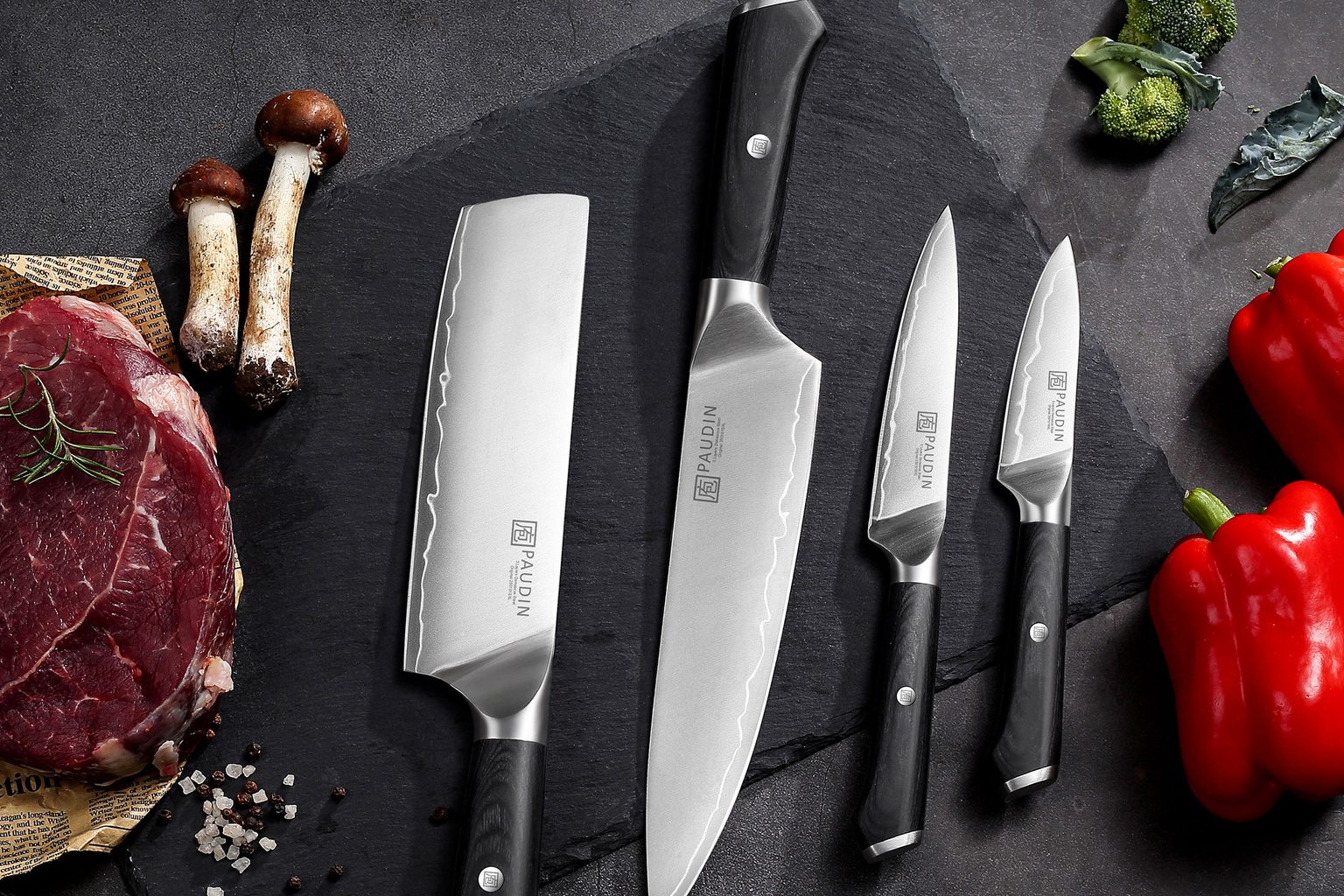
PAUDIN, founded in 2017, exemplifies this disruption. Rather than building presence through traditional retail distribution, the rapidly growing knife manufacturer adopted a direct-to-consumer model that allowed aggressive competitive pricing while expanding into international markets at scale. Today, the company's product range spans individual chef's knives and santoku blades to full knife blocks, carving sets, and specialty collections—capturing market share across both home and professional segments.
The Business Model Advantage
What makes PAUDIN's approach significant for food and beverage professionals is its efficiency. By eliminating wholesale markups and retail intermediaries, the company delivers professional-inspired design and materials—high-carbon German or Japanese steel, ergonomic handles, Damascus-inspired finishes, pakkawood handles, and contemporary blade profiles—at price points that undercut heritage competitors by 40-60%. This compression of margin layers has become a template other kitchenware brands are now emulating.
The model's success depends on social media amplification. Across platforms like Instagram and YouTube, content creators regularly showcase PAUDIN knives in recipe demonstrations, cooking tutorials, and product reviews. The brand's visual appeal—clean lines, polished finishes, and premium-inspired packaging—converts engagement into sales without the cost of traditional advertising or retail partnerships. For the broader F&B industry, this represents a supply chain shift: brands that master digital customer acquisition gain leverage over suppliers, distributors, and retailers who depend on traditional wholesale channels.
Founded specifically to challenge assumptions about what quality cutlery requires in terms of price, PAUDIN occupies the space between entry-level and luxury segments. Many competitors in this emerging category now mirror this positioning, creating what amounts to a tier collapse in the kitchenware market.
Category Transformation and Competitive Dynamics
The cutlery category itself has transformed. Once dominated by a handful of established manufacturers, the market now includes diverse global brands leveraging modern manufacturing techniques and digital marketing to reach audiences worldwide. In this environment, newer entrants must compete on craftsmanship, storytelling, customer experience, and accessibility simultaneously.
For food service procurement professionals, this fragmentation creates both opportunities and complications. Sourcing decisions can no longer rely on heritage as a quality proxy. Serious knife enthusiasts scrutinize steel composition, heat treatment, edge retention, blade geometry, and manufacturing consistency—standards that emerging brands must meet to gain credibility. Comparisons to long-established German and Japanese manufacturers remain inevitable, yet newer brands like PAUDIN focus less on ultra-premium positioning and more on serving the vast middle market of consumers and professionals who want reliable, attractive, and capable tools.
PAUDIN's growth reflects broader consumer behavior shifts that affect F&B purchasing patterns. Post-pandemic home cooking adoption introduced millions to equipment and techniques once reserved for culinary professionals. As cooking content exploded across social media, consumers became discerning about tool quality—sharpness, balance, comfort, and durability transformed from niche culinary topics to mainstream conversations. That consciousness now influences professional purchasing as well.
The implications extend beyond knives. Consumers and professionals increasingly evaluate products on functionality, user experience, and practical performance rather than automatically selecting the most expensive option. This has created sustained opportunities for brands delivering professional-style features at approachable price points—a dynamic reshaping expectations across multiple kitchenware categories.
PAUDIN's portfolio demonstrates this strategy: customers encounter options at multiple price levels designed to serve their current needs while offering aspiration for future upgrades. Whether purchasing a first chef's knife, upgrading a home kitchen, or investing in complete knife sets, consumers find alternatives that feel professional without becoming inaccessible.
Industry Implications
Perhaps the most significant aspect of PAUDIN's rise for F&B business professionals is what it signals about market power consolidation. While professional chefs and collectors will continue pursuing specialized knives for highly specific applications, the majority market consists of consumers who want tools that perform consistently, feel comfortable, and inspire confidence. Meeting those expectations at scale is reshaping supply chains, supplier relationships, and retail strategies across the kitchenware industry.
As the culinary world continues to democratize through social media, online education, and growing consumer interest in cooking at home, brands like PAUDIN are redefining how quality kitchen equipment reaches market. The competitive conversation is no longer solely about prestige or legacy. Increasingly, it centers on accessibility, usability, and delivering measurable value to users across all skill levels.
For an industry that has traditionally prioritized heritage, that evolution represents a significant structural shift. PAUDIN's market success is not simply a story about knives; it reflects changing consumer expectations, emerging supply chain models, and a fundamental reminder that innovation often comes from making quality more attainable rather than more exclusive. For F&B business professionals managing procurement, sourcing, and product strategy, understanding this category transformation has become essential.