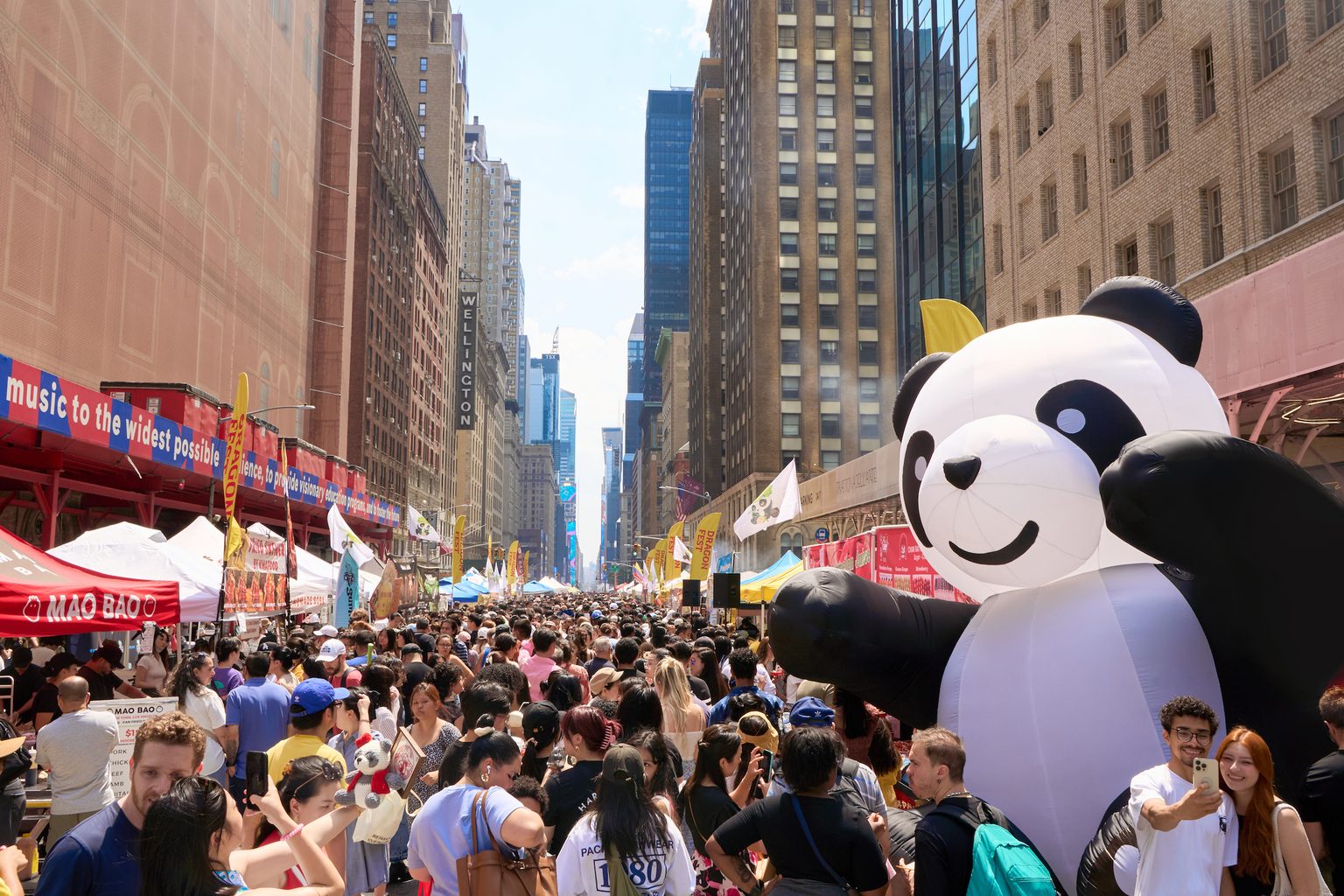
The experiential hospitality market is reshaping how food and beverage businesses reach customers and drive revenue. Rather than relying on traditional marketing alone, operators increasingly benefit from high-traffic festivals and immersive environments where they can serve thousands of potential customers in a single weekend. Panda Fest, which launched in 2024 and expanded from a single New York City event to multiple markets with more than half a million attendees in its first year, illustrates the business case for this emerging model.
Market Opportunity and Vendor Value
For independent operators—particularly family-owned, immigrant-owned, and first-generation businesses—festivals present a direct channel to customer acquisition at scale. Panda Fest's approach distinguishes itself by extending beyond simple booth placement. Founder BiuBiu emphasized that supporting participating businesses includes operational guidance, production planning, and strategic communication around unfamiliar dishes to broader audiences. Vendors who participated have reported using festival exposure to expand their operations, reach new customers, and establish lasting business momentum after the event concludes.
This vendor-centric model reflects a broader shift in how hospitality businesses think about consumer engagement. Rather than competing in crowded single-restaurant markets, many operators now see strategic participation in curated festivals as a cost-effective way to build brand awareness, test product concepts, and establish customer loyalty.
Operational Execution Across Multiple Markets
Executing a multi-city festival platform requires operational sophistication comparable to large hospitality organizations. Each market presents distinct logistical requirements: venue selection, permitting, local partnerships, vendor recruitment, crowd management, and programming. Panda Fest maintains consistent quality and guest experience standards while adapting each experience to reflect its surrounding community. Feedback from every festival directly informs layouts, vendor selection, and operational improvements for future events.
This localized approach extends to marketing and audience development. Rather than broad national campaigns, Panda Fest develops community-specific content, collaborates with local creators, and pre-promotes participating vendors before ticket sales begin. The strategy builds anticipation while helping attendees make intentional purchasing decisions during the event.
Programming Strategy and Brand Positioning
While viral food trends generate initial consumer interest, Panda Fest's vendor selection emphasizes authenticity and cultural storytelling. Offerings such as soup dumplings, soufflé pancakes, tanghulu, and shaved ice drive excitement, but the underlying programming strategy focuses on showcasing the depth and diversity of Asian cuisines. This approach allows vendors to present recipes reflecting their own backgrounds and experiences rather than merely chasing trends.
This positioning addresses a key consumer insight: audiences increasingly value understanding the people and traditions behind the food. Operators who create those cultural connections are the ones building lasting customer loyalty—a lesson applicable across categories.
Economic Impact and Expansion Strategy
The economic outcomes speak to the model's viability. Participating vendors report tangible business growth post-event, a success metric that continues to shape Panda Fest's long-term vision. The organization has announced expansion into additional U.S. markets while exploring year-round engagement through merchandise, creative collaborations, and expanded opportunities for AAPI-owned businesses, artists, and culinary entrepreneurs.
For food and beverage operators, Panda Fest demonstrates how hospitality platforms can function as business development tools rather than standalone events. The most successful experiences share three characteristics: thoughtful curation that reflects community values, operational planning that prioritizes vendor success, and authentic storytelling that creates meaningful human connection. When those elements align, the business outcomes extend well beyond a single weekend.