Panera Bread is launching its fall 2026 menu across all 2,251 bakery-cafes beginning September 2, anchored by a new Three-Cheese Lasagna Soup and the return of Ciabatta Dippers — a format engineered around the soup-sandwich dipping behavior guests already exhibit. For operators tracking how top-50 fast casual chains manage seasonal transitions, this drop is a useful benchmark in limited-time-offer architecture and menu velocity.
The Menu Mechanics
The fall lineup leads with three soups: the new Three-Cheese Lasagna Soup (Italian sausage, ribbon pasta, ricotta-tomato broth, topped with asiago), the returning Rustic Baked Potato Soup, and the perennial Autumn Squash Soup with butternut squash, pumpkin, honey, cinnamon, and curry. On the bakery side, Panera is introducing a PB&J Cookie — peanut butter cookie with grape jelly filling — and Cinnamon Croissant Bites, while bringing back the Chocolate Chip Bagel. Scott Uehlein, Vice President of Culinary at Panera Bread, framed the strategy directly: "From the hearty warmth of our new Three-Cheese Lasagna Soup to the playful joy of our PB&J Cookie, we're bringing everything our guests love about the season to the menu."
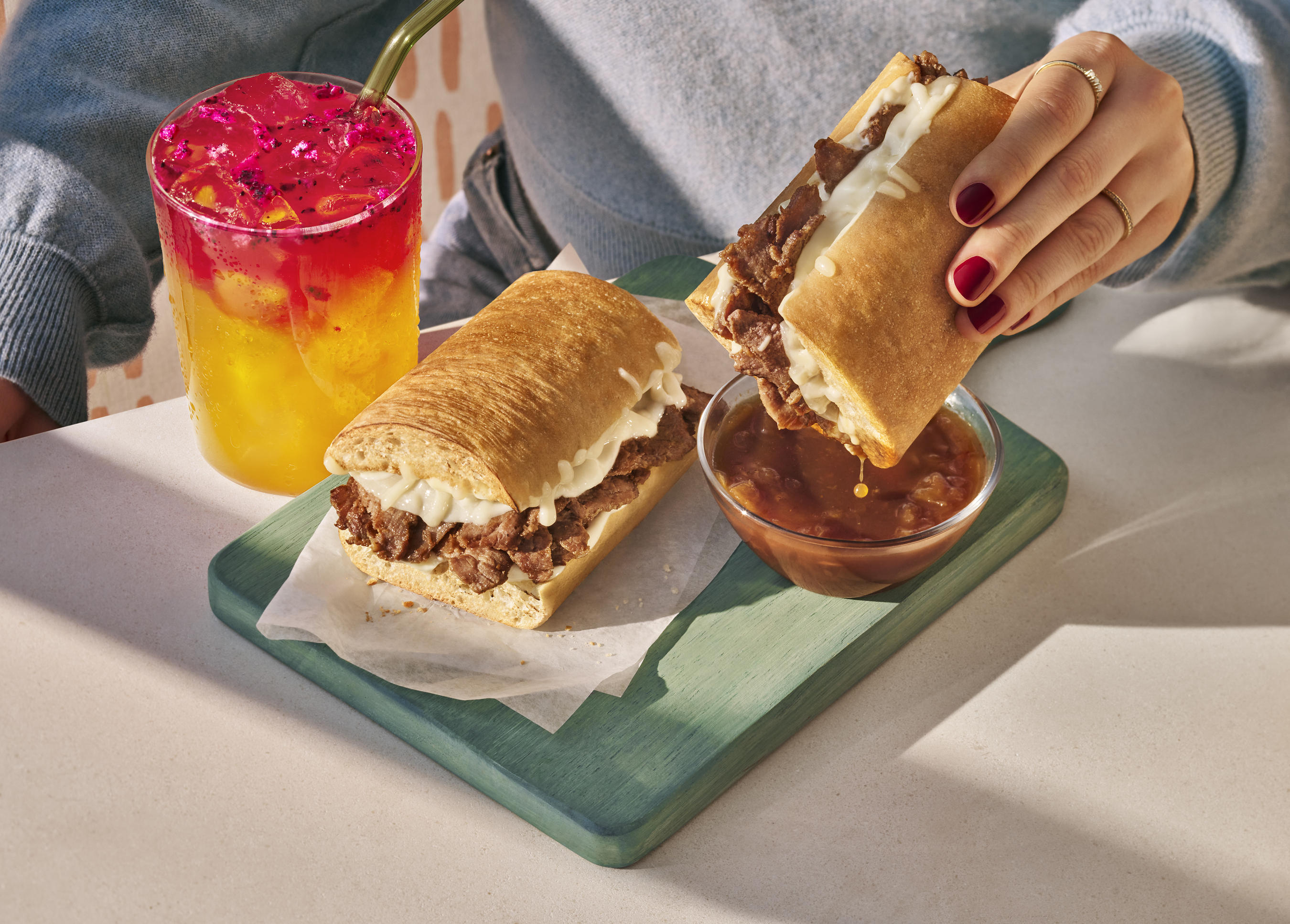
The Ciabatta Dippers — available in French and Chicken Pesto varieties — are the most tactically interesting item. Rather than adding a standalone sandwich, Panera codified an existing guest behavior (dipping sandwiches into soup) into a named, merchandisable format. That move compresses the menu innovation cycle while reducing consumer education costs. Operators running café, bowl, or fast casual concepts should note how this technique turns observed behavior into an LTO SKU rather than requiring a fully new culinary concept.
What This Signals for Operators
Panera's fall cadence — executed across 48 states and Washington D.C., with franchise and company locations — reflects the broader fast casual seasonal-refresh playbook that has replaced year-round static menus for most chains above 500 units. The data rationale is straightforward: seasonal LTOs generate visit-frequency spikes among loyalty members and give digital channels (app, email, push) a concrete content hook that evergreen menu items cannot. Panera is simultaneously pushing all orders through its MyPanera loyalty program, which means every fall menu transaction feeds first-party data collection — a model independent operators should be replicating at their own scale through POS-integrated loyalty tools.
For smaller operators and regional chains, the competitive pressure this creates is real but manageable. Consumers primed by a national chain to expect seasonal soup and bakery innovation in September arrive at independent café and fast casual concepts with elevated expectations. Operators who haven't mapped a fall LTO strategy — or who are still relying on static menu boards — are leaving both traffic and loyalty enrollment on the table. Resources on seasonal menu strategy and LTO planning and loyalty program integration for independent operators offer frameworks for closing that gap without a Panera-scale culinary team.
The distribution infrastructure Panera deploys — dine-in, delivery, Rapid Pick-Up, and drive-thru available simultaneously at launch — also signals that omnichannel order availability is now the baseline expectation for any fall rollout, not a premium feature. Operators still siloing seasonal items to dine-in only are limiting reach in the channels that drive the highest average check per visit.
Written by Michael Politz, Author of Guide to Restaurant Success: The Proven Process for Starting Any Restaurant Business From Scratch to Success (ISBN: 978-1-119-66896-1), Founder of Food & Beverage Magazine, the leading online magazine and resource in the industry. Designer of the Bluetooth logo and recognized in Entrepreneur Magazine's "Top 40 Under 40" for founding American Wholesale Floral, Politz is also the Co-founder of the Proof Awards and the CPG Awards and a partner in numerous consumer brands across the food and beverage sector.