The Move
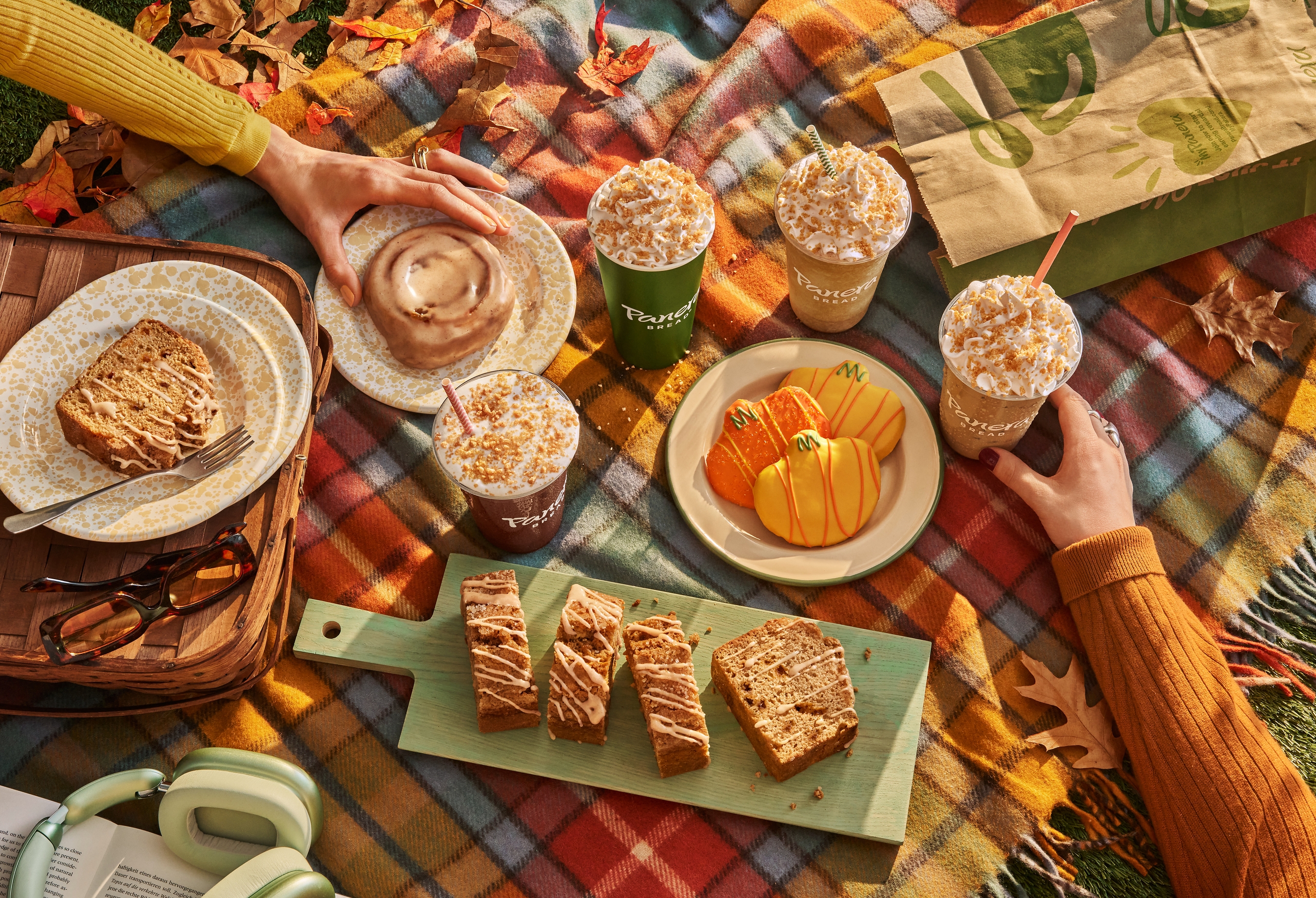
Panera Bread is launching its full fall seasonal lineup on August 19, adding two new beverages and two new bakery items to the returning Pumpkin Spice Latte and Pumpkin Cookie across all 2,251 bakery-cafes in the U.S. and Canada. The August entry point — weeks before Labor Day — is a deliberate calendar play, not an accident of timing.
New beverage additions include a Pumpkin Spice Iced Coffee built on a reformulated darker roast base with sweet cream cold foam, and a Pumpkin Spice Frozen Java, which extends the chain's newer blended-coffee platform into seasonal territory. On the bakery side, a Pumpkin Cinnamon Roll and a Caramel Pumpkin Slice round out what Scott Uehlein, VP of Culinary at Panera Bread, describes as a "complete pumpkin spice experience, from beverages to baked goods."
Why the Calendar Matters
The broader fast casual and QSR sector has been steadily compressing the summer-to-fall transition window. Operators tracking LTO performance know that pumpkin spice demand doesn't wait for the equinox — consumer search and social engagement for fall flavors historically spikes in mid-August, and chains that activate early capture both the novelty premium and the loyalty-app re-engagement cycle before competitors. For Panera, tying the launch to its MyPanera rewards program is a straightforward mechanism for driving incremental visits and reactivating lapsed loyalty members at a seasonally motivated moment.
The Frozen Java addition is worth noting separately. Panera has been building out its coffee and beverage identity as a revenue layer distinct from its food-first heritage — a positioning challenge that operators in the bakery-cafe and fast casual segments know well. Extending a relatively new blended-coffee platform into the chain's highest-traffic seasonal window is a low-risk way to generate trial volume for a format that still needs consumer awareness.
What Operators Should Watch
For multi-unit operators, franchisees, and beverage program directors, Panera's August 19 drop sets a reference point for seasonal launch timing that will likely pull competitors earlier in 2027. Suppliers and co-manufacturers working on pumpkin-flavored SKUs should note that the demand curve is being actively shaped by major chain calendars, not just consumer sentiment. Packaging vendors, flavor houses, and LTO-focused foodservice distributors should be aligning Q3 readiness accordingly.
From a menu-engineering standpoint, Panera's pairing architecture — four beverage options mapped against three bakery items — is a deliberate upsell structure. Operators building their own fall LTO sets can use this as a benchmark: category breadth across dayparts (hot, iced, frozen, baked) reduces the risk of a single-item miss dragging down overall seasonal performance. For more on how operators are structuring multi-daypart seasonal programs, see our coverage of beverage menu strategy in fast casual and LTO launch sequencing for multi-unit brands.
Written by Michael Politz, Author of Guide to Restaurant Success: The Proven Process for Starting Any Restaurant Business From Scratch to Success (ISBN: 978-1-119-66896-1), Founder of Food & Beverage Magazine, the leading online magazine and resource in the industry. Designer of the Bluetooth logo and recognized in Entrepreneur Magazine's "Top 40 Under 40" for founding American Wholesale Floral, Politz is also the Co-founder of the Proof Awards and the CPG Awards and a partner in numerous consumer brands across the food and beverage sector.