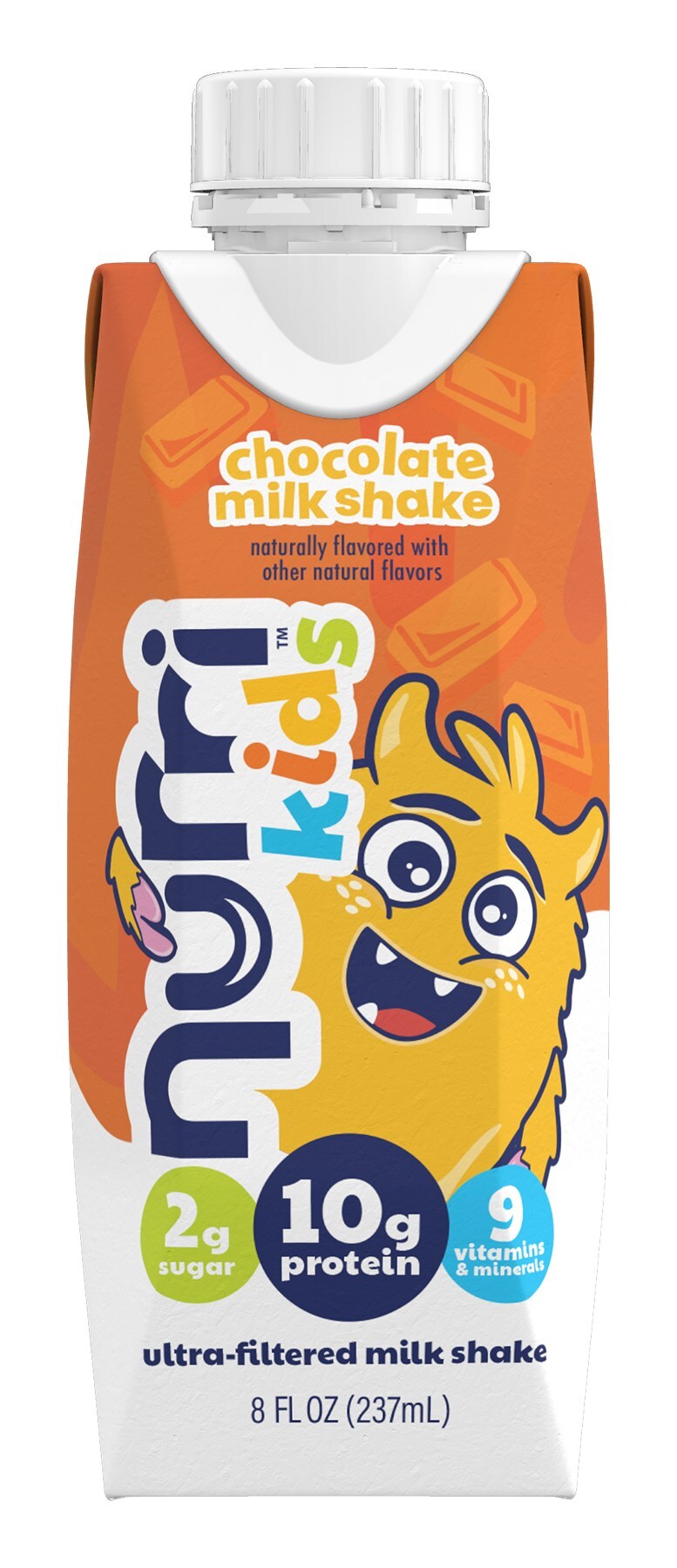
Nurri, the Wisconsin-based protein lifestyle brand, has launched Nurri Kids™ — an ultra-filtered protein shake formulated for children — directly into Sam's Club locations nationwide. The June 2026 rollout bypasses the typical emerging-brand progression of natural channel to grocery to mass, landing instead in club retail at scale from day one. For operators sourcing functional beverages for family-facing venues, convenience channels, or school-adjacent foodservice, the move is worth tracking.
The brand arrives at Sam's Club with meaningful third-party validation behind it. Circana named Nurri among its top CPG growth leaders, Bain & Company flagged it as an insurgent brand in its 2026 U.S. growth report, and Instacart recognized it as its fastest-growing brand of 2025. That trifecta — velocity data, independent brand analysis, and digital basket performance — is increasingly the credential set that secures club and mass placements ahead of schedule. Brands without that data stack are still waiting for regional grocery tests.
The children's functional nutrition segment is crowded at the permium end but thin on ultra-filtered, protein-forward options aimed at kids rather than adults. Nurri's formulation decision — applying the same filtration process it uses in its adult line to a kid-specific SKU — is a product extension move that avoids the cost and timeline of a full reformulation. For food and beverage brands evaluating line extensions into adjacent demographics, the playbook here is replication of process, not reinvention of it. That keeps margin structure intact and accelerates retail readiness.
The Sam's Club placement also signals something specific about Nurri's distribution strategy: the brand is prioritizing household volume and member loyalty over margin-per-unit optimization. Club retail compresses per-unit economics but accelerates household penetration and repeat purchase data, both of which feed future grocery and foodservice conversations. Operators and buyers sourcing at volume — think hotel grab-and-go, campus dining, or family entertainment venues — should watch whether a foodservice SKU or bulk format follows. The infrastructure for it is now in place.
For emerging brands watching this move, the lesson is about evidence sequencing. Nurri built its digital velocity case on Instacart before converting it into a physical retail argument. That digital-to-club pathway is increasingly replicable for brands with strong e-commerce and subscription signals. If you're advising a brand in the brand-launch pipeline, the Nurri model — validate online, convert to club, layer in grocery — is worth stress-testing against your own channel data. Operators sourcing functional beverages should also monitor how this SKU performs in the club environment as a proxy for operator procurement shifts in the children's nutrition space over the next 12 months.
Written by Michael Politz, Author of Guide to Restaurant Success: The Proven Process for Starting Any Restaurant Business From Scratch to Success (ISBN: 978-1-119-66896-1), Founder of Food & Beverage Magazine, the leading online magazine and resource in the industry. Designer of the Bluetooth logo and recognized in Entrepreneur Magazine's "Top 40 Under 40" for founding American Wholesale Floral, Politz is also the Co-founder of the Proof Awards and the CPG Awards and a partner in numerous consumer brands across the food and beverage sector.