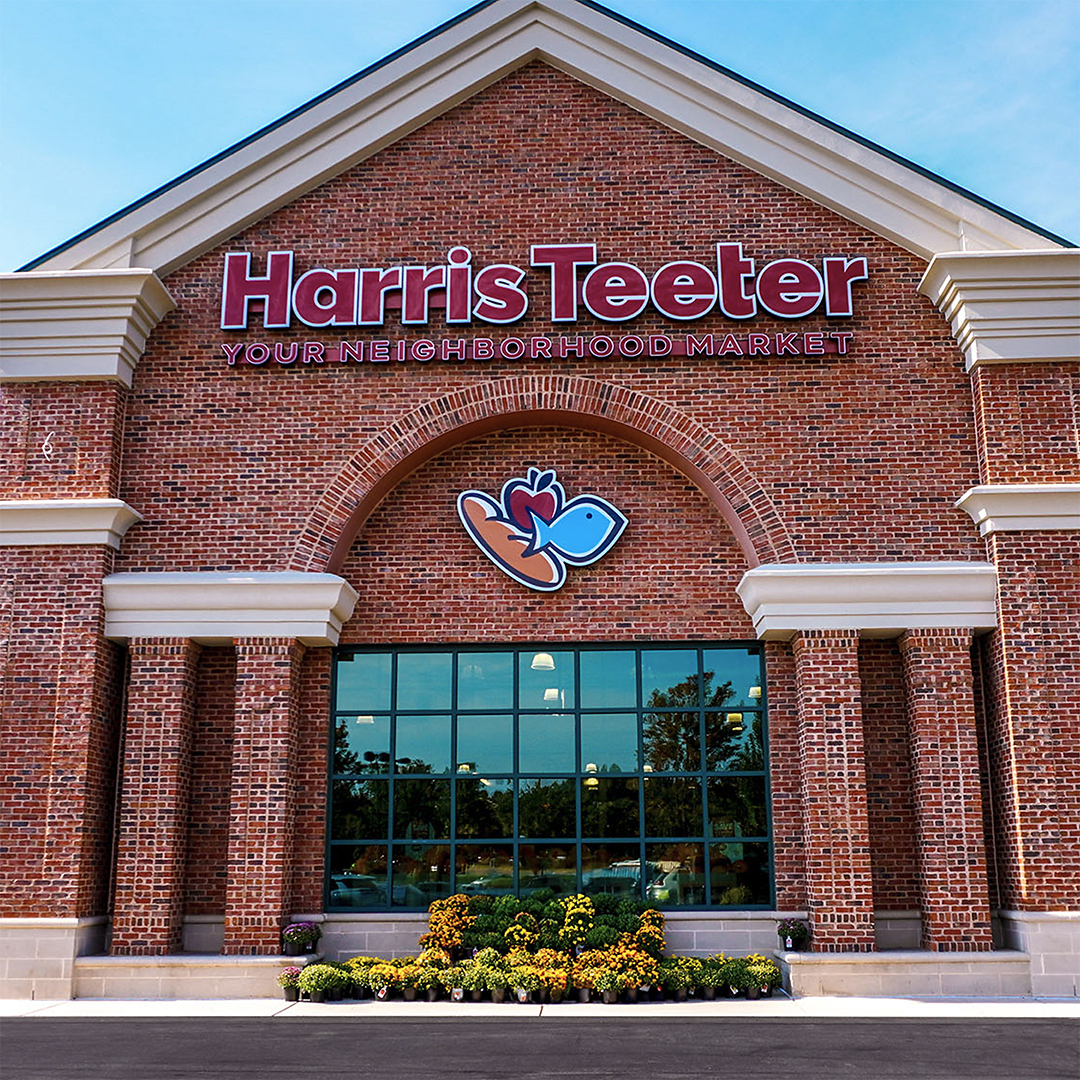
Six small-batch, cave-aged cheeses from Murray's Cheese are now available at five Harris Teeter kiosks across the Charlotte area — the brand's first entry into that market and a meaningful retail expansion for a specialty program that has historically been anchored in New York City shops and e-commerce.
Five of the six SKUs entering Harris Teeter earned honors at the 2026 American Cheese Society Judging & Competition Awards, one of the most competitive recognition programs in American artisan cheese. The collection spans a range of milk types and aging styles: Cave Aged Reserve Cornelia (buttery cow's milk), Barnstorm Blue (raw milk washed-rind blue), Hudson Flower (herb and flower-coated), Mini Greensward (spruce-wrapped, cider-washed), Carpenter's Wheel (Alpine-style goat), and the flagship Stockinghall Cheddar, which previously took Best Cheddar and Best American Cheese at the World Cheese Awards.
The Retail Mechanics
The kiosk format is the key distribution vehicle here. Murray's operates within 1,200-plus Kroger-family stores nationally — Harris Teeter is a Kroger subsidiary — but the cave-aged collection has remained exclusive to the NYC retail locations and the brand's direct-to-consumer channel. Placing it inside in-store kiosks staffed by trained cheesemongers is a deliberate friction-reduction strategy: the affinage story is complex enough that self-service floor placement would undersell it. Nick Tranchina, President of Murray's Cheese, framed the launch around guided discovery, noting that cheeses are "crafted by some of the finest cheesemakers in the U.S. and finished by our dedicated team." For operators and retail buyers watching specialty food placement, the kiosk-plus-expert model is increasingly how premium perishable brands justify shelf placement at conventional grocery scale.
What This Signals for Specialty Food Buyers
The Charlotte launch follows a pattern emerging across the specialty cheese and charcuterie category: proprietary aging programs — where the retailer or a brand partner controls the affinage process — are becoming a meaningful point of differentiation in a crowded dairy case. Controlling the ripening environment (temperature, humidity, technique) lets brands like Murray's create SKUs that literally cannot be sourced elsewhere, which insulates them from private-label pressure and direct price comparison.
For grocery and foodservice buyers evaluating specialty cheese programs, this model also raises the bar on vendor partnerships. A supplier that brings ACS-recognized, exclusively aged product to the table can anchor a premium section in ways that commodity import cheese cannot. The in-store tasting event format — Murray's hosted Perfect Pairing events at all five Charlotte locations on launch day, each featuring direct access to an Affineur — is a sampling mechanic that converts trial into basket size rather than one-time purchase.
Operators tracking brand launch strategy in retail should note how Murray's is using event programming to do the educational lift that in-line placement can't accomplish on its own. Meanwhile, buyers interested in specialty beverage and food pairing trends will find the cider-washed and spruce-wrapped formats particularly relevant as cheese boards and curated retail sets continue to outperform center-store in premium grocery environments.
Written by Michael Politz, Author of Guide to Restaurant Success: The Proven Process for Starting Any Restaurant Business From Scratch to Success (ISBN: 978-1-119-66896-1), Founder of Food & Beverage Magazine, the leading online magazine and resource in the industry. Designer of the Bluetooth logo and recognized in Entrepreneur Magazine's "Top 40 Under 40" for founding American Wholesale Floral, Politz is also the Co-founder of the Proof Awards and the CPG Awards and a partner in numerous consumer brands across the food and beverage sector.