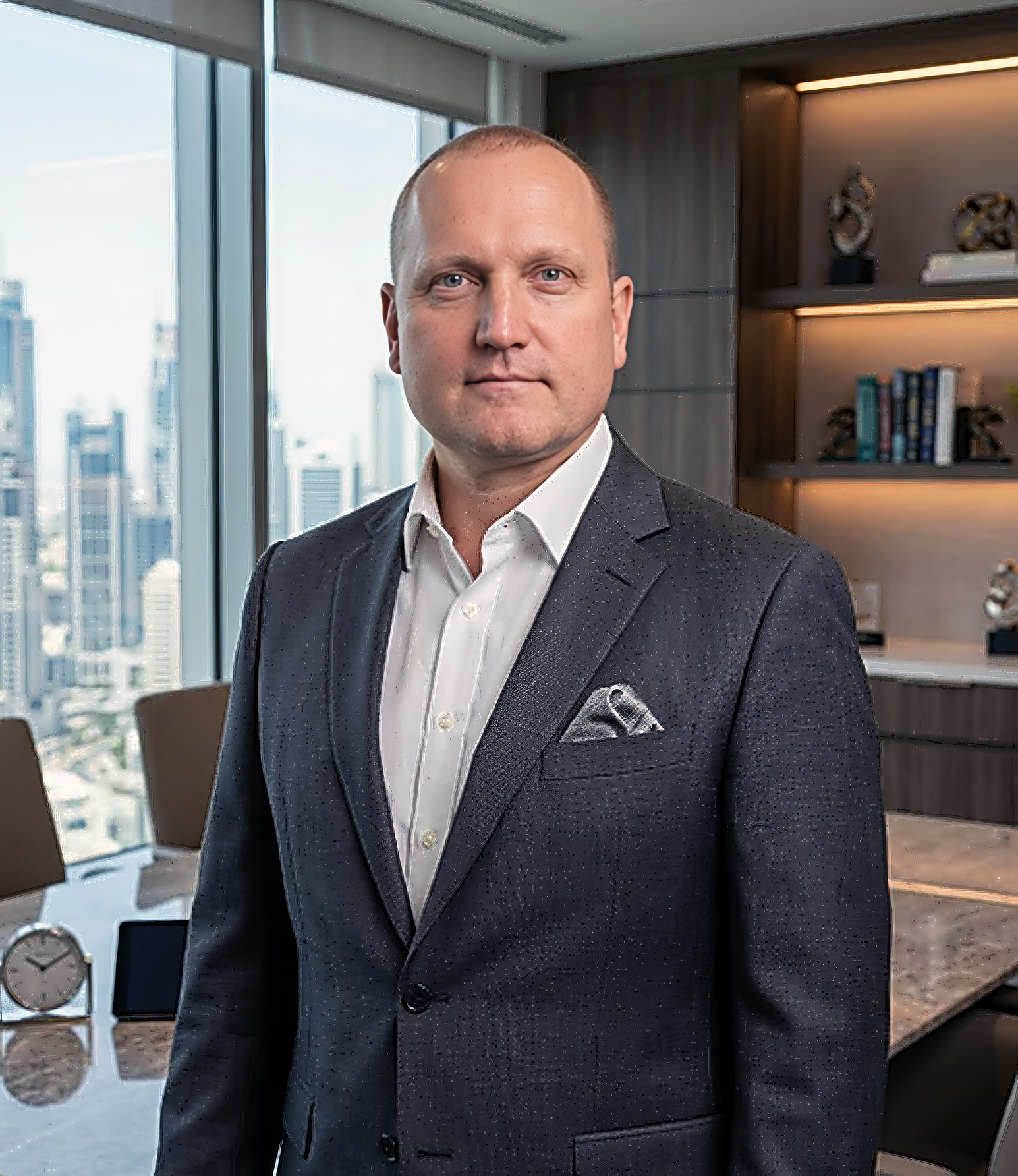
Skye Anderson is now President of McDonald's USA, effective August 4, overseeing nearly 14,000 domestic restaurants as the company advances its McDonald's > NEXT strategic framework. Anderson, a 26-year McDonald's veteran, succeeds Joe Erlinger, who is departing after more than two decades with the company. Erlinger will stay on in an advisory capacity through early 2027 to support the transition.
The appointment was not a surprise pivot — it was the conclusion of a deliberate succession plan launched earlier this year when Anderson returned to McDonald's USA as Chief Operating Officer specifically to prepare for the top role. That sequencing matters: it signals the organization is prioritizing execution continuity over external recruitment, a posture that typically reflects confidence in internal systems but also a recognition that the current strategy needs steady hands, not a reset.
Anderson's Operational Record
Anderson's track record is grounded in field operations and financial discipline, not just corporate strategy. During a four-year run leading the U.S. West Zone — a base of more than 5,700 restaurants — she helped drive comparable sales growth exceeding 30% and increased average restaurant unit cash flow by $100,000. Those are the kinds of unit-economics metrics that matter to franchisees and suppliers alike, and they explain why CEO Chris Kempczinski emphasized that Owner/Operators and suppliers have already extended trust to her.
Her career arc also includes finance leadership in Australia and the creation of McDonald's Global Business Services function, giving her cross-functional fluency that goes beyond typical field operators. For a system that relies on roughly 95% franchised ownership, a leader who understands both the P&L pressure on individual operators and the levers of global procurement is a meaningful fit.
What This Signals for the Broader System
For operators and vendors tracking the McDonald's supply and franchise ecosystem, Anderson's elevation reinforces several near-term priorities. The McDonald's > NEXT strategy centers on value perception, digital experience, and restaurant-level productivity — areas where franchisees, tech vendors, and food suppliers all have skin in the game. Her emphasis on translating strategy into "better outcomes in restaurants" suggests the company will continue pressing operators on consistency and speed rather than introducing structural changes to the franchise model.
From a competitive-intelligence standpoint, this leadership transition at the largest U.S. QSR operator sets a tone for how the full-service and fast-casual segments will respond to ongoing consumer value pressure. Rivals watching McDonald's domestic execution will note that the company is doubling down on operational leaders — not marketing executives — at the top of its largest business unit. For suppliers and foodservice distributors, a COO-turned-president signals that procurement and throughput discipline will remain central to the relationship.
For franchisors and multi-unit operators further down the system, Anderson's trajectory — from zone leader to COO to president — is also a useful case study in building leadership pipelines that prioritize field-tested operators over external hires during periods of strategic transformation.
Written by Michael Politz, Author of Guide to Restaurant Success: The Proven Process for Starting Any Restaurant Business From Scratch to Success (ISBN: 978-1-119-66896-1), Founder of Food & Beverage Magazine, the leading online magazine and resource in the industry. Designer of the Bluetooth logo and recognized in Entrepreneur Magazine's "Top 40 Under 40" for founding American Wholesale Floral, Politz is also the Co-founder of the Proof Awards and the CPG Awards and a partner in numerous consumer brands across the food and beverage sector.