The Build Strategy
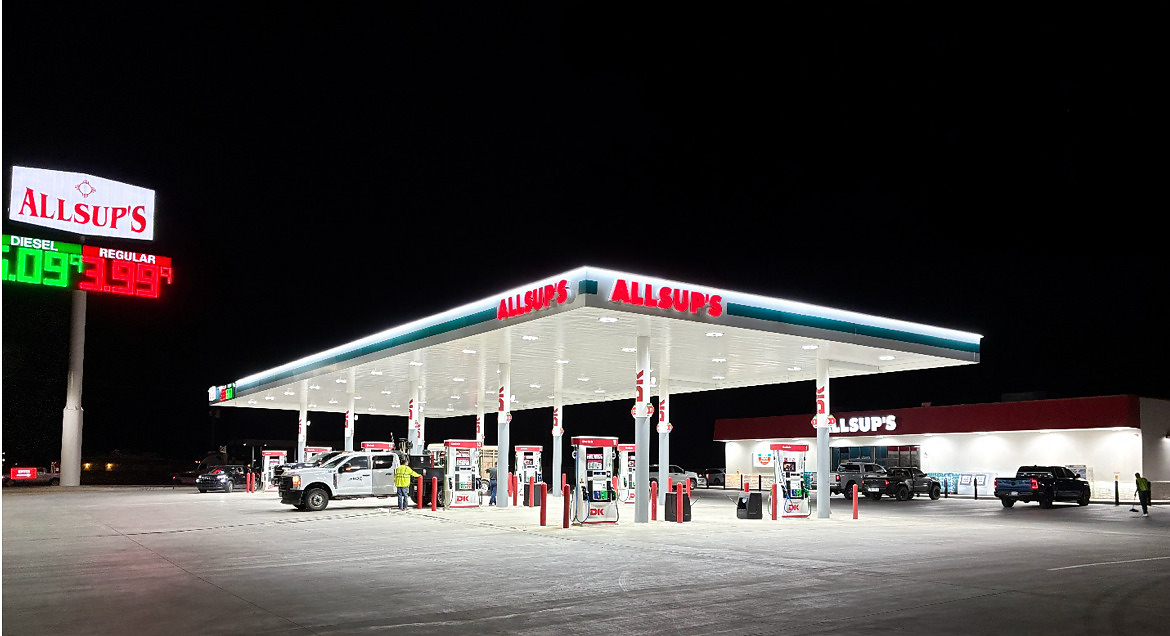
Yesway, Inc. (Nasdaq: YSWY) opened its 93rd new-to-industry Allsup's location in Odessa, Texas, on September 21, marking another milestone in one of the more disciplined convenience-store build programs in the Southwest. The 5,630-square-foot store at 16460 South Highway 385 runs 24 hours, anchored by the chain's flagship foodservice offer — the Allsup's World Famous Burrito — alongside Yesway private-label snacks, fresh grocery staples, and a full beer cave. For foodservice suppliers and c-store vendors tracking where new unit volume is actually being created, Yesway's pace of ground-up construction is worth watching.
The Odessa format is purpose-built for a high-traffic, mixed-use corridor: 10 multi-product fuel dispensers, five diesel lanes, and 11 truck parking spaces position the site squarely at the intersection of local convenience and professional-driver service. That dual-audience design — local residents plus long-haul truckers — drives a broader product mix than a standard forecourt play, creating pull for both everyday grocery categories and higher-margin foodservice SKUs.
Foodservice as the Differentiator
Yesway's expansion model leans heavily on proprietary foodservice to justify new construction costs and defend against fuel-price commoditization. The Allsup's deep-fried burrito functions as both a traffic driver and a brand identity marker — the kind of signature item that creates destination behavior in markets where competing c-stores offer largely undifferentiated center-store sets. As c-store operators across the foodservice and beverage category invest in hot-food programs, Yesway's ability to carry a legacy regional brand into new builds gives it a positioning shortcut that newer entrants typically have to buy through franchise agreements or expensive kitchen buildouts.
With 452 stores across Texas, New Mexico, South Dakota, Iowa, Kansas, Missouri, Wyoming, Oklahoma, and Nebraska, Yesway has constructed a meaningful Midwest-Southwest footprint in roughly a decade. The Odessa location is part of a continued push into the Texas Permian Basin, a region where energy-sector employment sustains above-average convenience and foodservice demand — and where truck-traffic density supports diesel volume that offsets lower-margin fuel categories.
What Operators Should Track
For suppliers, brokers, and vendors assessing where to focus distributor and retail placement energy, Yesway's build rate — roughly 18 to 19 new-to-industry stores per year over five years — represents a consistent, addressable pipeline. Private-label expansion (Yesway-branded snacks already appear in the Odessa set) signals that the company is actively managing margin through owned SKUs, which compresses space available to branded mid-tier CPG. Vendors without a clear price or format differentiation will face increasing pressure as Yesway's private-label portfolio matures.
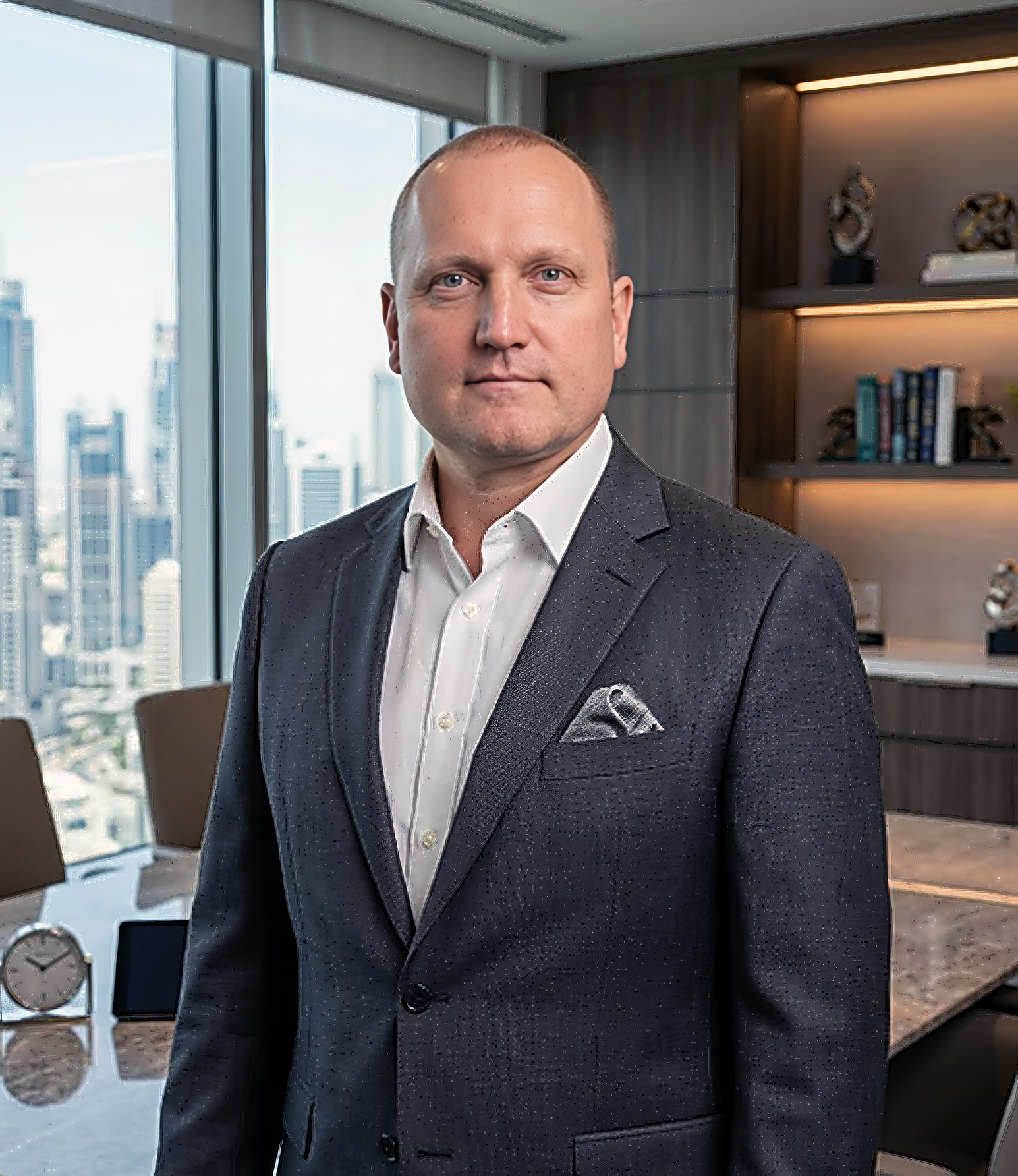
Tom Trkla, Chairman, President and Chief Executive Officer of Yesway, framed the Odessa investment as a community commitment, but the operational logic is straightforward: modern format, owned food IP, and high-frequency traffic mix. That combination is a template other regional c-store operators are watching — and one that foodservice equipment, packaging, and fresh-food suppliers should be actively pitching into as Yesway's pipeline continues.
Written by Michael Politz, Author of Guide to Restaurant Success: The Proven Process for Starting Any Restaurant Business From Scratch to Success (ISBN: 978-1-119-66896-1), Founder of Food & Beverage Magazine, the leading online magazine and resource in the industry. Designer of the Bluetooth logo and recognized in Entrepreneur Magazine's "Top 40 Under 40" for founding American Wholesale Floral, Politz is also the Co-founder of the Proof Awards and the CPG Awards and a partner in numerous consumer brands across the food and beverage sector.