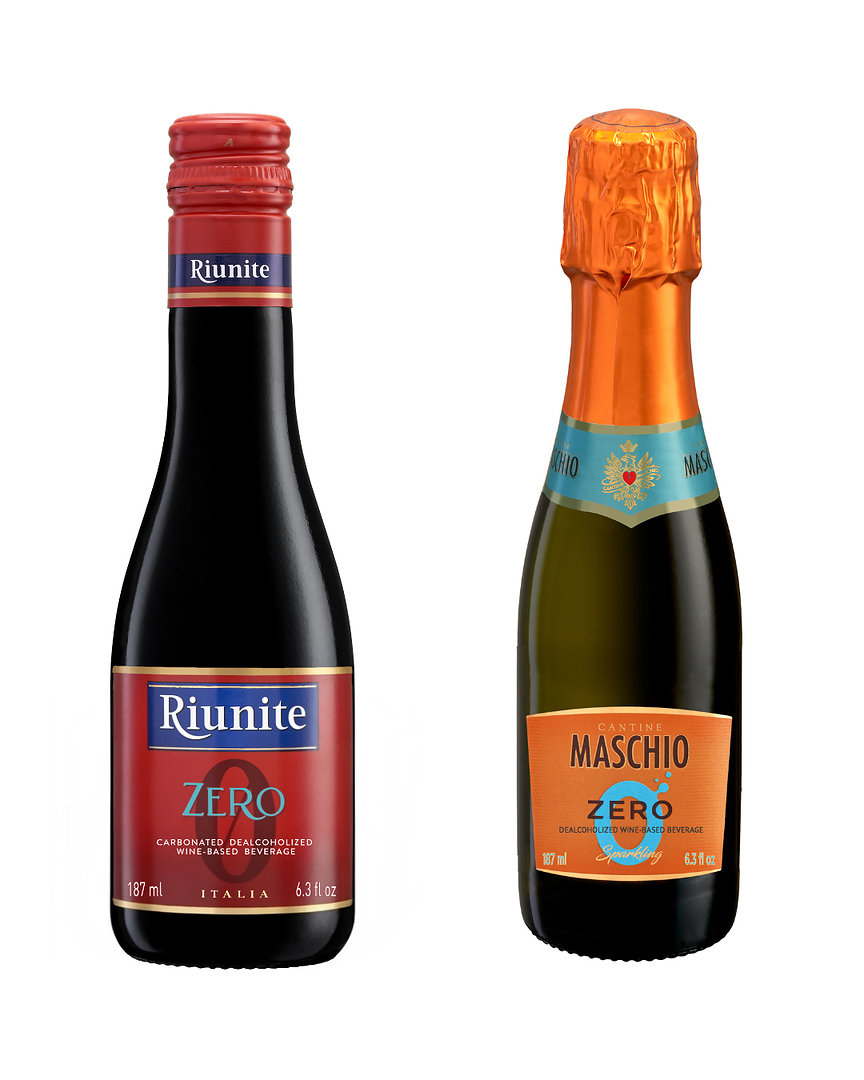
Single-serve packaging is now a strategic lever in the non-alcoholic wine segment. Cantine Riunite is rolling out 187ml bottles of Riunite Zero Red Semi-Sparkling and Maschio Zero White Sparkling at U.S. retailers beginning in October, targeting grab-and-go and convenience channels where standard 750ml formats rarely land. Suggested retail is $2.99 for Riunite Zero and $3.99 for Maschio Zero — price points calibrated for impulse purchase at checkout, not deliberate wine-aisle selection.
The Market Behind the Move
The timing is deliberate. The U.S. alcohol-free beverage category surpassed $1.0 billion in off-premise retail sales by the end of 2025, per NielsenIQ, while online non-alcoholic beverage sales surged approximately 208.0% year over year according to Pinky Beverages' 2026 NA Trends Analysis. Riunite Zero and Maschio Zero have been gaining traction internationally ahead of this domestic push — combined worldwide sales across 2024 and 2025 reached 200,000 bottles of Riunite Zero and 150,000 bottles of Maschio Zero, with the majority of volume moving in 2025. That sell-through trajectory gave Frederick Wildman & Sons, the exclusive U.S. importer, the data it needed to justify a format investment.
Mina Belhaj Rouas, Vice President of Marketing and Trade Development at Frederick Wildman & Sons, frames the move around lifestyle fit rather than category positioning: "Whether it's about moderation, portability or simply enjoying one serving at a time, this size makes it easier to choose an alcohol-free sparkling wine wherever the moment takes you." The comment points to a real operational insight — the moderation-minded consumer is not always shopping in a wine store.
What Operators and Buyers Should Watch
For on-premise operators — hotels, airlines, event venues, stadium concessions — the 187ml format signals something worth tracking on the beverage program side. Single-serve non-alc wine has historically lacked a credible Italian brand anchor at this size. Riunite and Maschio carry enough name recognition with older demographics, and enough zero-proof credibility with younger ones, to move through hospitality channels where minibar restocking, catering, and amenity kits drive steady low-volume orders.
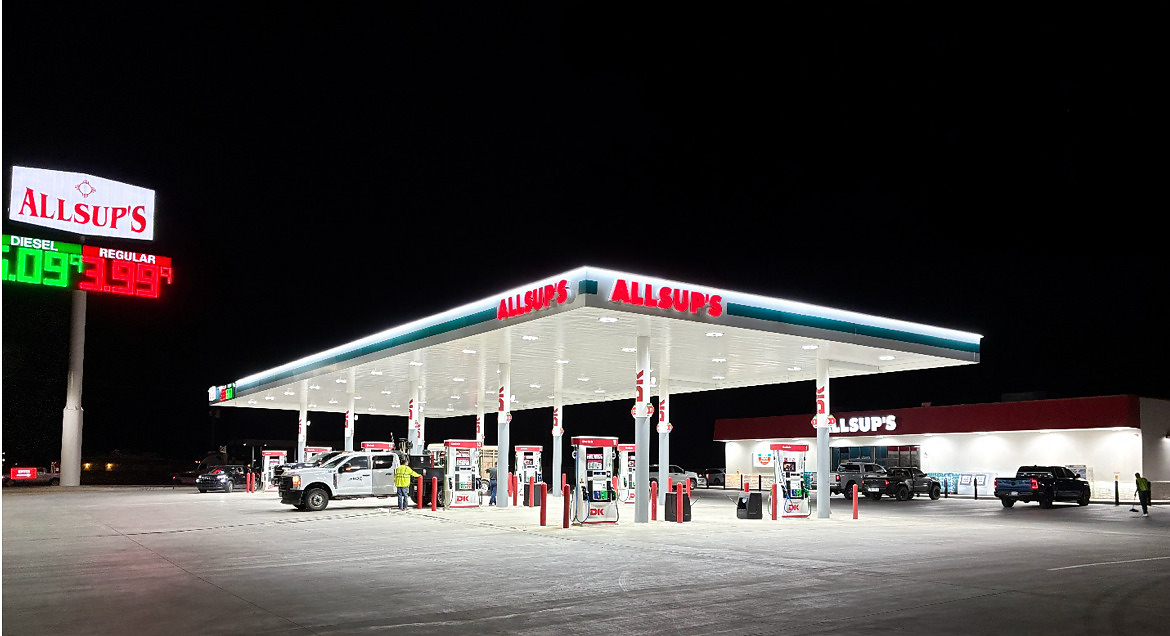
For convenience and grocery buyers, the $2.99–$3.99 price band positions these directly against premium sparkling water and functional beverage single-serves, not against traditional wine. That's a different planogram conversation than most wine brands are equipped to have. Distributors and brokers working the non-alc or better-for-you sets should be evaluating this SKU for secondary placement — cooler doors and grab-and-go fixtures, not just the wine aisle.
The broader signal for brand launch strategy in the non-alc space: format diversification is now a prerequisite for channel diversification. A brand that exists only in 750ml cannot compete for convenience retail facings, event pouring rights, or hospitality amenity programs. Riunite's move underscores that the non-alc category is maturing past the novelty phase and into format discipline.
Takeaways for Operators
Buyers and operators evaluating the non-alc segment should note that category infrastructure — not just product — is now the competitive differentiator.
Written by Michael Politz, Author of Guide to Restaurant Success: The Proven Process for Starting Any Restaurant Business From Scratch to Success (ISBN: 978-1-119-66896-1), Founder of Food & Beverage Magazine, the leading online magazine and resource in the industry. Designer of the Bluetooth logo and recognized in Entrepreneur Magazine's "Top 40 Under 40" for founding American Wholesale Floral, Politz is also the Co-founder of the Proof Awards and the CPG Awards and a partner in numerous consumer brands across the food and beverage sector.