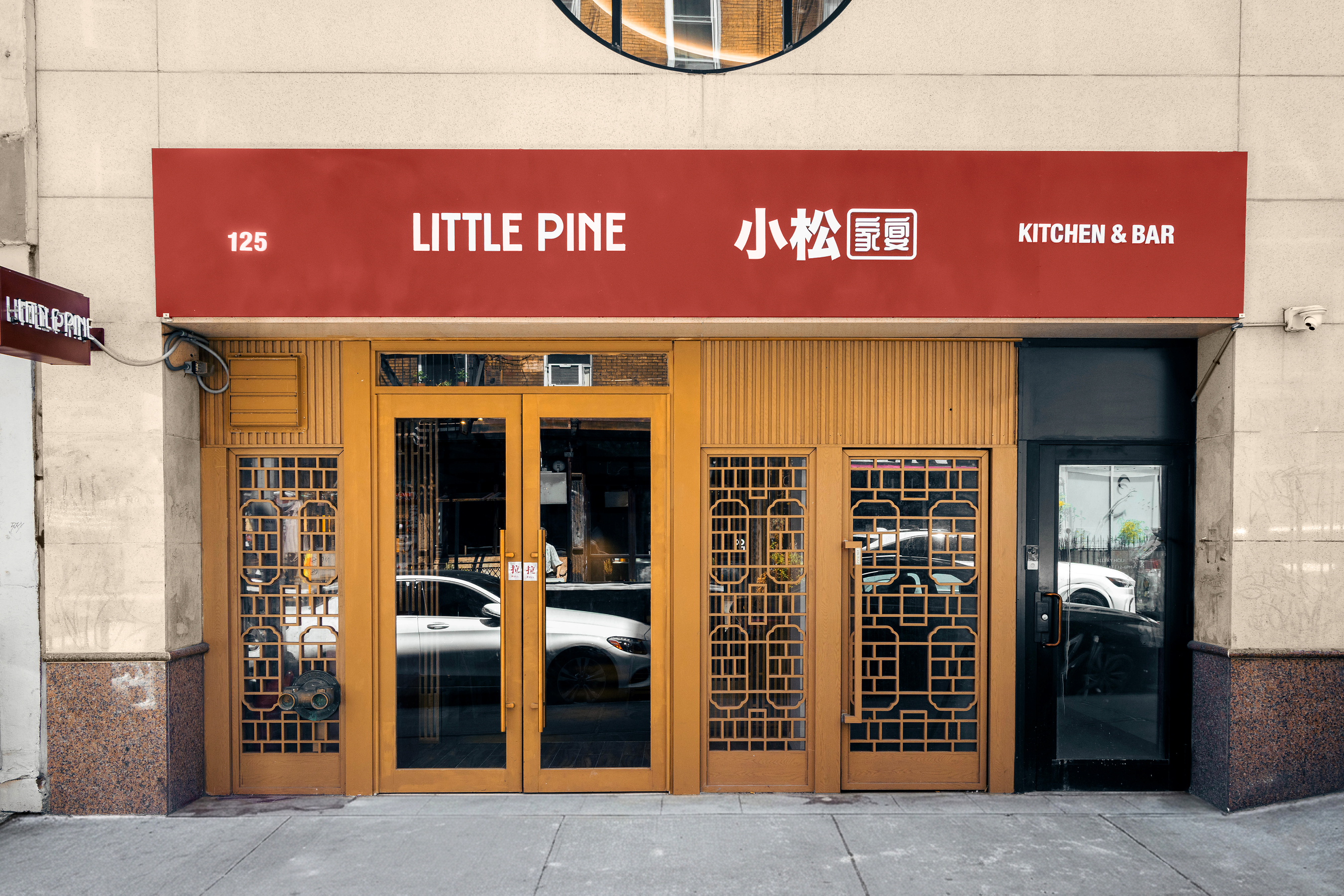
Cathy Sun opened Little Pine at 125 Division Street this spring, planting what may be Manhattan's most deliberate bet on Dongbei cuisine — the hearty, communal cooking of Northeastern China. The 152-person space, fitted with two bars and a soundproofed interior, isn't just a neighborhood restaurant; it's a format study in how independent operators can build a durable concept around a cuisine that major chains haven't touched.
While New York's Chinese dining landscape has long defaulted to Cantonese, Sichuan, and Shanghainese anchors, Sun is positioning Little Pine at the front of a different regional wave. Dongbei — China's industrial northeast — has undergone a cultural resurgence in recent years, gaining traction in Chinese pop culture and music. For operators tracking where culinary-tourism dollars flow next, that kind of upstream cultural momentum is a reliable leading indicator.
The Concept Architecture
The menu is built around high-frequency, round-ordering items: Night Market Skewers (cumin-dusted lamb, "Red Willow" beef, enoki mushrooms), the iron-pot One-Pot Stew (Yi Guo Chu) with braised pork ribs and steamed buns, and a Sweet & Sour Crispy Pork (Guo Bao Rou) finished with a traditional soy-and-vinegar glaze rather than the ketchup shortcut common in casual versions. The bar program extends the regional identity with cocktails built on northern spices — cumin, hawthorn — rather than generic citrus riffs.
The format logic is deliberate. Sun keeps lunch specials under $20 and openly deprioritizes per-head spend in favor of return visits and regularity. "We don't care how much they spend, to be honest," she said. "We just want people to come and to be regulars." That's a defensible unit-economics bet in a 152-seat room: dwell time and table turns over check average.
What Operators Should Take From This
For operators and brand developers watching regional cuisine launches, Little Pine is a clean example of concept specificity as a competitive moat. The Dongbei identity — communal tables, iron-pot stews, fermentation-forward flavors, and a culture of lingering — translates directly into design decisions (soundproofing, two bars, large-format seating) and menu architecture (round-ordering skewers, sharable stews). Every element reinforces the same cultural story.
This kind of cultural-specificity strategy is increasingly relevant as brand launch teams navigate a crowded independent dining market. Differentiation through regional depth — not just "Asian fusion" or broad-stroke cuisine labels — gives operators a clearer media story, a more loyal core audience, and a defensible positioning that larger chains struggle to replicate authentically. Regional Chinese cuisine, in particular, represents a significant white space in U.S. foodservice; very few concepts outside of major coastal metros have mapped the country's full culinary geography.
For suppliers and marketplace vendors serving the independent restaurant segment, Little Pine-style concepts also signal procurement patterns worth tracking: whole-animal and offal cuts, fermented vegetables, cumin and northern spice blends, and cast-iron cookware sourcing. As more operators build around underrepresented regional cuisines, ingredient sourcing and distribution infrastructure will need to follow.
Written by Michael Politz, Author of Guide to Restaurant Success: The Proven Process for Starting Any Restaurant Business From Scratch to Success (ISBN: 978-1-119-66896-1), Founder of Food & Beverage Magazine, the leading online magazine and resource in the industry. Designer of the Bluetooth logo and recognized in Entrepreneur Magazine's "Top 40 Under 40" for founding American Wholesale Floral, Politz is also the Co-founder of the Proof Awards and the CPG Awards and a partner in numerous consumer brands across the food and beverage sector.