The Move
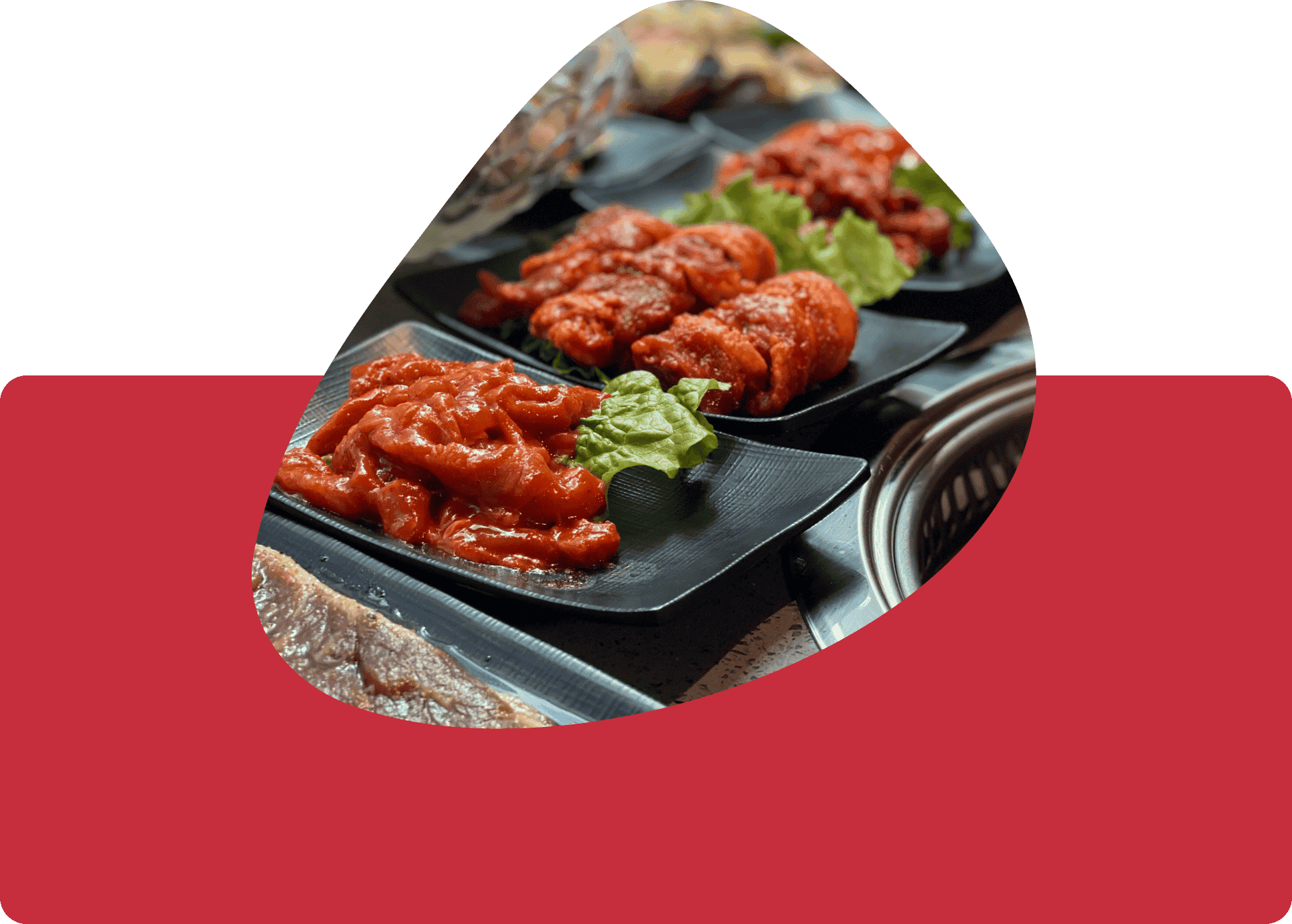
KPOT Korean BBQ & Hot Pot is introducing its first limited-time menu additions in more than four years — a deliberate, highly selective drop across all 170 of its U.S. locations. The four new items — Lemon Pepper Garlic Fish and Shrimp with Cilantro, Honey BBQ Pork Belly, Honey BBQ Garlic Chicken, and Cheesy Corn, plus an Herbal Thai Curry Soup base — were chosen specifically to complement, not disrupt, the brand's all-you-can-eat interactive format. For a concept that grew from 3 locations at the end of 2020 to 55 by end of 2023 and now sits at 170 units, that restraint is a calculated brand-protection move as much as a menu decision.
The LTO discipline stands out in a category where limited-time offers often arrive quarterly and lose urgency fast. KPOT's Vice President Victor Chow put the bar plainly: "Each one earned its place by complementing, not changing, the Korean BBQ and Hot Pot experience our guests know and love." That framing — additive, not corrective — tells operators something important about how the brand intends to scale without diluting the format that drove its growth.
What This Signals
For operators benchmarking menu strategy at scale, KPOT's approach is a useful data point. Concepts in the interactive dining segment — Korean BBQ, hot pot, shabu-shabu, Brazilian churrascaria — compete on format immersion as much as flavor. A poorly chosen LTO can break the choreography guests come for. KPOT's four-year gap between menu additions suggests the brand has been more focused on unit-level operational consistency during its aggressive expansion phase than on marketing-driven menu churn. With the 170-unit footprint now established, an LTO creates a system-wide traffic lever without requiring capital investment in new equipment or prep infrastructure — particularly relevant for franchise or multi-unit operators watching food cost and labor simultaneously.
The item mix also reflects current menu-trend intelligence. Cheesy Corn is a proven Korean BBQ pairing that has been building mainstream recognition through social channels for several years. The Thai Curry Soup base adds a Southeast Asian flavor lane that broadens the brand's appeal without straying outside the hot pot architecture. Honey BBQ profiles target familiarity for guests less fluent in Korean flavor codes — a deliberate accessibility play for secondary markets where the brand has been expanding.
Operator Takeaways
For multi-unit and emerging-concept operators watching how a high-growth interactive dining brand manages the tension between consistency and freshness, KPOT's LTO timing and item selection offer a replicable framework. The restraint is the strategy: when your format is the differentiator, the menu serves it rather than leads it. Vendors pitching LTO development, culinary R&D, or menu-engineering services to similar experiential concepts should take note of how tightly scoped the additions are — flavor-forward, operationally light, and architecturally compatible with existing prep flows.
Operators curious about how brands like KPOT are structuring menu strategy alongside rapid multi-unit growth can find additional context in our ongoing coverage of emerging chain velocity. For a broader look at how interactive dining concepts are navigating brand consistency at scale, the pattern KPOT is setting here deserves close attention.
Written by Michael Politz, Author of Guide to Restaurant Success: The Proven Process for Starting Any Restaurant Business From Scratch to Success (ISBN: 978-1-119-66896-1), Founder of Food & Beverage Magazine, the leading online magazine and resource in the industry. Designer of the Bluetooth logo and recognized in Entrepreneur Magazine's "Top 40 Under 40" for founding American Wholesale Floral, Politz is also the Co-founder of the Proof Awards and the CPG Awards and a partner in numerous consumer brands across the food and beverage sector.