The Numbers
Jones Soda Co. posted Q2 2026 net revenue of $10.2 million, a 107.8% increase over the $4.9 million it recorded in the same period a year earlier. Year-to-date revenue reached $22.6 million, up 147.7% versus $9.1 million through the first half of 2025. On the strength of those results, CEO Scott Harvey raised the company's full-year 2026 revenue growth expectation from approximately 60% to approximately 80%, placing full-year net revenue at a minimum of $45 million and adding a target of positive Adjusted EBITDA for the year.
The top-line surge is almost entirely IP-driven. Fallout-branded products sold through the club channel were the primary growth engine, with broker and royalty payments tied to those sales pushing selling and marketing expenses to $1.9 million for the quarter. Despite the higher spend, selling and marketing as a percentage of revenue actually fell to 18.7% from 21.7% in Q2 2025, and G&A as a share of revenue dropped sharply from 27.1% to 13.9% — a meaningful sign that the fixed cost base is scaling. One timing wrinkle: approximately $2 million of expected Q2 shipments shifted into Q3, which management says positions Q3 to be one of the strongest quarters in the company's history.
Margin & Channel Intelligence
Gross margin compressed 580 basis points to 27.5% from 33.3% a year ago, with elevated world oil prices cited as the primary driver of higher logistics costs. That is a pressure point operators across foodservice and beverage distribution are navigating simultaneously — fuel surcharges and carrier rate volatility have squeezed landed-cost calculations industry-wide through 2025 and into 2026. Jones Soda did complete a freight-lane RFP during Q2 that produced lower contract rates taking effect late in the quarter, a procurement move that should improve margin trajectory in H2. Beverage brands relying on DSD or club-channel distribution should be running similar RFP exercises now, as carrier overcapacity in some lanes is creating negotiating leverage not seen since 2020.
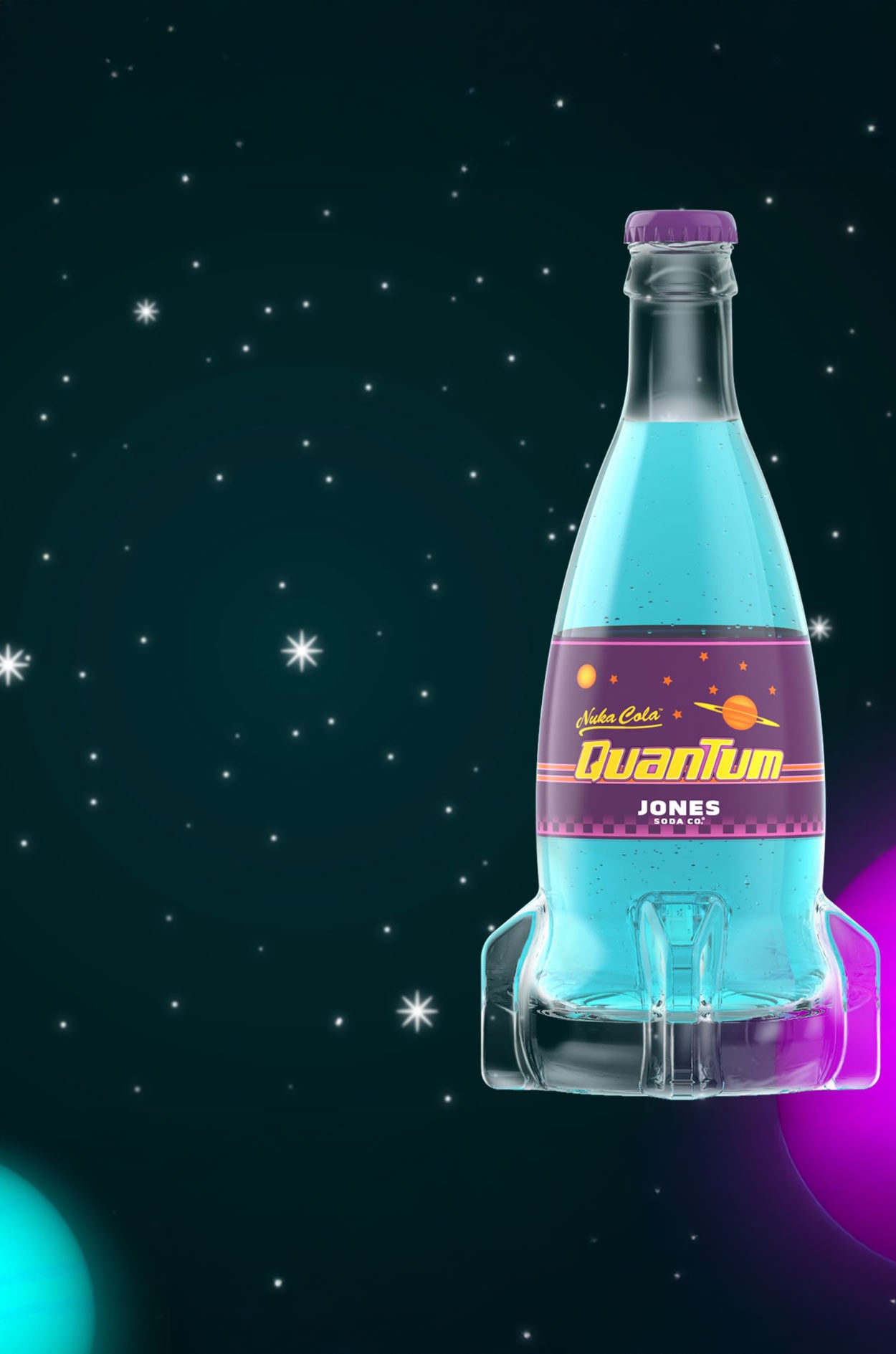
The Zero Sugar craft soda lineup expanded into Western Canada club stores during the quarter, and a second limited-edition Fallout Nuka Cola Quantum Rocket Bottle sold out again — a direct signal that scarcity-driven, fandom-oriented drops are generating genuine pull-through, not just slotting-fee placement. The Crayola x Jones collection also returned for the back-to-school window with a new Fruit Punch flavor, extending a retail-ready brand launch framework that stacks cultural relevance across multiple consumer segments simultaneously.
What Operators and Brand Builders Should Take Away
For beverage brands and operators evaluating licensed-IP collaborations as a growth lever, Jones Soda's results are a credible case study. The Fallout partnership demonstrably moved club-channel volume at scale. The next announced deal — a collaboration with Rap Snacks, the self-described Official Snack Brand of Hip Hop — is not expected to contribute revenue until fiscal 2027, but it signals the company is building a durable branded-collaboration platform rather than chasing one-off novelty. Buyers, distributors, and co-manufacturers watching this category should expect more craft beverage operators to pursue similar IP-licensing structures as a path to retail velocity without traditional marketing spend.
Liquidity remains a watch item. Cash stood at $2.4 million at June 30, down from $3.6 million at year-end 2025, and the company completed $1.9 million in aggregate private placement financing after quarter close to support working capital. For operators considering Jones Soda as a supplier or distribution partner, the freight-cost RFP outcome and the H2 shipment pipeline are the right indicators to track. The operator intelligence on beverage procurement shifts playing out in craft and better-for-you segments points to continued channel consolidation around brands that can demonstrate IP-backed velocity at club and alternative retail.
Written by Michael Politz, Author of Guide to Restaurant Success: The Proven Process for Starting Any Restaurant Business From Scratch to Success (ISBN: 978-1-119-66896-1), Founder of Food & Beverage Magazine, the leading online magazine and resource in the industry. Designer of the Bluetooth logo and recognized in Entrepreneur Magazine's "Top 40 Under 40" for founding American Wholesale Floral, Politz is also the Co-founder of the Proof Awards and the CPG Awards and a partner in numerous consumer brands across the food and beverage sector.