Instacart has acquired Arpalus, a computer vision company whose shelf intelligence technology was built specifically for grocery retail — a direct move to close the inventory accuracy gap that quietly undermines online order fulfillment across the industry.
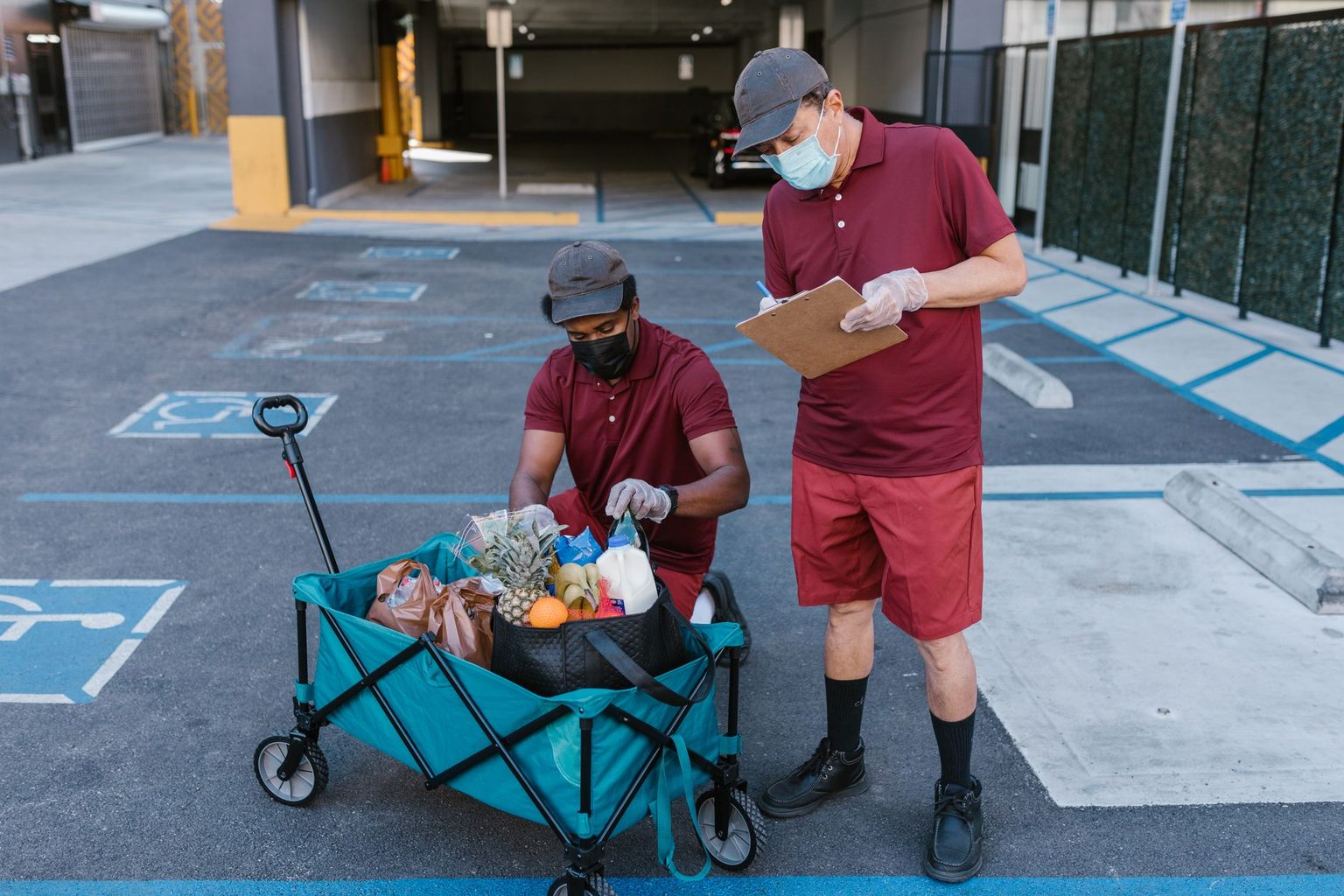
The core problem Arpalus solves is straightforward but costly: online grocery orders are only as accurate as the underlying inventory data. When a product is out of stock but the system doesn't know it, the result is a substitution the customer didn't want, a cancellation, or a delivery that chips away at repeat purchase behavior. For grocery retailers operating on Instacart's platform, those friction points compound at scale across thousands of SKUs and hundreds of store locations.
What Arpalus Brings
Arpalus uses computer vision — cameras and image-recognition models trained on retail shelf environments — to detect out-of-stocks, catalog gaps, and planogram deviations in real time. That data feeds into both ecommerce fulfillment workflows and in-store operations, giving retailers a live picture of what is actually on the shelf rather than what the inventory system believes is there. For Instacart's network of retail partners, this matters operationally: shoppers spend less time searching for substitutes, order accuracy improves, and the AI-driven shopping experiences Instacart has been building get better inputs to work from.
The acquisition extends Instacart's existing AI infrastructure, which the company has been scaling across its enterprise platform. The shelf intelligence layer addresses a gap that pure software solutions — demand forecasting, catalog management, algorithmic substitution — cannot fully close without ground-truth visibility at the physical shelf.
Intelligence Signal for Operators
For grocery operators and CPG brands distributing through digital channels, this deal signals where the competitive pressure is moving. Inventory accuracy is no longer a back-office metric; it is a customer experience variable that drives conversion, retention, and ad spend efficiency. Brands running retail media campaigns on platforms like Instacart's Carrot Ads are effectively wasting impressions when promoted products are out of stock and undetected. Better shelf intelligence tightens that loop.
Vendors and technology partners working in the grocery and foodservice supply chain should watch how Instacart integrates Arpalus into its retailer-facing tools. If computer vision shelf-scanning becomes a standard component of the enterprise platform, it raises the bar for what retail partners expect from any fulfillment technology stack — and creates a procurement decision point for operators evaluating third-party solutions in this space.
For a broader view on where AI procurement intelligence is heading in foodservice and grocery, see our coverage of AI tools reshaping operator procurement decisions and what grocery tech investments signal for food and beverage brands.
Written by Michael Politz, Author of Guide to Restaurant Success: The Proven Process for Starting Any Restaurant Business From Scratch to Success (ISBN: 978-1-119-66896-1), Founder of Food & Beverage Magazine, the leading online magazine and resource in the industry. Designer of the Bluetooth logo and recognized in Entrepreneur Magazine's "Top 40 Under 40" for founding American Wholesale Floral, Politz is also the Co-founder of the Proof Awards and the CPG Awards and a partner in numerous consumer brands across the food and beverage sector.