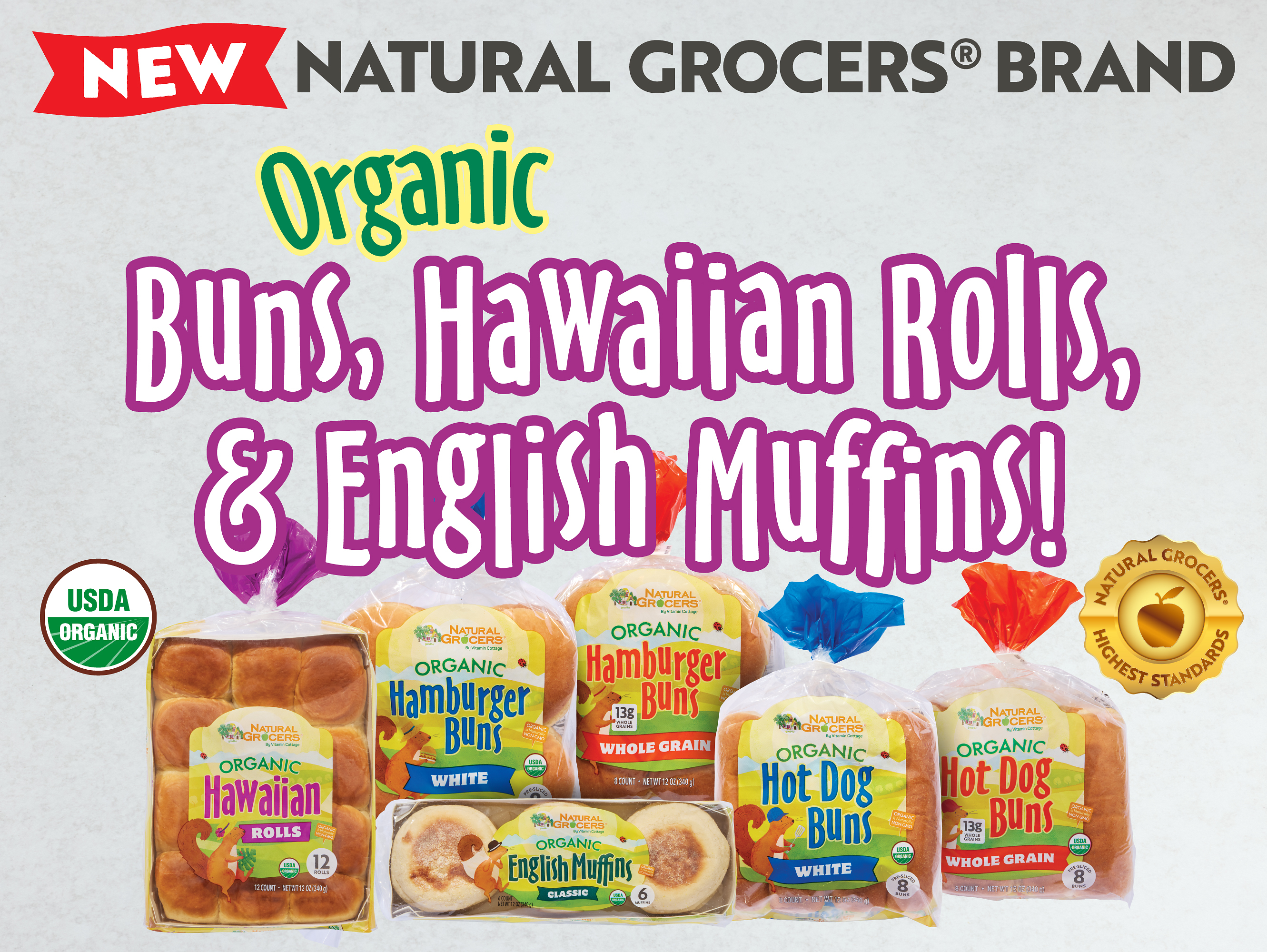
Natural Grocers by Vitamin Cottage is adding six SKUs to its private-label bread lineup, the chain confirmed this week — a move that underscores how natural-and-organic retailers are using house brands to capture margin while anchoring category authority. The new Natural Grocers Brand Organic Breads include Organic English Muffins, Organic Hawaiian Rolls, and Organic Hamburger and Hot Dog Buns in both white and whole grain options. All six are certified organic, non-GMO, and kosher.
Why the Category Matters
Bakery staples — buns, rolls, English muffins — are high-frequency, high-basket items. For a family-operated chain competing against both conventional grocery and specialty natural retailers, owning that occasion with a controlled-label product means better margin than branded placement and stronger shopper loyalty data. Private-label penetration in the organic grocery segment has accelerated meaningfully over the past three years as consumers remain price-conscious even within premium channels. A well-positioned house bread program positions Natural Grocers to compete on both value and certification credibility simultaneously.
The SKU selection is deliberate. English muffins, Hawaiian rolls, and hot dog and hamburger buns collectively cover breakfast, entertaining, and everyday dinner occasions — the same meal windows that drive repeat store visits. Offering white and whole grain variants within the bun line reduces the risk of losing the health-leaning shopper to a branded alternative while still serving the broader household. That dual-format strategy is increasingly common among natural grocers looking to maximize private-label shelf efficiency without proliferating SKU count beyond what a focused category set demands.
What Operators and Buyers Should Watch
For foodservice operators and hospitality procurement teams sourcing organic bakery, this launch is a useful benchmark. Natural Grocers' ability to bring certified organic, non-GMO buns to retail private label at scale suggests that ingredient costs and supply chain constraints in this segment have stabilized enough to make the economics viable. Operators negotiating organic bakery contracts — particularly for burger programs, breakfast menus, or catering packages — should use that as a reference point when evaluating supplier pricing. If a major retail chain can make the margin math work on house-brand organic buns, foodservice distributors and co-manufacturers serving this segment are likely operating with more pricing flexibility than they may be presenting.
For brands and suppliers competing in the organic bakery space, retail private-label expansion from a chain of Natural Grocers' scale narrows branded shelf space at that channel and raises the bar on what a branded SKU must deliver in differentiation — whether that is heritage grain sourcing, regional identity, or a specific functional claim. Brands without a clear answer to "why choose us over the store brand" will feel that squeeze acutely.
Operators building or refreshing a brand in the organic or clean-label bakery space should review how private-label expansion affects retail readiness strategy before approaching buyers. And procurement teams tracking organic ingredient pricing trends will find additional context in our operator intelligence coverage of food cost trends.
Takeaways for Operators
Written by Michael Politz, Author of Guide to Restaurant Success: The Proven Process for Starting Any Restaurant Business From Scratch to Success (ISBN: 978-1-119-66896-1), Founder of Food & Beverage Magazine, the leading online magazine and resource in the industry. Designer of the Bluetooth logo and recognized in Entrepreneur Magazine's "Top 40 Under 40" for founding American Wholesale Floral, Politz is also the Co-founder of the Proof Awards and the CPG Awards and a partner in numerous consumer brands across the food and beverage sector.