The beverage market is experiencing a measurable shift: consumers are not abandoning social drinking rituals, but they are redefining what they want from them. They seek moments that feel social and celebratory, yet they increasingly demand drinks aligned with more intentional lifestyles. This consumer move creates a direct business opportunity for foodservice operators and retail buyers willing to meet it.
Gigli enters this space with a product strategy built on hospitality fundamentals rather than novelty. The brand's cocktail-inspired THC beverages—formulated with real fruit juice and hemp-derived THC—target a specific consumer pain point: the desire for a premium drinking experience without the downsides of traditional alcohol. For operators, this translates into menu differentiation. For retailers, it represents shelf space with clear consumer appeal and margin potential.
Clear Business Positioning Across Channels
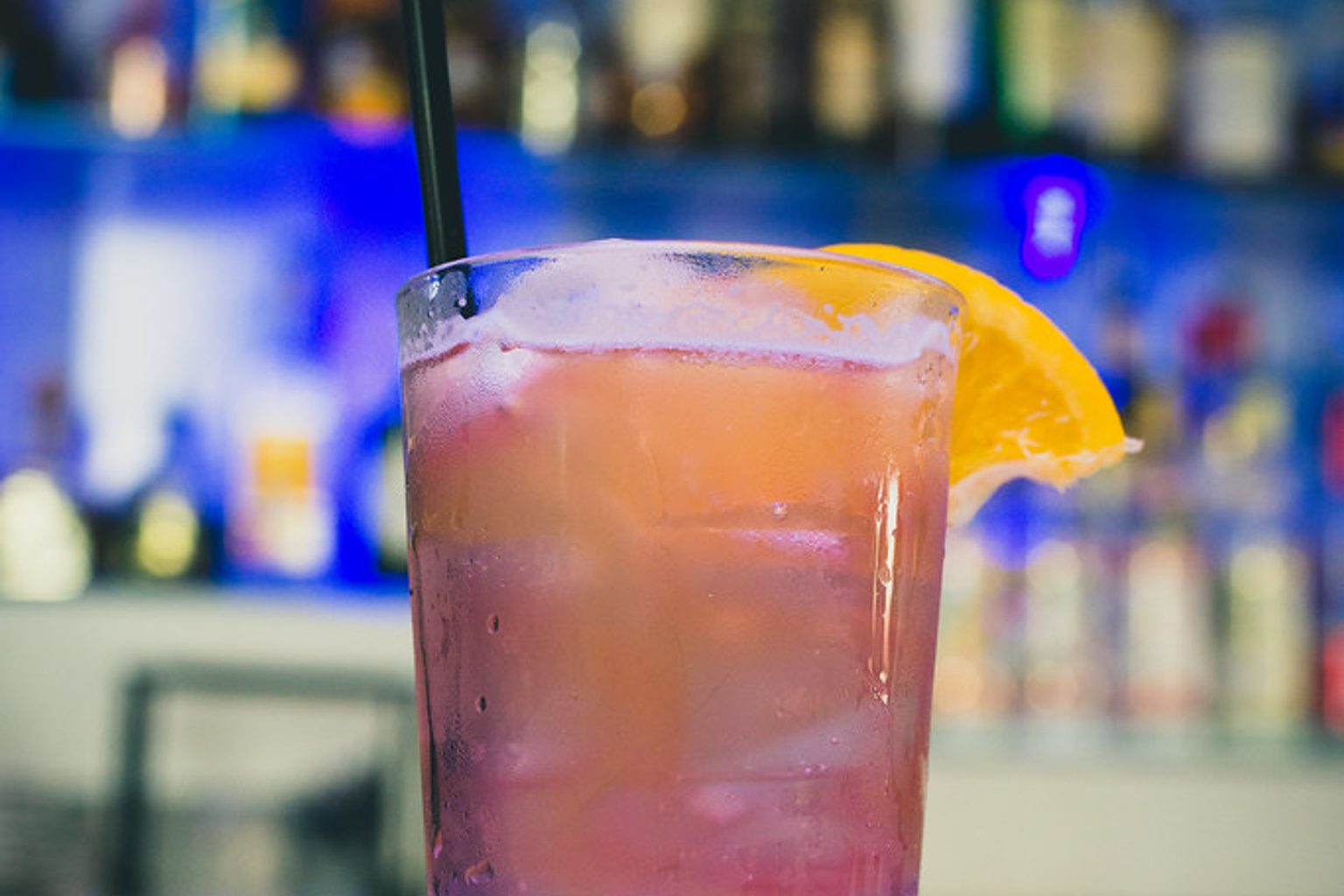
The product lineup is strategically focused. The Blood Orange Margarita delivers bright citrus complexity that feels refined yet approachable. The Pineapple Mojito provides tropical character with a clean finish. The Raspberry Mule combines crisp berry notes with familiar cocktail structure and contemporary positioning. These are not gimmick flavors—they are designed to earn menu placement, retail shelf space, and repeat purchases.
For foodservice operators, the business case is straightforward. Guests increasingly expect beverage programs that reflect lifestyle preferences without sacrificing quality or experience. Gigli allows restaurants, bars, resorts, and hospitality venues to expand their offerings with a contemporary, premium product that is easy to merchandise and explain. In an industry where differentiation drives traffic and guest spending, that versatility creates tangible value.
Retail buyers face similar dynamics. The THC beverage category continues expanding as consumers explore formats that combine enjoyment with wellness messaging. Gigli's cocktail-inspired positioning, clean flavor identity, and approachable branding make it shelf-ready—products with clear visual identity and simple consumer messaging typically drive stronger trial rates and repeat velocity. In crowded retail environments, that translates into faster inventory turns and stronger performance against competing beverage lines.
Portfolio Depth Increases Customer Touchpoints
Gigli's broader portfolio—THC seltzers, fruit punches, gummies, and chocolates—multiplies distribution and consumption occasions. For operators managing multiple dayparts and customer segments, a diversified portfolio allows for broader menu integration. For retailers, range extension provides assortment depth that encourages larger basket purchases and allows buyers to position multiple SKUs across different shelf sets. That kind of portfolio strategy directly impacts profit margins and category performance metrics.
The structural opportunity here reflects a broader market reality. Contemporary consumers view wellness and indulgence as complementary, not contradictory. They want drinking experiences that feel lighter, smarter, and better integrated into their daily routines. The brands capturing this shift are the ones that reject the false choice between pleasure and practicality—and that positioning directly benefits distribution partners and operators seeking products that resonate with actual consumer behavior rather than assumptions about it.
What Gigli delivers operationally is important: a product that feels current without feeling disposable, elevated without feeling inaccessible, and relevant to consumer trends already underway. For hospitality partners and retailers, that means a brand that can support menu innovation, attract new customer segments, and hold its own in competitive markets where beverage differentiation increasingly drives venue selection and retail basket size.
The business takeaway is direct. Gigli does not replace traditional beverage categories—it refines consumer options and captures emerging demand. For operators and retailers, that means a product with clear growth trajectory, consumer appeal, and relevance to how your customers actually want to drink. In a category where margin and market share matter, that represents genuine competitive advantage.