Hormel Foods has signed a definitive agreement to acquire Brakebush Brothers, LLC for approximately $1.055 billion, folding a century-old, family-owned chicken processor into its Foodservice segment. The deal is expected to close in the first quarter of Hormel's fiscal 2027, pending regulatory review. For foodservice operators, the takeaway is straightforward: one of your most established further-processed chicken suppliers is about to be backed by a Fortune 500 balance sheet and a significantly expanded direct sales organization.
Scale and Scope
Brakebush generated approximately $1.2 billion in net sales over the trailing twelve months and operates five production facilities across Wisconsin, North Carolina, Texas, Minnesota, and Georgia, plus two R&D labs. The company is non-vertically integrated, meaning it has spent its 100-year history optimizing the further-processing and customer-relationship side of the chicken supply chain rather than owning live production. That focus built a customer base spanning national and regional operators — the kind of depth that takes decades to replicate organically. Hormel, which already runs a substantial Foodservice business through brands like Jennie-O and Hormel Natural Choice, gains immediate category scale in a protein segment that has consistently outpaced beef and pork in foodservice volume growth.
What It Signals for Operators
For procurement teams and multi-unit operators, a deal of this size reshuffles the competitive landscape for value-added chicken. Hormel expects to report Brakebush results inside its Foodservice segment and is projecting earnings-per-share accretion beginning in fiscal 2028 — a signal that near-term pricing discipline matters to the combined entity. The addition of Brakebush's direct sales force to Hormel's existing infrastructure means operators can expect a more integrated pitch on protein solutions across dayparts, rather than two separate vendor conversations. John Ghingo, Hormel's president and chief executive officer-elect, framed it explicitly: the acquisition is intended to bring "additional scale, expertise and customer reach" to the Foodservice platform.
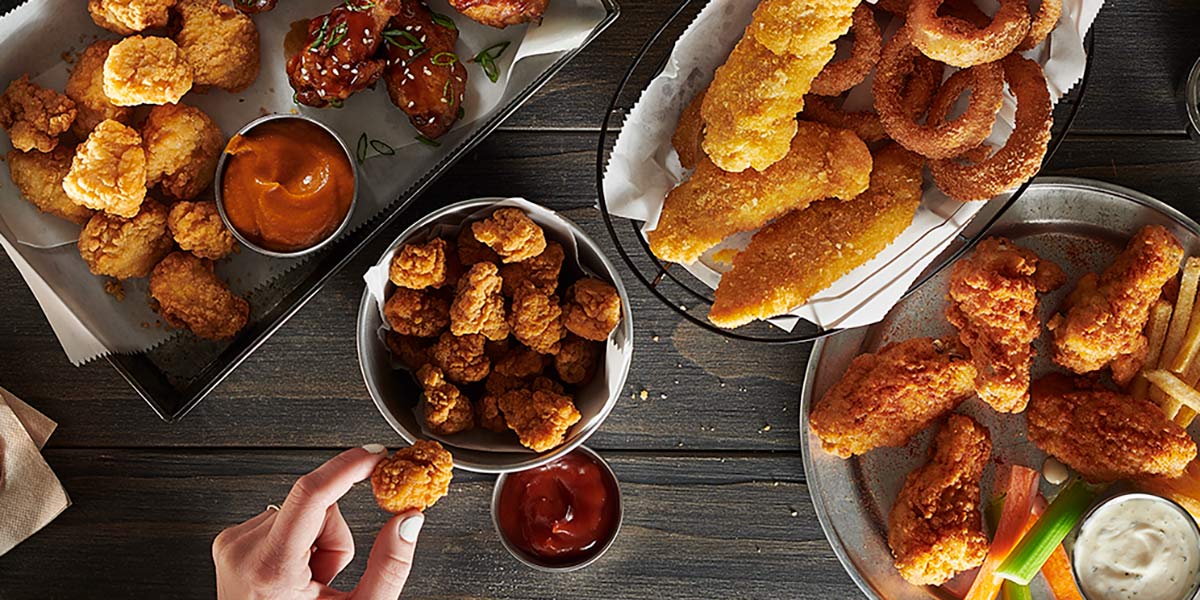
On the supply-chain side, operators sourcing further-processed chicken — breaded tenders, nuggets, par-fry items — should monitor contract renewal timelines. Acquisitions of this scale typically trigger a 12-to-18-month integration window during which sales team structures, SKU rationalization, and distribution agreements get reassessed. Locking in favorable pricing or distribution terms ahead of that window is a reasonable defensive move. This acquisition also reinforces a broader consolidation trend in value-added protein: as category pricing intelligence shows, buyers with scale are moving to control more of the further-processing layer rather than cede it to independent specialists.
Procurement Timing
Hormel has stated publicly it expects operational synergies and enhanced cash flows from the combined business, which implies some rationalization of overlapping SKUs or distribution routes is likely. Foodservice distributors and broadline partners should anticipate conversations about streamlined ordering systems and possibly consolidated account management. For regional operators who have long-standing direct relationships with Brakebush's sales team, maintaining those contacts through the integration period is practical due diligence — personnel continuity is never guaranteed post-close in deals of this size. Operators who want a deeper read on how major protein supplier consolidations have historically affected menu pricing and contract terms can reference our coverage of protein supply shifts.
With over $12 billion in annual revenue across more than 80 countries, Hormel has the financial infrastructure to absorb Brakebush without disrupting current customer-facing operations — but integration timelines have a way of creating short-term service variability. Proactive communication with your Brakebush sales rep before the Q1 2027 close date is the most actionable step procurement teams can take right now.
Written by Michael Politz, Author of Guide to Restaurant Success: The Proven Process for Starting Any Restaurant Business From Scratch to Success (ISBN: 978-1-119-66896-1), Founder of Food & Beverage Magazine, the leading online magazine and resource in the industry. Designer of the Bluetooth logo and recognized in Entrepreneur Magazine's "Top 40 Under 40" for founding American Wholesale Floral, Politz is also the Co-founder of the Proof Awards and the CPG Awards and a partner in numerous consumer brands across the food and beverage sector.