The Leadership Moves
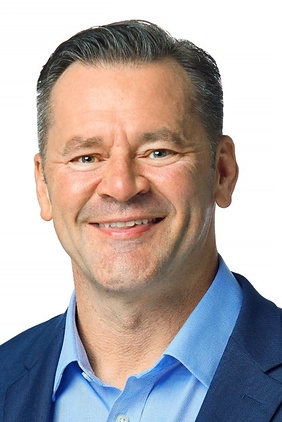
Hormel Foods Corporation has promoted Dr. Aaron Asmus to vice president of Research and Development while simultaneously hiring Lisa Selk as vice president of growth and innovation within the same R&D organization. Both appointments take effect October 26, 2026. The dual move is notable because Hormel is not just filling a vacancy — it is creating a distinct consumer-facing innovation layer inside a function that has historically centered on technical and regulatory work.
Asmus will lead the full R&D organization and report to Dr. Kevin Myers, senior vice president of R&D and food safety and quality. Selk reports directly to Asmus and owns the connective tissue between consumer insights, brand strategy, and new product commercialization. John Ghingo, president and CEO-elect of Hormel Foods, credited Selk's background spanning consumer insights and brand leadership as the differentiator for the role.
What This Signals for Suppliers and Operators
For foodservice operators and retail buyers, the structural change matters more than the titles. Hormel — whose portfolio includes SPAM, SKIPPY, APPLEGATE, JENNIE-O, COLUMBUS, and PLANTERS across a company generating over $12 billion in annual revenue — is explicitly wiring consumer behavior data into its R&D decision-making. That means ingredient suppliers, co-manufacturers, and packaging vendors can expect procurement conversations to arrive with stronger consumer-demand rationale and faster go/no-go timelines on new SKUs.
The creation of a dedicated growth-and-innovation VP role also mirrors moves made across major CPG companies over the past 18 months, as brands attempt to shorten the distance between trend identification and shelf placement. For operators sourcing from Hormel's foodservice channels, a more agile innovation pipeline could mean faster access to on-trend proteins and formats — or more frequent limited-time-offer product pitches tied to consumer insight cycles.
What Buyers and Brand Partners Should Watch
Selk's mandate — connecting R&D to consumers and to Hormel's own brand portfolio — suggests the company is positioning its innovation function as a growth lever, not just a cost-control mechanism. That framing has real implications for operators evaluating long-term supplier partnerships: companies investing in structured consumer-insight-to-commercialization pipelines tend to deliver more predictable product roadmaps and more defensible pricing rationale during contract negotiations.
For agencies and brand consultants working in the foodservice and retail food space, Hormel's structural move is a reminder that large CPG manufacturers are internalizing capabilities — consumer insights, innovation strategy, brand connection — that were previously distributed across external partners. Operators relying on Hormel as a key supplier should request updated product pipeline briefings in early 2027 once the new leadership structure is fully operational.
Written by Michael Politz, Author of Guide to Restaurant Success: The Proven Process for Starting Any Restaurant Business From Scratch to Success (ISBN: 978-1-119-66896-1), Founder of Food & Beverage Magazine, the leading online magazine and resource in the industry. Designer of the Bluetooth logo and recognized in Entrepreneur Magazine's "Top 40 Under 40" for founding American Wholesale Floral, Politz is also the Co-founder of the Proof Awards and the CPG Awards and a partner in numerous consumer brands across the food and beverage sector.