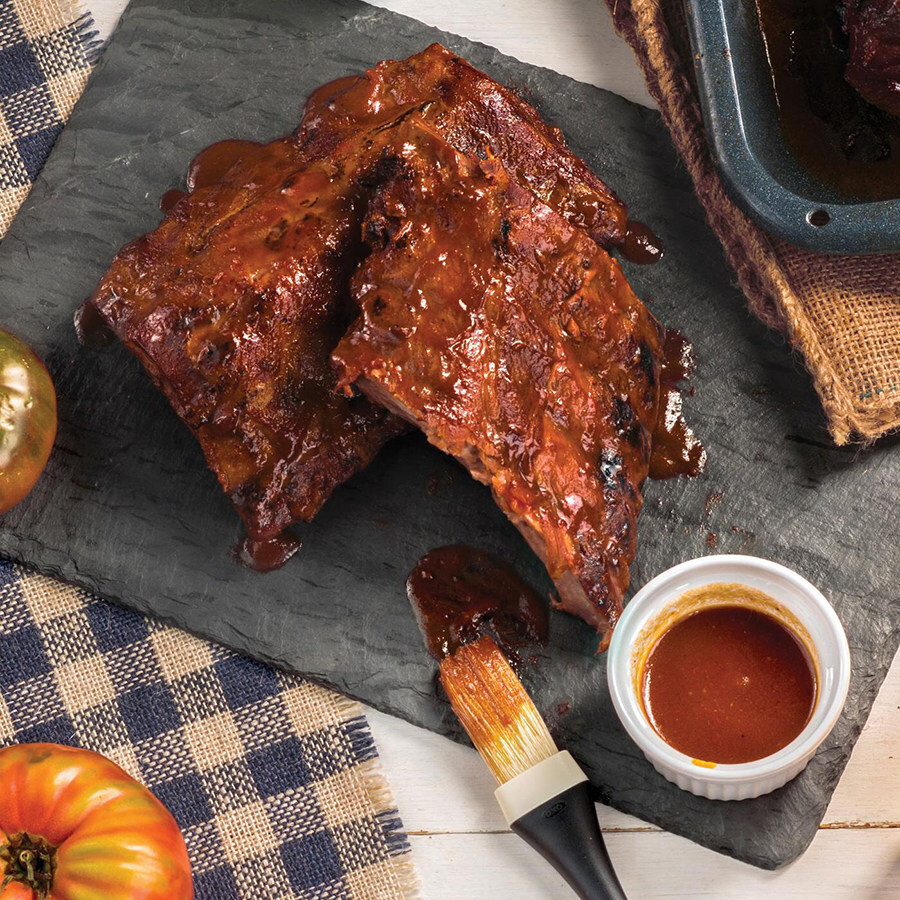
The Honey Baked Ham Company is stepping deliberately into summer with a Fourth of July push anchored around its BBQ Baby Back Ribs — positioning the product as a grill-free solution for hosts who want crowd-pleasing output without the labor. For a brand built on Easter and Christmas, the July 4th activation represents a calculated attempt to widen its purchase occasion calendar and reduce the revenue concentration risk that comes with two-holiday dependency.
For food operators, retailers, and brand marketers watching occasion-based selling, this is a familiar but increasingly urgent playbook. Seasonal food brands that historically peak in Q4 and Q1 are under pressure to find credible summer entry points. The "no grill required" framing is not just a consumer convenience message — it is a direct response to the reality that a growing share of urban and apartment-dwelling consumers either lack grill access or simply won't use one. Brands that solve for occasion friction, not just flavor, are consistently winning repeat purchase in the prepared foods and meal-kit corridors.
From a brand-launch and retail-readiness perspective, HoneyBaked's move is worth studying for its channel logic. The company operates a direct-to-consumer model through its own retail locations and e-commerce, which gives it flexibility to test occasion-specific SKUs without negotiating shelf space resets with grocery buyers. That DTC infrastructure also means the brand captures the full margin on a $30–$60 impulse purchase that might otherwise route through a third-party retailer. Brands considering similar seasonal pivots should audit their own distribution model before investing in occasion marketing that their channel can't efficiently fulfill.
The intelligence signal here is about calendar strategy as much as product. Operators running catering programs, ghost kitchens, or prepared foods lines should note that the July 4th window is becoming more competitive as packaged and DTC food brands lean in with convenience messaging. If your operation serves summer events, corporate picnics, or holiday catering, you are now competing not just with other restaurants but with brands like HoneyBaked that are explicitly marketing to the "effortless host" who might have previously called a caterer. Understanding how food brands are repositioning against foodservice operators is part of reading the current competitive landscape accurately.
The practical takeaway for operators: occasion extension is a growth lever, but it only works when the product credibility is already established. HoneyBaked has decades of "trusted quality" brand equity to borrow against when entering summer. If you are building a brand or advising one, the sequencing matters — own your core occasion deeply before asking consumers to follow you into a new one.
Written by Michael Politz, Author of Guide to Restaurant Success: The Proven Process for Starting Any Restaurant Business From Scratch to Success (ISBN: 978-1-119-66896-1), Founder of Food & Beverage Magazine, the leading online magazine and resource in the industry. Designer of the Bluetooth logo and recognized in Entrepreneur Magazine's "Top 40 Under 40" for founding American Wholesale Floral, Politz is also the Co-founder of the Proof Awards and the CPG Awards and a partner in numerous consumer brands across the food and beverage sector.