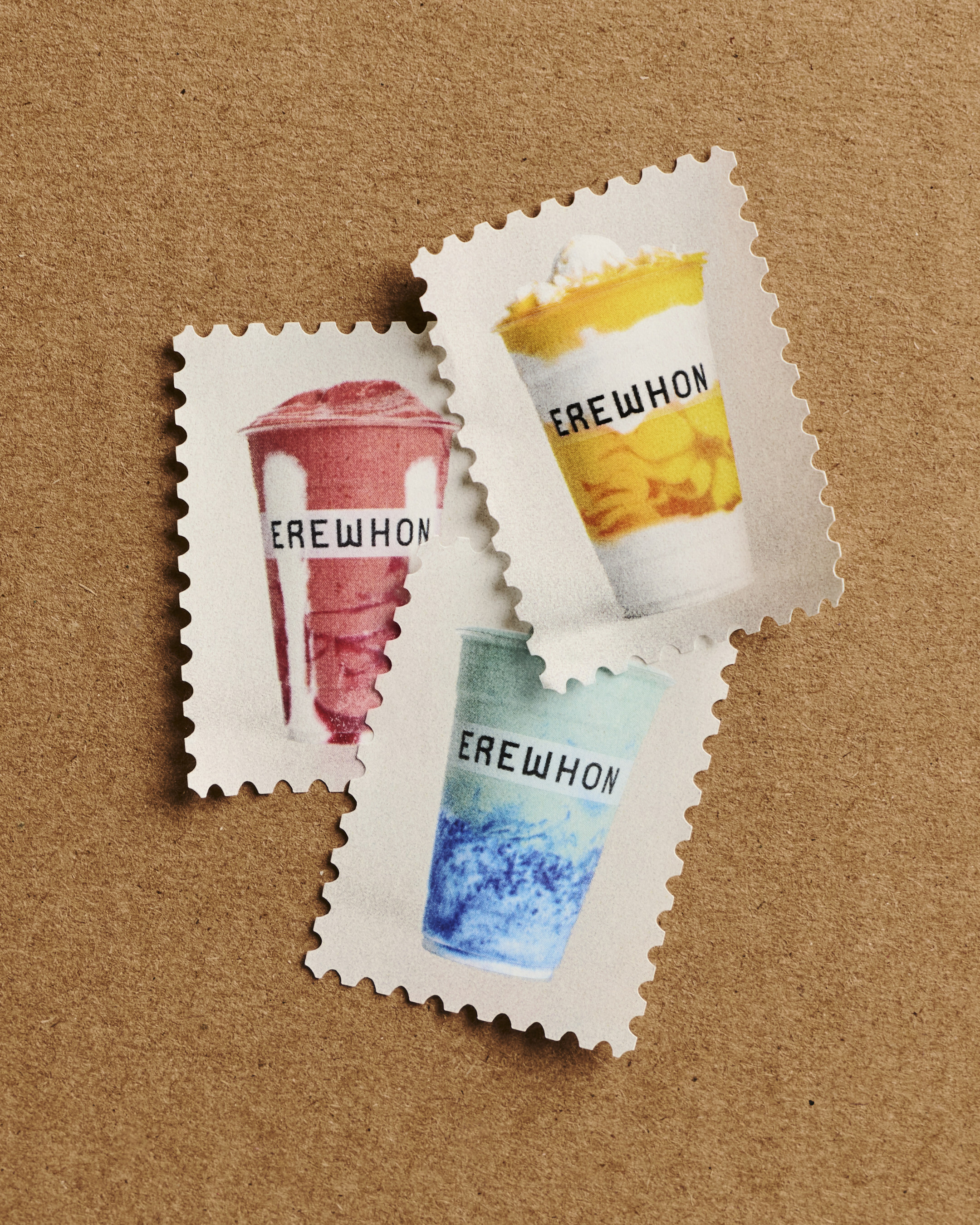
Erewhon Market is adding the Malibu Mango Smoothie Kit to its growing lineup of nationally shipped Smoothie Kits, making it the third Tonic Bar recipe the Los Angeles grocer has packaged for at-home preparation. The kits ship across the United States, converting one of the brand's most experiential in-store touchpoints into a repeatable DTC product.
The Retail Expansion Play
For operators and brand strategists watching premium grocery, the move is less about mango and more about distribution architecture. Erewhon has built its identity almost entirely on in-store theater — the Tonic Bar, the celebrity collaborations, the sensory environment. Packaging that ritual into a kit that ships nationwide is a disciplined move to extend brand equity beyond its California footprint without opening new locations. It is also a data play: every kit order yields a direct customer relationship, purchase frequency data, and a retargeting audience that a physical-only grocery operation cannot easily build.
The broader category context supports the timing. Better-for-you beverage kits and at-home wellness formats have held shelf space in specialty retail and online marketplaces well past pandemic-era pantry loading. Consumers who discovered premium smoothie culture through influencer content — and Erewhon's Tonic Bar has generated substantial organic social volume — represent a pre-qualified audience for exactly this kind of continuity product.
What Buyers and Vendors Should Watch
For food and beverage brands evaluating DTC or retail-kit formats, Erewhon's rollout cadence is instructive. Three kits launched sequentially allows the brand to test logistics, cold-chain packaging, and customer repurchase behavior with limited SKU risk. Each launch also generates a distinct press cycle, extending earned media value across months rather than compressing it into a single product drop.
Suppliers and co-manufacturers in the frozen or fresh-format beverage space should note that Erewhon is effectively proving retail-kit viability for high-price-point wellness products. If the Smoothie Kit line continues to expand, it creates a credible benchmark for other premium grocery brands — regional chains, hotel spa brands, and wellness-forward foodservice operators — that are weighing similar launches.
Distribution partners and e-commerce fulfillment vendors serving the specialty grocery segment should also track the shipping model. Nationwide cold-chain for a premium consumable at Erewhon's price tier requires infrastructure that most single-location operators cannot justify alone — but brands with strong media identities and built-in demand can clear that hurdle faster than the unit economics would otherwise suggest.
The Intelligence Takeaway
For operators building or advising brands in the premium beverage space, the Erewhon Smoothie Kit expansion is a clear signal that brand-launch strategy is increasingly inseparable from DTC growth infrastructure. The brands winning in this environment are those that treat a physical product launch as the first chapter of a customer acquisition funnel, not the final deliverable. Erewhon is doing exactly that — and the Malibu Mango Kit is the next chapter.
Written by Michael Politz, Author of Guide to Restaurant Success: The Proven Process for Starting Any Restaurant Business From Scratch to Success (ISBN: 978-1-119-66896-1), Founder of Food & Beverage Magazine, the leading online magazine and resource in the industry. Designer of the Bluetooth logo and recognized in Entrepreneur Magazine's "Top 40 Under 40" for founding American Wholesale Floral, Politz is also the Co-founder of the Proof Awards and the CPG Awards and a partner in numerous consumer brands across the food and beverage sector.