The business strategy driving Velas Resorts' culinary investments is reshaping how luxury hospitality operators think about food and beverage programs. By positioning Michelin-starred gastronomy as a core competitive asset rather than a supporting amenity, the group has demonstrated a fundamentally different approach to resort economics—one that positions restaurants as destination venues capable of generating independent revenue and attracting guests specifically for the dining experience.
This strategy crystallized when Cocina de Autor in Los Cabos earned Michelin recognition, validating what Velas leadership has been executing: the ability to compete at the highest levels of contemporary gastronomy while operating within the luxury hospitality sector. A recent special engagement at Grand Velas Riviera Nayarit, where the Michelin-starred culinary team from Cocina de Autor Los Cabos took over Piaf for an exclusive tasting dinner, illustrated how the group is leveraging this capability across its portfolio to drive occupancy, pricing power, and brand differentiation.
Translating Culinary Credentials Into Business Value
The evening served as a case study in how culinary excellence translates to operational and financial impact. Under Michelin-starred leadership, Cocina de Autor has built its reputation on interpreting Mexican ingredients through a contemporary global lens while remaining deeply connected to the country's agricultural traditions and culinary heritage. This positioning—authentic yet innovative, local yet globally sophisticated—creates multiple revenue streams: premium dining experiences, destination marketing appeal, and elevated average check sizes across the resort's F&B operations.
The menu progression demonstrated the operational discipline that supports this economics. From the opening courses, the kitchen established a thoughtful dialogue between tradition and innovation. Escamoles, one of Mexico's most historic delicacies, were paired with avocado, habanero, cilantro, and corn masa—a composition that honored cultural significance while presenting modern refinement. The accompanying cocktail, built around tequila reposado, St-Germain, Damiana, citrus, and tonic, reflected the same balance that would characterize the evening as a whole, demonstrating how ingredient-driven storytelling supports premium pricing.
That commitment to ingredient sourcing and preparation continued throughout. Royal Osetra caviar arrived alongside blue abalone, cauliflower, kaffir lime, and crème fraîche, demonstrating the restraint that distinguishes kitchens capable of commanding top-tier pricing. Rather than relying on luxury ingredients for spectacle, the dish emphasized texture, balance, and nuance—the hallmarks of operations that justify their cost structure.
Building Sustainable Competitive Differentiation
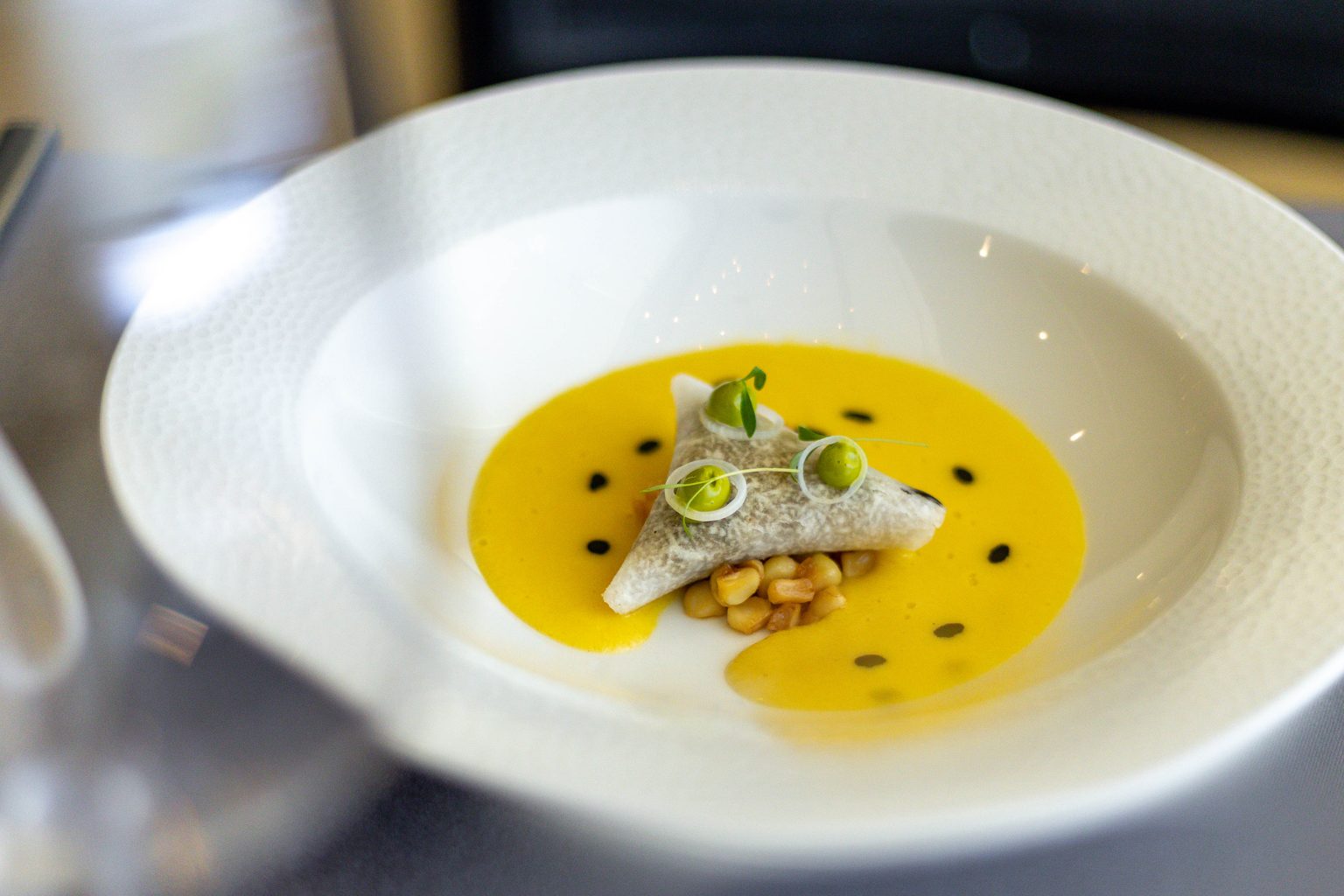
The menu's most strategic moments emerged when the chefs highlighted ingredients deeply rooted in Mexican culinary identity, a positioning that creates authentic storytelling for marketing and guest communication. Bluefin tuna paired with hoja santa, manzano chile, cured radish, and nixtamal showcased how traditional flavors, approached through contemporary frameworks, appeal to increasingly sophisticated diners. The yellow corn velouté with shiitake mushroom, pecan, and jicama transformed a foundational ingredient into an elegant course, reminding operators that some of the most compelling dining experiences—and the ones commanding premium pricing—are those that elevate tradition rather than distance themselves from it.
As the progression continued through wagyu tartar, Casa Madero wine pairings, and triple-seared Angus tenderloin, the broader business implications became clear. This was not a visiting-chef dinner designed to generate short-term publicity. Rather, it represented a hospitality group's sustained commitment to placing culinary excellence at the center of its brand identity and revenue model. For an industry where food programs are typically positioned as supporting amenities, Velas Resorts has instead invested in creating restaurants capable of operating as independent profit centers within the fine-dining conversation.
That strategic commitment has helped redefine expectations for luxury resort dining economics in Mexico and beyond. The Michelin-starred dinner at Piaf demonstrated both the execution capability of the Cocina de Autor Los Cabos team and the financial and operational strength of a larger vision: one in which exceptional hospitality and world-class gastronomy are no longer separate pursuits, but integrated components of a sustainable, revenue-driving business model.