The Channel Move
Frankie's Organic Snacks, the family-owned, Laval-based oven-baked Puffcorn brand, launched on Amazon U.S. on Aug. 28 with 15-count multipacks of individually packaged 0.5-ounce bags in White Cheddar and Himalayan Pink Salt — both priced at $14.99. The timing is deliberate: it follows the brand's recent expansion into more than 500 Target stores and Target.com, and it introduces a format — snack-size multipacks — that retail partners don't currently carry. The White Cheddar Puffcorn multipack is exclusive to Amazon.
For operators and brand-launch teams watching emerging CPG, the structure here is worth unpacking. Frankie's is not using Amazon as a fallback channel; it's using it as a format-differentiation play. By keeping the multipack exclusive to Amazon while retail carries full-size bags, the brand avoids direct channel conflict and gives each distribution arm a distinct reason to exist in a shopper's cart.
Seasonal SKU Strategy
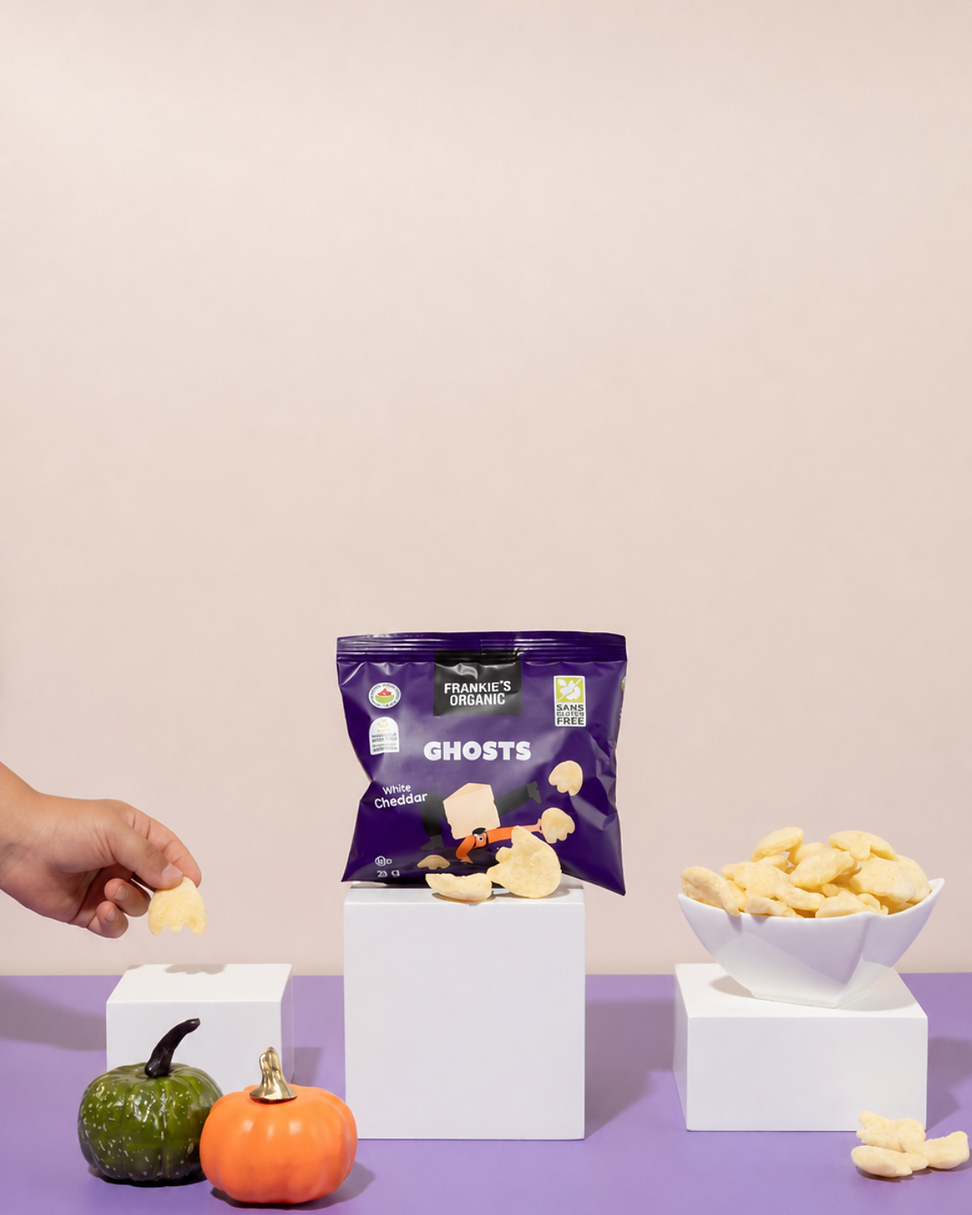
Layered onto the core Amazon launch is the return of White Cheddar Ghost Puffs, a Halloween limited edition now in its second year with wider distribution. The ghost-shaped puffs carry the same USDA Organic, Certified Gluten-Free, non-GMO credentials as the core line and will also be available on Thrive Market through the fall. Matthew Bordonaro, vice president of sales at Frankie's Organic Snacks, noted that the seasonal item performed well enough in year one to warrant a broader rollout: "Limited-edition products give us room to have fun with the brand while creating something new for consumers to discover."
Seasonal SKUs serve a dual function for emerging brands: they generate press and retailer attention without requiring a permanent slot commitment, and they test consumer appetite for new formats or flavors at controlled inventory risk. For a brand operating in more than 5,000 Canadian locations and now scaling U.S. retail, that kind of low-friction innovation ladder matters.
What It Signals for Buyers and Vendors
The Frankie's playbook — anchor in mass retail, extend reach via Amazon with an exclusive format, activate seasonal demand through specialty channels like Thrive Market — reflects a distribution sequencing model that emerging organic snack brands are increasingly adopting. It threads between the capital intensity of full retail rollouts and the margin compression of Amazon-first strategies.
For food brokers, retail-readiness consultants, and channel strategists working with emerging CPG brands, this is a clean case study in coordinated channel architecture. Each touchpoint — Target for mass trial, Amazon for convenience repurchase, Thrive Market for the premium-organic shopper — addresses a distinct consumer occasion without cannibalization.
For brands still consolidating their distribution and launch strategy, the Frankie's model also underscores the value of format exclusivity as a negotiating tool: giving Amazon something retail doesn't carry reduces buyer friction and creates a cleaner data story for each channel's velocity metrics.
Written by Michael Politz, Author of Guide to Restaurant Success: The Proven Process for Starting Any Restaurant Business From Scratch to Success (ISBN: 978-1-119-66896-1), Founder of Food & Beverage Magazine, the leading online magazine and resource in the industry. Designer of the Bluetooth logo and recognized in Entrepreneur Magazine's "Top 40 Under 40" for founding American Wholesale Floral, Politz is also the Co-founder of the Proof Awards and the CPG Awards and a partner in numerous consumer brands across the food and beverage sector.