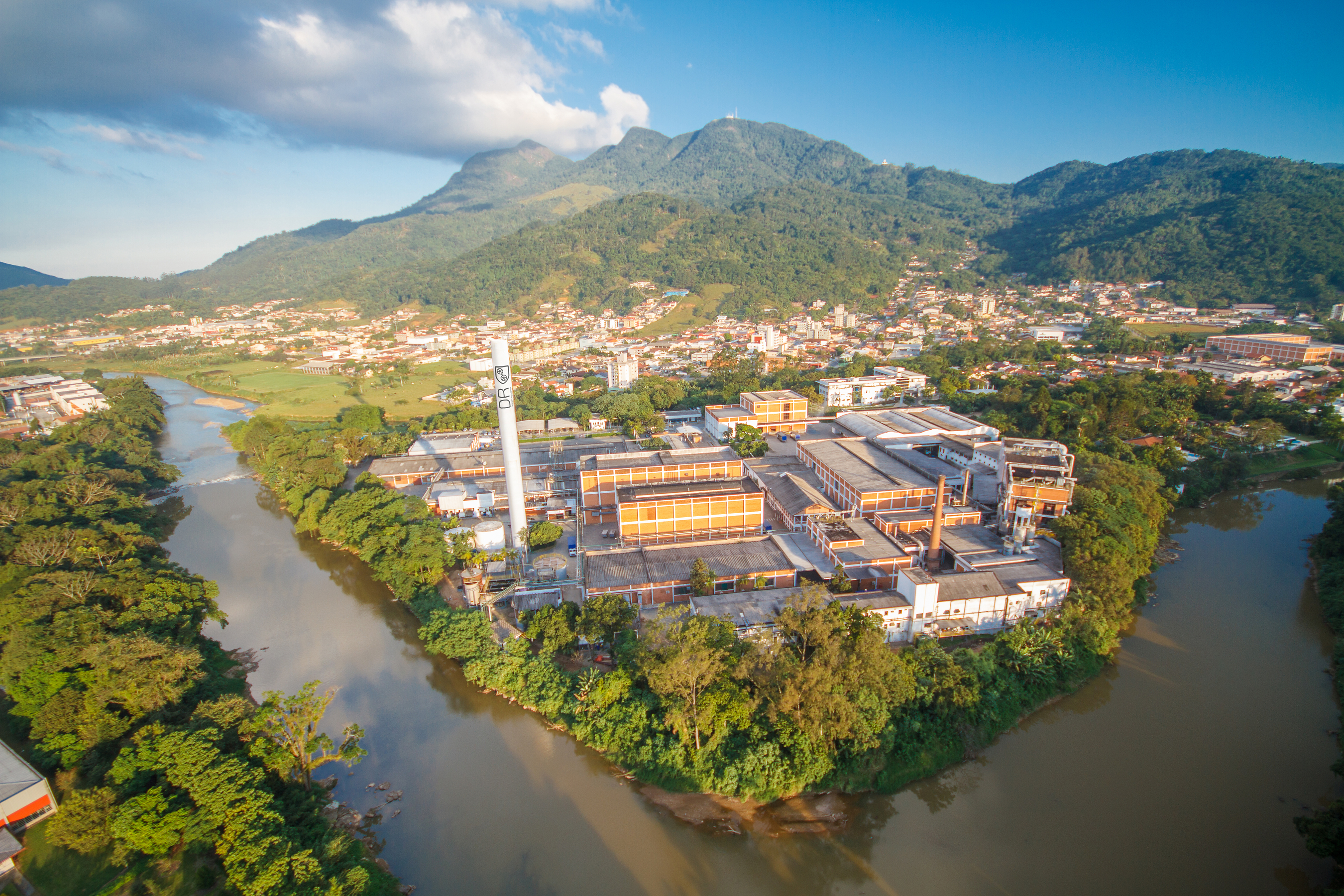
A century-old Brazilian ingredient company is leaning hard into the natural and functional demand wave, and the timing is deliberately export-facing. DR Flavors & Ingredients, founded in Jaraguá do Sul, Brazil in 1925, is positioning its standardized botanical extracts — guarana, acerola, and yerba mate — as ready-to-spec solutions for beverage, food, and supplement formulators across more than 70 markets. For procurement and R&D teams sourcing functional ingredients right now, the pitch is consistency and traceability at scale.
The Portfolio Specifics
The three lead ingredients each carry a performance argument worth understanding. Guarana, native to the Amazon and naturally rich in caffeine and theobromine, is available in liquid and powder form, with caffeine concentrations up to 30%. DR claims Brazil's largest installed capacity for liquid guarana extract production — a meaningful supply-security signal for brands that have experienced category shortages. The acerola line, branded Vitamin-Ace®, includes carrier-free powders standardized at up to 40% natural vitamin C; the company asserts Vitamin-Ace®40 is the only such ingredient globally at that concentration. Yerba mate rounds out the offering through the MateActive portfolio, with green and roasted extracts standardized for both natural caffeine and chlorogenic acids — an increasingly relevant dual-function claim for RTD and energy-adjacent formats.
What Operators and Buyers Should Watch
The natural claims market is not softening. According to the International Food Information Council, 41.0% of Americans reported seeking "natural" label claims when purchasing food and beverages in 2025. That consumer pull is colliding with a formulator reality: sourcing botanical extracts with batch-to-batch consistency is genuinely difficult, and standardization is where most mid-tier suppliers fall short. DR's vertical integration — managing acerola from crop sourcing through extraction and standardization — is the kind of supply-chain architecture that earns preferred-vendor status with large CPG buyers and contract manufacturers alike.
For brands building functional beverage or supplement SKUs targeting the energy and immunity aisles, the certification stack matters as much as the ingredient itself. DR operates under FSSC 22000 and holds Kosher, Halal, and Organic certifications, which reduces the compliance legwork for brands pursuing multi-channel retail distribution. The company's sales offices in the United States, China, and Poland suggest it is actively pursuing regional distributor and co-manufacturer relationships, not just direct export deals.
Intelligence for Procurement Teams
Operators and brand launch teams evaluating a natural-caffeine or vitamin-C claim should treat this centennial announcement as a sourcing conversation opener rather than a product launch. DR's six manufacturing facilities and six R&D centers give it redundancy that single-origin or single-plant suppliers cannot match — a procurement advantage that becomes especially visible during supply disruptions. The growing competition in botanical extracts from Southeast Asian suppliers makes Brazilian-origin, Amazon-native ingredients a differentiation story, particularly in premium and on-trend functional formats.
For operators in food and beverage who have watched guarana and yerba mate migrate from niche to mainstream energy drink formulations, the standardization capability — not just the raw ingredient — is the actual product being sold here.
Written by Michael Politz, Author of Guide to Restaurant Success: The Proven Process for Starting Any Restaurant Business From Scratch to Success (ISBN: 978-1-119-66896-1), Founder of Food & Beverage Magazine, the leading online magazine and resource in the industry. Designer of the Bluetooth logo and recognized in Entrepreneur Magazine's "Top 40 Under 40" for founding American Wholesale Floral, Politz is also the Co-founder of the Proof Awards and the CPG Awards and a partner in numerous consumer brands across the food and beverage sector.