The Cousins Maine Lobster Dallas food truck rolls into El Paso, Albuquerque, Taos, Rio Rancho, Los Alamos, and Santa Fe from October 5 through October 11 — a deliberate market-sensing move dressed as a fan event. For franchise operators and brand strategists watching the fast-casual seafood segment, the mechanics matter as much as the menu.
The Route Logic
Each of the seven stops is anchored to an existing community magnet: regional breweries like Gravity Bound Brewing Company and Bathtub Row Brewing Co-op, plus a Tractor Supply Co. in Taos. That venue selection is not accidental. Partnering with local taprooms and destination retail generates a built-in crowd, reduces site-activation cost to near zero, and lets the franchisee read foot traffic, ticket averages, and brand-awareness lift in markets where no permanent unit exists. It is a low-overhead demand test that most emerging franchise systems cannot afford to skip.
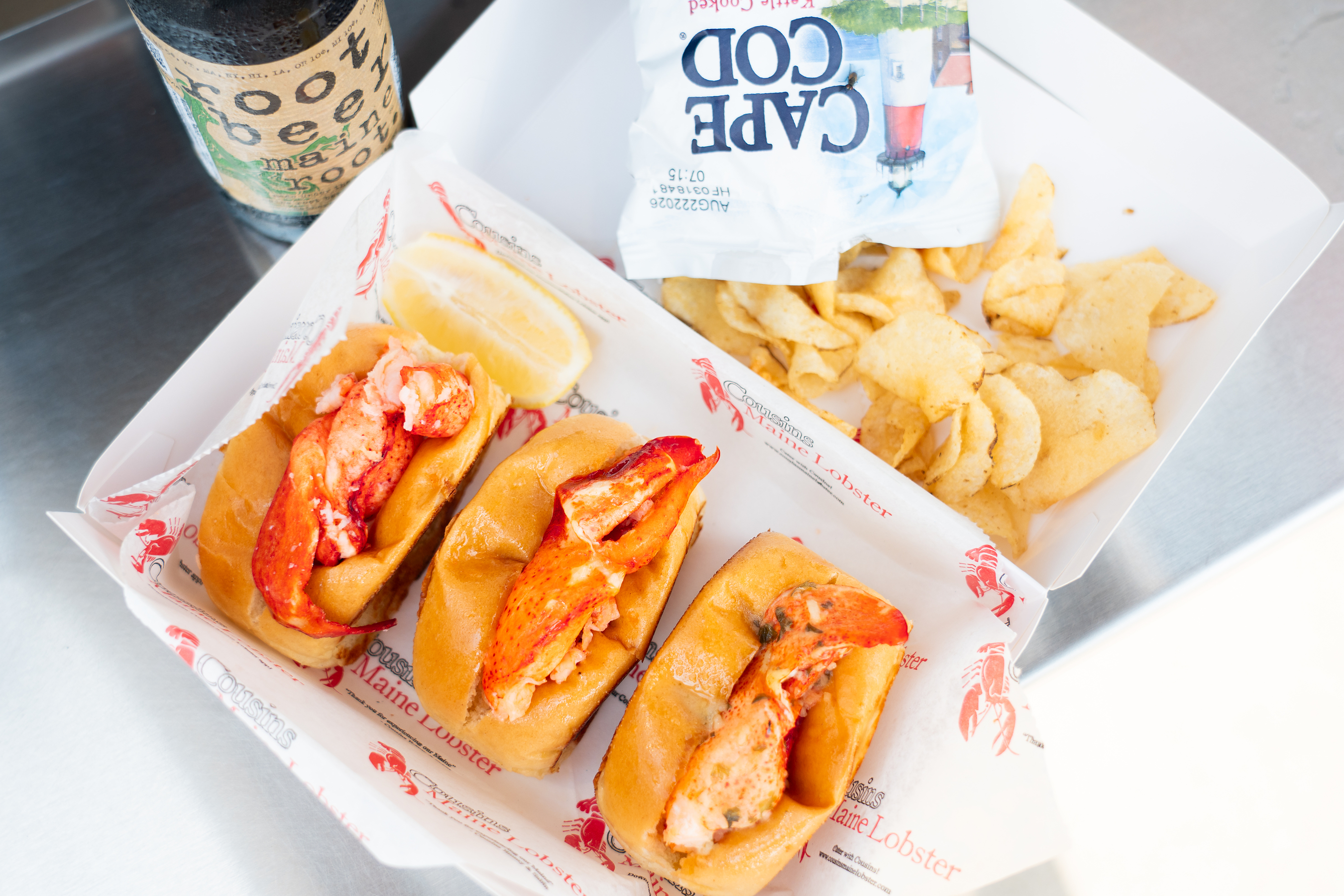
The tour menu adds a new data layer. Cousins Maine Lobster is introducing the Lobster Roll Flight — a sampler of its three signature rolls (Maine with mayo, Connecticut with butter and lemon, and Garlic Butter with Parmesan and herbs) — alongside its established lineup of clam chowder, lobster tacos, and whoopie pies. Introducing a new SKU during a road test gives the brand real purchase-behavior data across multiple DMAs before any permanent rollout decision, a tactic that overlaps neatly with the kind of limited-time-offer intelligence operators in the brand launch space increasingly build into pre-opening campaigns.
What the Model Signals
Cousins Maine Lobster has operated a franchise network since 2014 and now counts more than 50 locations nationwide. The Southwest circuit fits a pattern common among maturing food-truck franchise systems: use a hub truck — in this case Dallas–Fort Worth — to probe adjacent regional markets before a franchisee commits to a new territory. The brewery-and-community-venue routing minimizes permitting friction, keeps venue fees low, and targets the craft-beverage audience that over-indexes on premium food spending.
For operators and franchise development professionals, the CML model is worth benchmarking against your own expansion calculus. A week-long pop-up tour running 11am–8pm daily in six cities generates seven distinct data sets — geo-specific sales volume, line wait times, social engagement by stop, and app download spikes — all without the capital exposure of a new truck or brick-and-mortar lease. The brand's CML Mobile App, which supports order-ahead and loyalty rewards, adds a first-party data capture layer to each stop that permanent locations take months to accumulate.
For vendors and packaging suppliers tracking the operator intelligence landscape, Cousins Maine Lobster's approach also illustrates how franchise systems are using regional tours to condition local press and social audiences ahead of formal market entry — compressing the brand-awareness runway that a traditional grand opening would otherwise require.
What Operators Should Take Away
The Southwest tour runs through October 11. Franchise inquiries are directed to the brand's dedicated franchise page. Operators in the El Paso and New Mexico markets who see strong consumer response at these stops should read it as a signal that a permanent CML franchise unit in one of these cities is a viable near-term possibility.
Written by Michael Politz, Author of Guide to Restaurant Success: The Proven Process for Starting Any Restaurant Business From Scratch to Success (ISBN: 978-1-119-66896-1), Founder of Food & Beverage Magazine, the leading online magazine and resource in the industry. Designer of the Bluetooth logo and recognized in Entrepreneur Magazine's "Top 40 Under 40" for founding American Wholesale Floral, Politz is also the Co-founder of the Proof Awards and the CPG Awards and a partner in numerous consumer brands across the food and beverage sector.