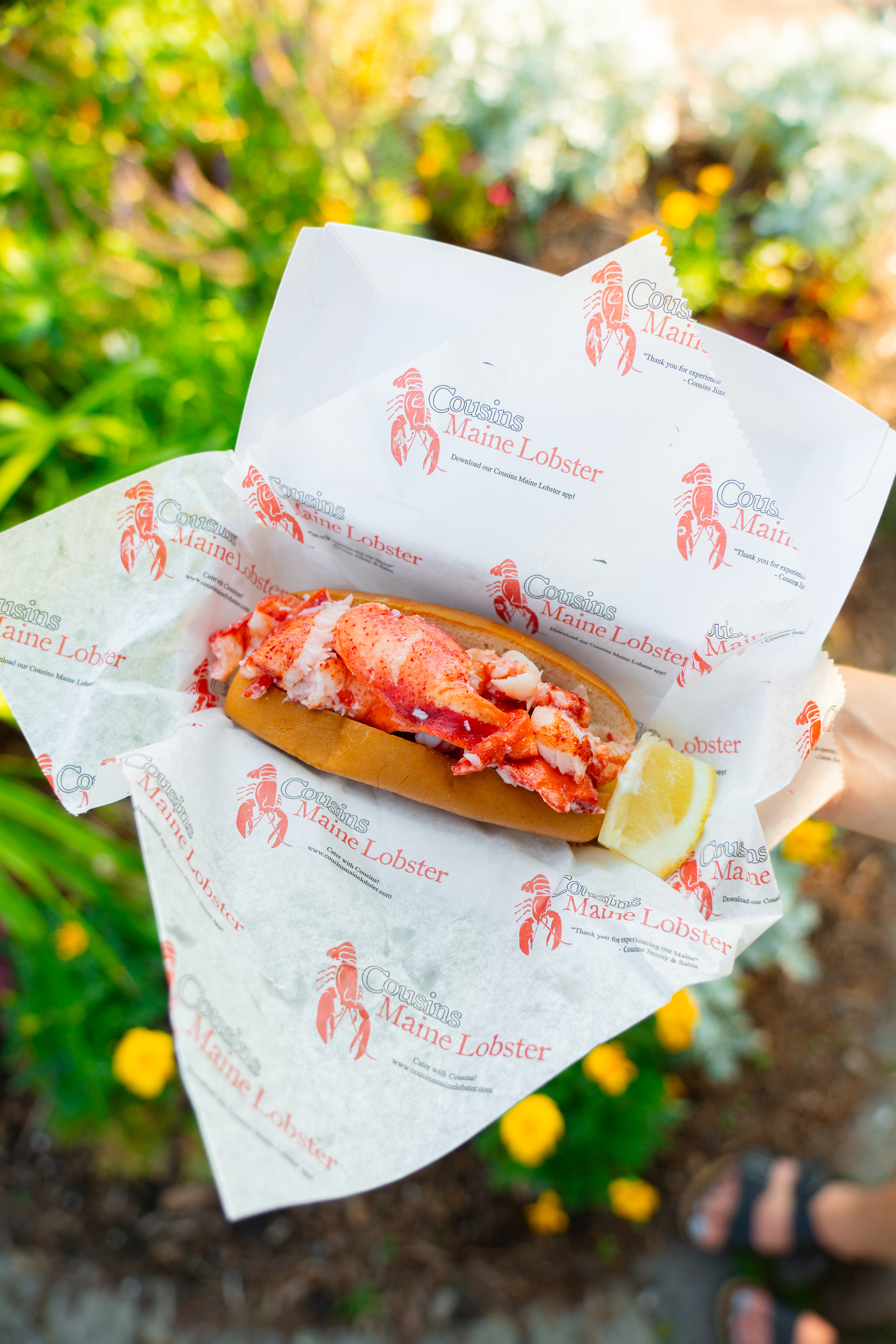
A new Cousins Maine Lobster food truck is set to launch in the Des Moines market on August 22, 2026, with a grand opening in Altoona, Iowa — a move that illustrates how the brand continues to fill Midwest white space through its franchise model rather than company-owned expansion.
Franchisee Karan Singh, already an operator within the CML system, is leading the entry. That choice signals something worth noting for operators watching franchise development trends: CML is leaning on proven internal talent to seed new markets rather than recruiting first-time franchisees cold. Singh's existing familiarity with the brand's supply chain, lobster sourcing protocols, and event-driven scheduling model reduces the ramp-up risk that typically accompanies a new market launch.
The Franchise Model
Cousins Maine Lobster has built its growth on a mobile-first franchise architecture — food trucks supported by a centralized sourcing relationship with Maine's coastal fishing communities, a loyalty-enabled mobile app, and a hub-and-spoke event strategy that places trucks at breweries, corporate campuses, and community gatherings rather than fixed storefronts. That model keeps franchisee capital requirements lower than brick-and-mortar concepts while generating repeat visit behavior through the app's order-ahead and location-tracking features. For operators evaluating franchise investment, the CML structure is a reasonable case study in low-overhead, high-visibility mobile foodservice.
Lindsay Herberger, Director of Franchise Development at Cousins Maine Lobster, framed the expansion in terms of market character: "Des Moines is a strong community-driven market," she noted — language that maps directly to the event-catering revenue stream that underpins the food truck P&L. Central Iowa's growing corporate and entertainment corridor, anchored by the Altoona area near Prairie Meadows and the Iowa Events Center, gives Singh a credible pipeline of high-volume booking opportunities.
What Operators Should Watch
The Des Moines launch is part of a broader pattern in premium fast-casual seafood: brands that built coastal audiences are now actively franchising into landlocked metros where wild-caught seafood carries novelty value and commands a price premium. That dynamic has supply chain implications — lobster sourced from Maine needs cold-chain integrity across longer distribution legs, and franchisees in inland markets absorb more logistical complexity than their coastal counterparts.
For foodservice operators and multi-unit franchise prospects in the Midwest, CML's playbook is worth benchmarking: mobile format, app-driven loyalty, event revenue as a primary channel, and a menu tight enough (lobster rolls, bisque, chowder, tacos) to execute consistently from a truck kitchen. The brand started franchising in 2014 and now operates approximately 50 locations nationwide, giving prospective franchisees a mature FDD to evaluate.
Operators interested in how mobile foodservice brands are using digital tools to drive repeat business can also find relevant context in our coverage of AI-driven loyalty and customer engagement for restaurant operators and the broader fast-casual franchise growth signals shaping investment decisions across the Midwest.
Written by Michael Politz, Author of Guide to Restaurant Success: The Proven Process for Starting Any Restaurant Business From Scratch to Success (ISBN: 978-1-119-66896-1), Founder of Food & Beverage Magazine, the leading online magazine and resource in the industry. Designer of the Bluetooth logo and recognized in Entrepreneur Magazine's "Top 40 Under 40" for founding American Wholesale Floral, Politz is also the Co-founder of the Proof Awards and the CPG Awards and a partner in numerous consumer brands across the food and beverage sector.