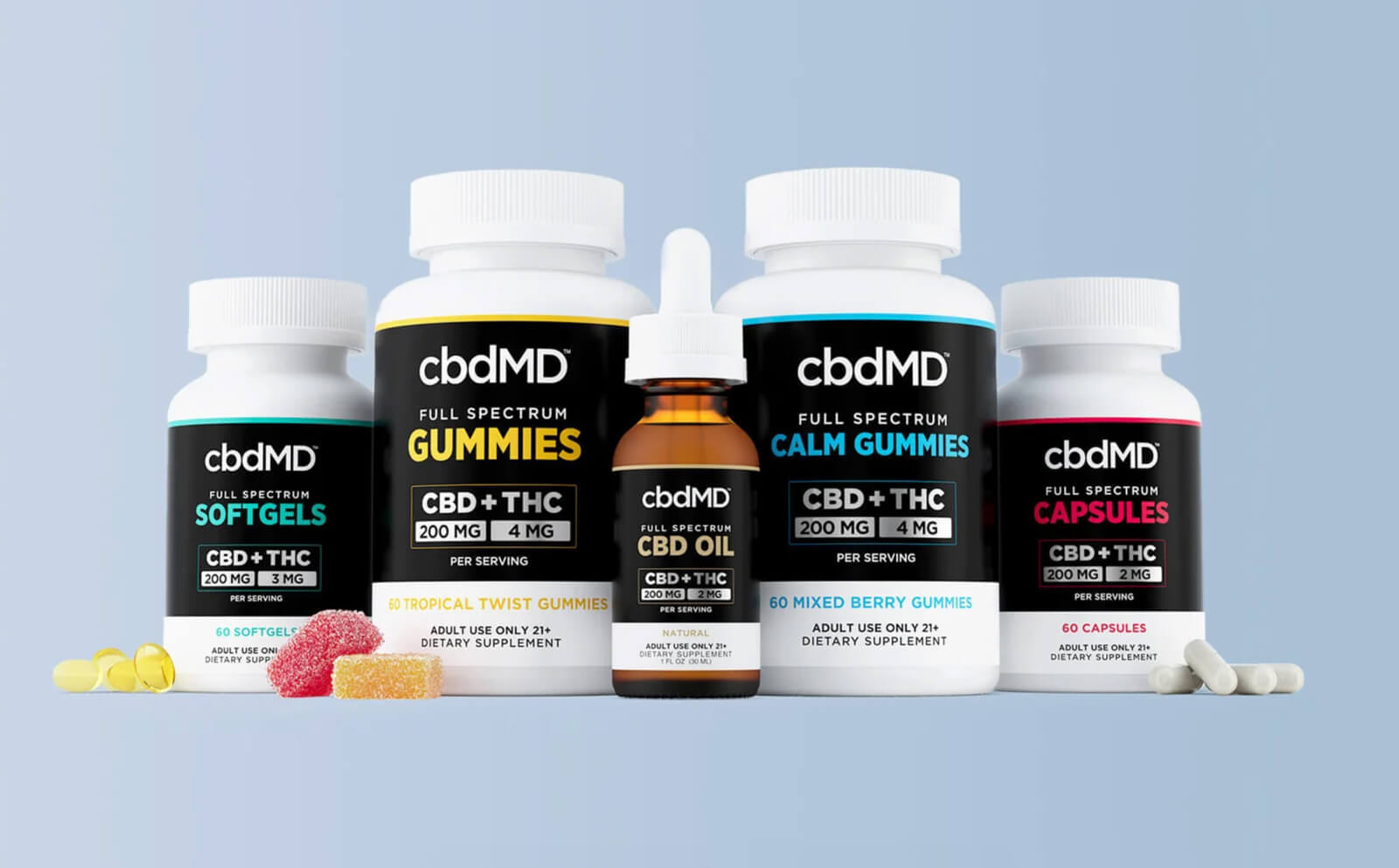
Charlotte-based cbdMD, Inc. posted $5.6 million in net sales for its fiscal third quarter ended June 30, 2026 — a 20.0% year-over-year increase — with the momentum concentrated in its wholesale channel, which surged 61.0% to $1.7 million as its Oasis hemp-derived THC beverage brand expanded into new retail distribution.
What Moved the Numbers
Wholesale now represents 30.0% of total net sales, up sharply from the prior year, driven almost entirely by Oasis. The brand added distribution in South Carolina and replaced its Texas distributor with a partner that more than quadrupled store-level access. Distributor depletions grew 25.0% in the quarter and hit a record in July, running more than 34.0% above the Q3 average. The company says August is on pace to double that figure. For operators and on-premise buyers watching functional beverages, Oasis is an early signal of how hemp-derived THC beverages are beginning to penetrate conventional retail and hospitality channels ahead of any settled federal framework.
The Bluebird Botanicals acquisition — completed earlier in fiscal 2026 — contributed its first full quarter of revenue, adding more than $500,000 to the top line. Direct-to-consumer e-commerce remained the larger channel at $3.9 million, or 70.0% of net sales, though state-level restrictions on CBD and hemp products created partial offsets to Bluebird's incremental lift.
Margin Pressure and Cost Response
Gross margin compressed to 54.7% from 61.5% in the prior-year quarter — a meaningful shift that operators and distributors should understand before reading too much into the top-line momentum. Three factors drove the compression: the channel mix shift toward lower-margin wholesale, incremental warehouse and repacking costs tied to evolving state compliance requirements, and a deliberate increase in inventory reserves ahead of the November 12, 2026 effective date of Section 781 of H.R. 5371. That provision, signed into law in November 2025, imposes a 0.4-milligram-per-container THC limit that would effectively require product reformulation or removal for much of the hemp beverage category.
The company also absorbed more than $100,000 in legal and M&A due-diligence expenses during the quarter. Despite those drags, non-GAAP Adjusted EBITDA loss narrowed to approximately $508,000 from $624,000 in the year-ago period — a directional improvement that management attributes to operating leverage on higher revenue. Cost-reduction initiatives launched in July target $100,000 to $150,000 in monthly savings, or approximately $1.2 million to $1.8 million annualized, beginning in Q4.
The Regulatory Play — and What Operators Should Watch
The more consequential development for beverage operators and buyers may be legislative rather than financial. A Senate stopgap measure, now moving to the House, would temporarily exempt naturally occurring cannabinoids from Section 781's per-container THC limit through December 11, 2026, buying the industry additional runway. Separately, the bipartisan Beverage Regulatory Parity Act introduced August 10, 2026 — backed by both Republican and Democratic sponsors — would establish an alcohol-style regulatory framework for hemp-derived beverages, a structure that would materially reduce compliance risk and open distribution pathways that currently remain uncertain.
For hospitality operators considering functional or hemp-based beverages for cocktail programs, mocktail menus, or retail-facing concepts, the direction of federal legislation matters as much as brand traction. A durable alcohol-style framework would make procurement and menu planning substantially more predictable. Companies with compliance infrastructure, clinical safety data, and established distributor networks — the profile cbdMD is building with Oasis — are the ones positioned to convert regulatory clarity into shelf space.
The company also launched a zero-proof Kava beverage under the Oasis brand immediately following quarter-end, extending the line beyond hemp-THC into a category with no regulatory overhang. That move is consistent with a broader industry pattern: functional-beverage operators are building brand-launch portfolios across multiple legal compounds to hedge legislative risk while maintaining consumer trial.
For buyers tracking operator intelligence in the functional and hemp beverage space, cbdMD's Q3 results offer a concrete look at what early-stage wholesale scaling looks like — including the margin costs, compliance investments, and distribution partner decisions that determine whether a beverage brand converts regional momentum into national presence.
Written by Michael Politz, Author of Guide to Restaurant Success: The Proven Process for Starting Any Restaurant Business From Scratch to Success (ISBN: 978-1-119-66896-1), Founder of Food & Beverage Magazine, the leading online magazine and resource in the industry. Designer of the Bluetooth logo and recognized in Entrepreneur Magazine's "Top 40 Under 40" for founding American Wholesale Floral, Politz is also the Co-founder of the Proof Awards and the CPG Awards and a partner in numerous consumer brands across the food and beverage sector.