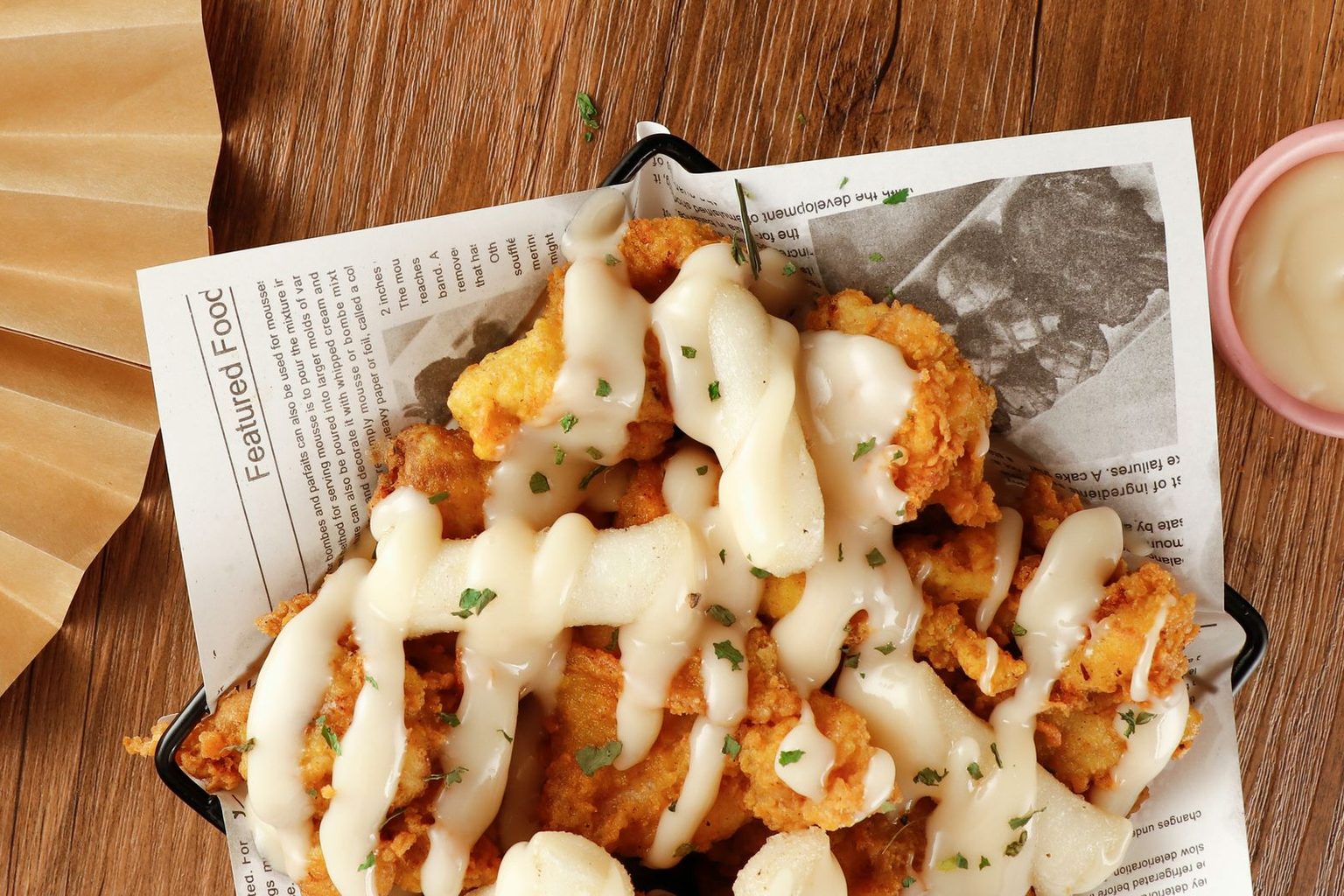
Bonchon is rolling out two limited-time additions to its menu: a Gold Dust flavor and a new cheesy shareable side, extending the Korean fried chicken chain's familiar double-fried format into fresh flavor territory.
For operators watching casual and fast-casual segment dynamics, Bonchon's LTO cadence is worth tracking. The brand has built consistent unit-level traffic by cycling bold, limited-availability flavors alongside its signature soy garlic and spicy offerings — a strategy increasingly common among concepts looking to drive repeat visits without overhauling kitchen operations or supply chains.
The LTO Calculus
Limited-time offers remain one of the highest-ROI levers in foodservice marketing. When paired with a shareable format like a side dish, the tactic does double work: it lifts average check through add-on attachment while generating organic social content from guests documenting the experience. Bonchon's Korean fried chicken positioning already carries strong shareability equity, and a cheesy side fits neatly into the snackable, group-dining occasion the brand courts.
From a procurement and operations standpoint, LTOs that slot into existing fry station workflows — rather than requiring new equipment, cold-chain logistics, or extended prep training — are the ones that actually execute cleanly at the unit level. Brands that have struggled with LTO complexity in recent years have often traced the problem back to supply or labor friction, not lack of guest interest. Bonchon's additions appear designed to stay within existing kitchen parameters, which reduces rollout risk for franchisees.
What Operators Should Watch
For multi-unit operators and brand strategists in the brand launch and menu innovation space, the signal here is straightforward: flavor-forward LTOs tied to shareable formats are outperforming single-SKU limited items in both social engagement and check average lift across the fast-casual segment. The combination of a named flavor (Gold Dust) with a side that encourages table sharing is a deliberate traffic and trial architecture, not incidental menu design.
Operators in adjacent categories — wings, sandwiches, Korean-American fusion — should note that Bonchon continues to expand its flavor vocabulary while keeping its kitchen model tight. That discipline is as instructive as the menu news itself. For more on how brands are using LTO strategy to drive operator intelligence around menu trends, the competitive context matters: guests are making dining decisions faster, and a distinct, nameable LTO gives both front-of-house staff and digital marketing something concrete to amplify.
Both items are available for a limited time at participating Bonchon locations.
Written by Michael Politz, Author of Guide to Restaurant Success: The Proven Process for Starting Any Restaurant Business From Scratch to Success (ISBN: 978-1-119-66896-1), Founder of Food & Beverage Magazine, the leading online magazine and resource in the industry. Designer of the Bluetooth logo and recognized in Entrepreneur Magazine's "Top 40 Under 40" for founding American Wholesale Floral, Politz is also the Co-founder of the Proof Awards and the CPG Awards and a partner in numerous consumer brands across the food and beverage sector.