The Move
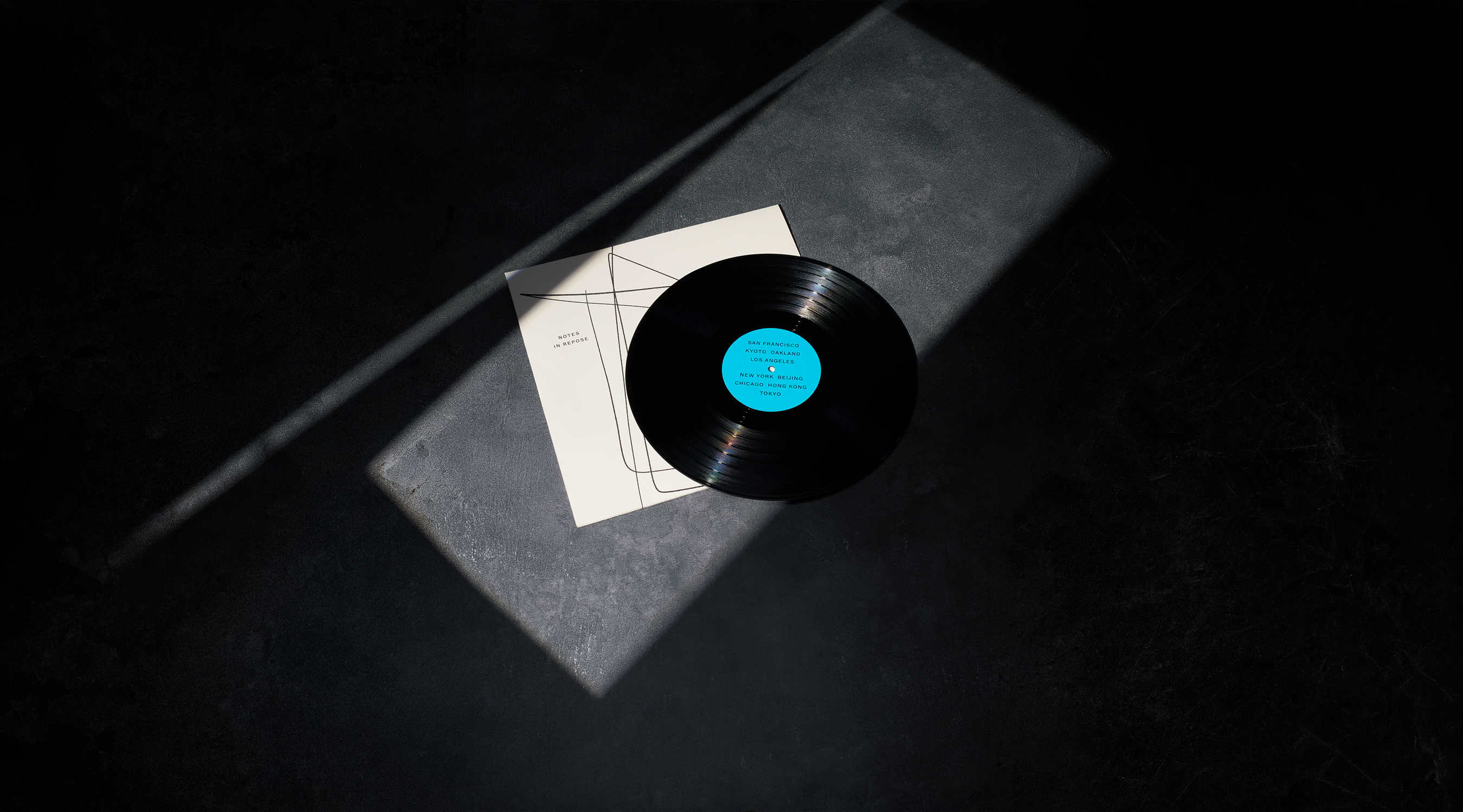
Blue Bottle Coffee is releasing Notes in Repose, a limited-edition vinyl compilation, on October 6 — available exclusively at bluebottlecoffee.com while supplies last. Only 1,500 copies will be produced. The 10-track album features contemporary jazz artists spanning nine cities across Blue Bottle's North American and Asian cafe markets, including Ali Shaheed Muhammad, Makaya McCraven, Jeff Parker, Angel Bat Dawid, and the Kyoto Jazz Sextet. Ambient recordings captured inside Blue Bottle cafes thread the compositions together, grounding the project in the brand's physical retail environment.
The release is explicitly tied to the brand's Signature Blend lineup, particularly Giant Steps — a bold, chocolatey blend named after John Coltrane's 1960 recording. That naming decision is not incidental. It encodes a brand narrative directly into the product: blending coffee, like composing jazz, is an act of deliberate construction. For operators watching how specialty coffee justifies premium positioning, that kind of layered storytelling is increasingly where the work lives.
Why Operators Should Pay Attention
Physical media drops as brand activation tools are gaining traction among premium food and beverage brands because they accomplish several things a digital campaign cannot: they create scarcity, generate earned media from collectors and enthusiasts, and drive direct-to-consumer traffic at a single URL with a hard deadline. A 1,500-unit run is not a revenue play — it is a brand signal, and a measurable one. Sell-through velocity, DTC traffic lift, and press pickup are all trackable outcomes that justify the production cost without needing to move meaningful retail volume.
Blue Bottle's creative foundation here — founder James Freeman was a professional clarinetist before opening the first cafe in Oakland in 2002 — gives the activation genuine authenticity rather than borrowed cultural credibility. The Japanese jazz kissa tradition, where listening to records and drinking coffee are treated as complementary disciplines, informs the project's name and intent. That specificity is what separates a brand moment from a marketing stunt, and it is the kind of detail that travels well in editorial coverage and influencer contexts alike.
What This Signals for Brand Launch Strategy
For food and beverage brands building brand launch packages or trying to differentiate SKUs at the shelf or in a buyer presentation, the Blue Bottle approach is a practical case study in sensory brand extension. The vinyl is not a product diversification play — it is collateral that makes the coffee line more legible, more narratable, and more memorable to a specific consumer segment. Specialty grocery buyers and hospitality procurement teams respond to this kind of coherent brand world-building when evaluating whether a vendor fits their floor or program.
Agencies and brand consultants working on operator intelligence for premium beverage clients should note the DTC-first distribution choice. Routing the drop through bluebottlecoffee.com rather than retail keeps the brand in control of the customer relationship, captures first-party data, and avoids margin compression — a structurally sound decision regardless of the category.
Written by Michael Politz, Author of Guide to Restaurant Success: The Proven Process for Starting Any Restaurant Business From Scratch to Success (ISBN: 978-1-119-66896-1), Founder of Food & Beverage Magazine, the leading online magazine and resource in the industry. Designer of the Bluetooth logo and recognized in Entrepreneur Magazine's "Top 40 Under 40" for founding American Wholesale Floral, Politz is also the Co-founder of the Proof Awards and the CPG Awards and a partner in numerous consumer brands across the food and beverage sector.