Pizza complaint rates at Tommy's Tavern and Tap dropped from approximately 1.5% to 0.25% after the 19-location bar-and-grill concept switched to Bacio Cheese — a data point the Leprino Foods-owned brand is now using to recruit full-service operators into a category it has historically served only through dedicated pizzerias.
The move reflects a broader procurement signal for multi-unit operators: premium ingredient investment in a single high-visibility menu category can generate measurable loyalty and off-premise performance gains without a concept overhaul.
The Operator Case
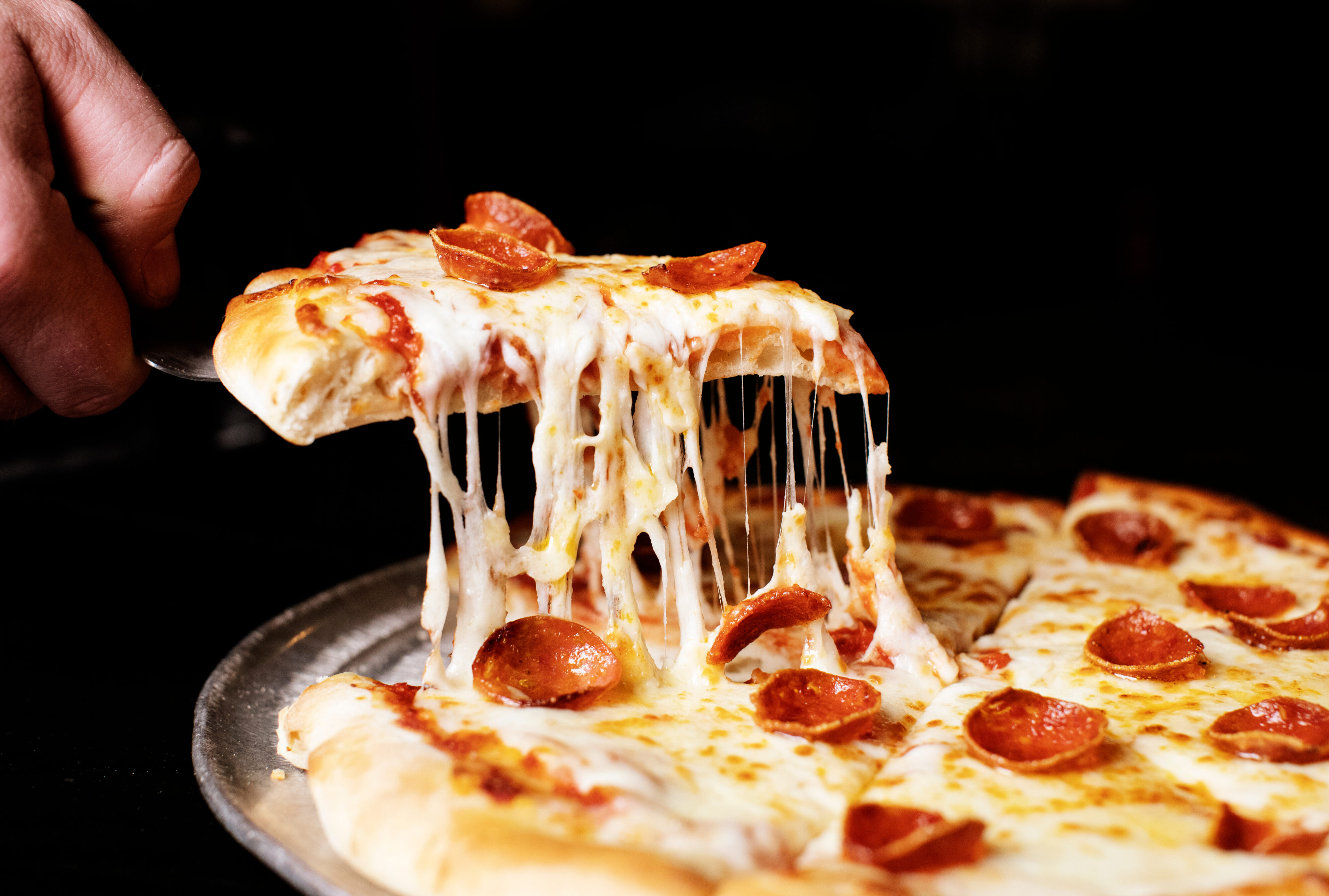
Tommy's Tavern and Tap is a useful benchmark because its menu spans sushi, burgers, and tavern fare — making its coal-fired pizza program a genuine add-on, not a core identity. Executive Chef Chris Perrino made the switch specifically to create a dish guests couldn't easily replicate at home or find at a competitor. The results extend beyond complaint reduction: Perrino reports that a Bacio slice picked up twenty minutes after cooking still pulls like fresh mozzarella rather than turning oily or rubbery, a meaningful off-premise differentiator as takeout revenue continues to account for a larger share of full-service sales.
The chain also used the Bacio Gold Club Rewards program — a monthly cash-back structure available through Performance Food Group distributor partners — to fund a dedicated pizza specialist who travels all 19 locations training staff on technique and precision. That's a staffing and training model funded largely by ingredient spend, which is a procurement structure worth noting for operators evaluating total cost of ownership rather than line-item food cost alone.
What This Signals for Procurement
Bacio's push into bar-and-grill is part of a wider industry pattern: specialty ingredient suppliers that built their reputations inside single-concept verticals are now targeting full-service and multi-unit operators with category-expansion arguments. For purchasing managers, the relevant question is whether a premium cheese SKU can be cross-utilized across multiple menu items to justify the cost step-up. At Tommy's, the same cheese anchors the pizza program and the signature spinach and artichoke dip, compressing SKU count while maintaining quality consistency across the kitchen — a practical inventory argument that procurement teams will recognize.
According to a 2026 Bacio consumer survey, 97% of U.S. consumers love or like pizza, and 88% say they are eating the same amount or more pizza compared to the prior year. Those numbers reinforce what many full-service operators are already observing: pizza punches above its weight on repeat-visit intent, especially when it is positioned as a differentiated item rather than a commodity add-on. For operators already on a menu development and pricing review, that demand signal is worth layering into category planning.
The Bacio Gold Club Rewards program distributes cash-back monthly, with purchases tracked automatically through the Performance Food Group channel. Members also gain access to Bacio's Marketing Store for co-branded merchandising support — a vendor-funded marketing benefit that operators evaluating supplier partnership programs should stack against comparable distributor incentive structures before committing volume.
The ROI Framing
Perrino frames the economics directly: spending a dollar on a better ingredient to generate an additional eight dollars in guest retention and repeat visits is, in his words, "really good math." That ratio is unverified at scale, but the directional logic is sound — guest acquisition costs in full-service dining make retention-focused ingredient investment a legitimate margin play, particularly in categories where differentiation is visible and sensory.
Operators evaluating a pizza program upgrade can request a customized product cutting and tasting demonstration through Bacio's website. Enrollment in the Gold Club Rewards program is available online or through a Performance Food Group distributor partner.
Written by Michael Politz, Author of Guide to Restaurant Success: The Proven Process for Starting Any Restaurant Business From Scratch to Success (ISBN: 978-1-119-66896-1), Founder of Food & Beverage Magazine, the leading online magazine and resource in the industry. Designer of the Bluetooth logo and recognized in Entrepreneur Magazine's "Top 40 Under 40" for founding American Wholesale Floral, Politz is also the Co-founder of the Proof Awards and the CPG Awards and a partner in numerous consumer brands across the food and beverage sector.