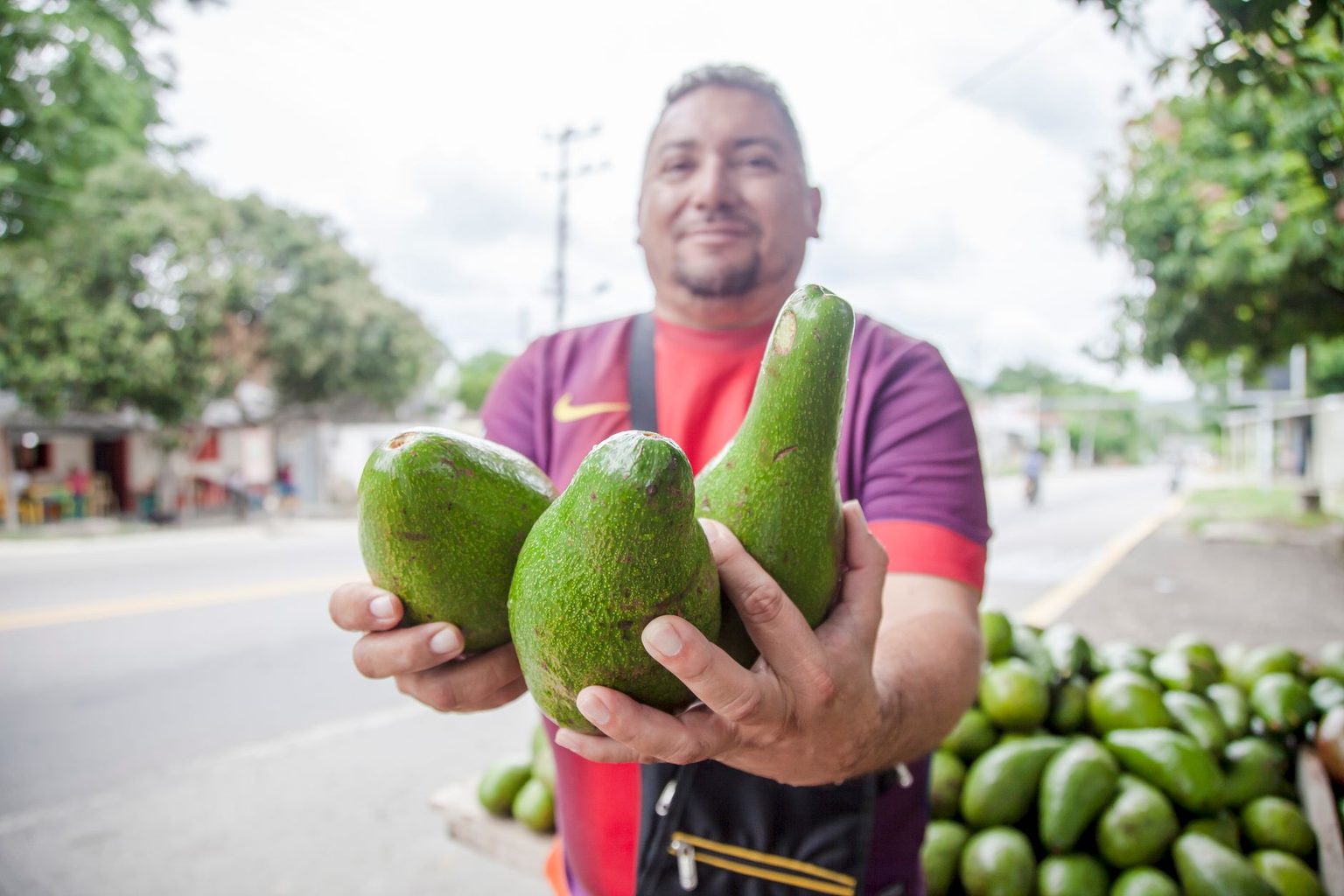
Avocados From Peru landed one of the more unconventional brand placements of the summer, hosting a Superfood Breakfast aboard the USS Arlington on July 2 as part of the U.S. Navy's International Naval Review 250 in New York Harbor — a once-in-a-generation event marking America's 250th anniversary.
The invitation came directly from the U.S. Navy, positioning the commodity board alongside an inherently high-reach, high-prestige backdrop. For produce marketers and foodservice buyers watching how origin brands compete for shelf and menu space, the move is a useful case study in earned activation: the board didn't buy a trade-show booth or a programmatic banner; it secured a seat at a nationally televised maritime moment.
What Operators Should Note
Experiential activations at civic or government-adjacent events carry a credibility premium that paid media rarely replicates. Commodity boards — avocados, almonds, dairy — have long used sports and wellness sponsorships to drive trial, but pairing a "Superfood Breakfast" format with a military vessel leans into a different consumer association: durability, performance nutrition, and national pride. That framing is increasingly relevant as operators and retail buyers respond to consumer demand for ingredient provenance and functional benefit claims.
For distributors and foodservice buyers, the signal here is about supply confidence as much as marketing. Peru has been a growing origin story in the U.S. avocado market, providing volume during windows when Mexican supply tightens. A board with the budget and access to execute a Navy-hosted breakfast activation is one that is investing in long-term demand creation — which matters when you are evaluating whether to expand SKU depth or add a Peruvian-origin line to a produce program.
The Broader Brand-Launch Angle
Commodity boards are, in effect, running brand-launch playbooks on behalf of entire growing regions. The tactics — influencer access, media placement, experiential sampling — mirror what emerging CPG brands do at launch, except the "product" is a country of origin. Operators evaluating avocado programs, whether for a fast-casual menu refresh or a hotel breakfast build-out, should watch how boards like Avocados From Peru invest in demand-side marketing; it often predicts where category promotional support and co-marketing dollars will flow next.
For a deeper read on how produce and ingredient brands are using experiential and operator-intelligence plays to influence foodservice procurement decisions, the pattern here is worth tracking into the fall trade season.
Takeaway for operators: This is a reminder that commodity boards function as de facto marketing partners — understanding their activation calendar can inform your own promotional planning and supplier conversations.
Written by Michael Politz, Author of Guide to Restaurant Success: The Proven Process for Starting Any Restaurant Business From Scratch to Success (ISBN: 978-1-119-66896-1), Founder of Food & Beverage Magazine, the leading online magazine and resource in the industry. Designer of the Bluetooth logo and recognized in Entrepreneur Magazine's "Top 40 Under 40" for founding American Wholesale Floral, Politz is also the Co-founder of the Proof Awards and the CPG Awards and a partner in numerous consumer brands across the food and beverage sector.