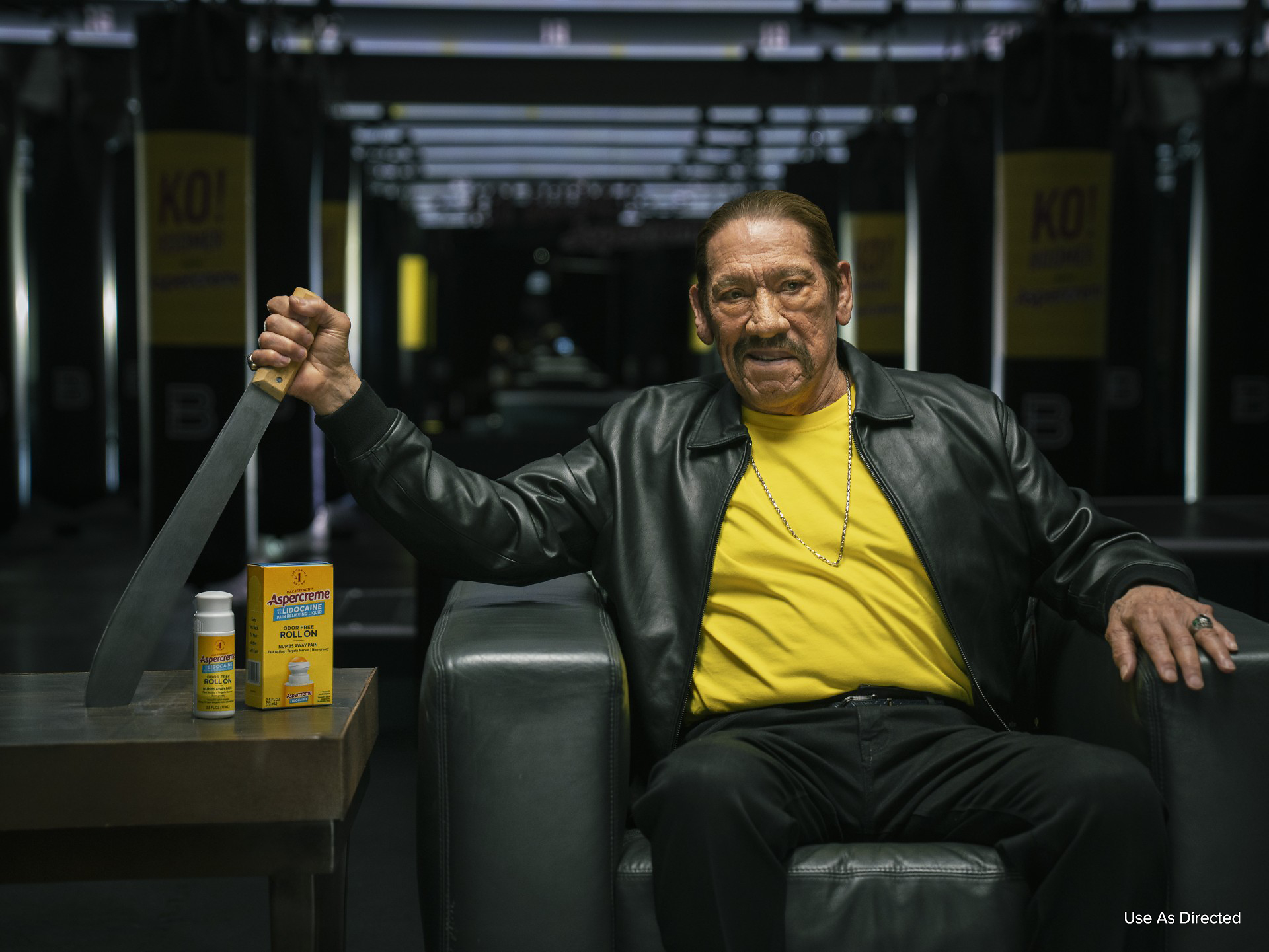
Aspercreme, the #1 topical lidocaine brand in the U.S. OTC analgesic market, launched a national campaign on August 17 called "KO Boomer" — enlisting actor Danny Trejo and a roster of healthy-aging athletes to reframe how brands (and hospitality operators) talk to and market toward consumers over 50. The campaign runs through September 30 and includes a petition, a sweepstakes with a $4,000 active-vacation gift card, and a coordinated earned-media push across national channels.
For food, beverage, and hospitality operators, the relevance isn't the pain cream. It's the playbook.
Who's Actually in the Room
The 50+ consumer is the most undercelebrated demographic in hospitality marketing. They travel more, spend more per trip, and account for a disproportionate share of full-service restaurant visits, premium hotel stays, and resort activity bookings. Aspercreme's parent company Opella — a B Corp–certified self-care challenger with roughly 100 consumer brands globally — is investing in celebrity partnership, sweepstakes mechanics, and petition-driven engagement specifically to capture this segment's attention and loyalty. That's a media model that translates directly to what destination resorts, hotel F&B programs, and experiential dining concepts should be doing.
Rob Carter, Head of Brand & Innovation Topical Pain North America at Opella, framed it plainly: the brand's goal is to enable people to "live their lives without compromise." That positioning — active, confident, unslowed — is exactly the aspirational identity that upscale hospitality brands have been trying to attach to the boomer and young-senior traveler for years, often without the creative specificity to make it land.
What the Campaign Signals for Operators
The "KO Boomer" structure is worth examining as an operator-intelligence case study. It combines three channels that any growth-minded hospitality brand can replicate: a cultural hook (reclaiming a meme), a credible celebrity who embodies the target demo's self-image, and a sweepstakes with an experiential prize — an active vacation — rather than cash or product. That prize architecture is deliberate. It reinforces the lifestyle identity the brand is building, not just a transactional giveaway.
For hotel F&B directors, resort marketing teams, and beverage brands targeting the active-aging consumer, this is a useful benchmark. The 50+ demographic responds to campaigns that reflect their actual self-perception — energetic, experienced, still in the game — rather than campaigns that condescend with "senior-friendly" messaging. Aspercreme is distributing through Walmart, CVS, and Walgreens, meaning the campaign has mass-market reach, but the creative is aspirational, not discount-driven.
Hospitality brands chasing the same consumer should audit their own brand voice through that lens. Are your menus, your loyalty emails, your social ads actually speaking to the active boomer — or are they silently aging them out? See how forward-thinking operators are approaching digital campaign targeting for hospitality and explore how the active-aging consumer is reshaping food and beverage trends for full-service and experiential venues.
Takeaways for Operators
Written by Michael Politz, Author of Guide to Restaurant Success: The Proven Process for Starting Any Restaurant Business From Scratch to Success (ISBN: 978-1-119-66896-1), Founder of Food & Beverage Magazine, the leading online magazine and resource in the industry. Designer of the Bluetooth logo and recognized in Entrepreneur Magazine's "Top 40 Under 40" for founding American Wholesale Floral, Politz is also the Co-founder of the Proof Awards and the CPG Awards and a partner in numerous consumer brands across the food and beverage sector.