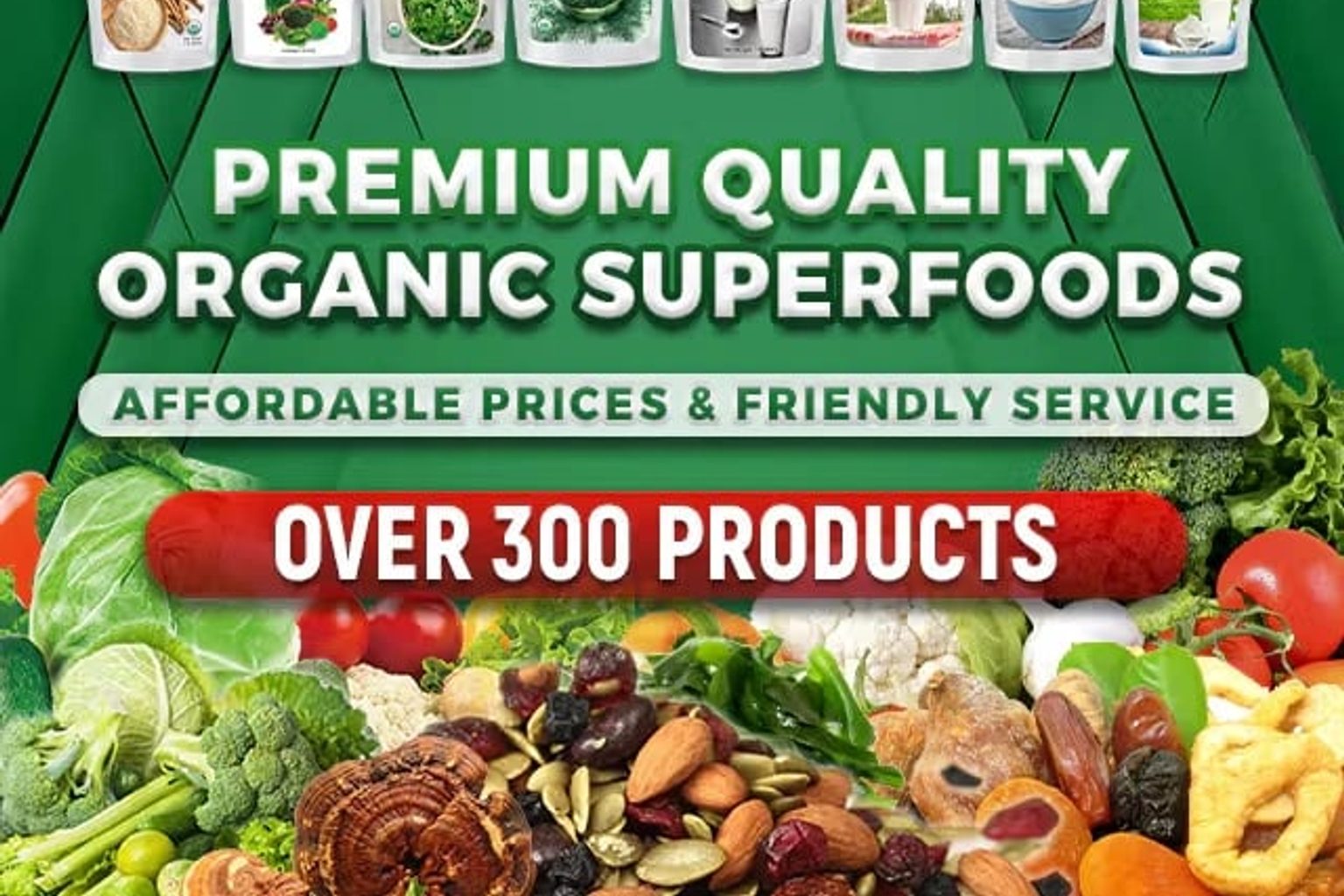
Z Natural Foods is expanding its bulk ingredient catalog with a Chocolate Goat Whey Protein Concentrate — a three-ingredient blend of goat whey protein, organic dark cacao, and medium-chain triglycerides (MCTs) — available in formats ranging from 1 lb retail pouches to 55 lb wholesale bags. For foodservice operators, wellness-focused hotel F&B programs, and contract manufacturers sourcing functional protein ingredients, the 55 lb bulk format is the operative detail.
Why A2 Protein Matters Now
The goat whey protein category has gained traction among operators building allergen-sensitive menus and specialty nutrition programs. Goat whey is naturally rich in A2 beta-casein — a protein variant that a growing body of consumer research links to easier digestion compared to conventional A1 cow's milk whey. For operators running smoothie bars, spa menus, or private-label supplement programs, A2 positioning opens a merchandising lane that standard whey cannot address. Jonathan Parker, Director of Nutrition Sciences for Z Natural Foods, describes the formula as designed to deliver "high-quality goat whey protein" while leveraging the complementary benefits of each added ingredient.
Bulk Format Signals B2B Intent
The 55 lb pouch offering telegraphs Z Natural Foods' primary audience: wholesalers, co-manufacturers, and high-volume foodservice accounts rather than direct-to-consumer retail. With over 400 specialty products and services that include blending, bulk purchasing, and delivery, the West Palm Beach-based company is positioned as a turnkey ingredient supplier. That breadth matters to procurement teams evaluating a single-vendor strategy for powdered superfoods and functional proteins.
For operators sourcing protein ingredients for in-house blending — think resort spa cafes, fitness-oriented hotel concepts, or contract food manufacturers supplying branded wellness products — the all-in-one formulation (protein, fat, flavoring already combined) reduces SKU complexity and kitchen-side prep steps. The MCT inclusion also aligns with ketogenic and low-glycemic menu positioning that remains active across hospitality wellness channels.
Buyers evaluating this category should benchmark it against the broader functional ingredient procurement landscape, where suppliers are increasingly bundling flavoring, fat sources, and protein into ready-to-use bases. That trend reduces formulation cost for operators but also compresses differentiation — meaning the A2 and organic cacao claims carry most of the positioning weight in a buyer conversation.
What Operators Should Do Next
If your program sources bulk protein for smoothies, baked goods, or branded nutrition products, A2 goat whey now warrants a line on the RFP. Request a certificate of analysis, verify organic cacao sourcing documentation, and compare landed cost per pound at the 55 lb tier against your current whey supplier. For hotel and resort F&B directors building allergen-aware menus, the digestibility angle is worth testing with your dietitian before adding a guest-facing claim.
For more context on functional ingredient trends shaping operator purchasing decisions, see our coverage of beverage and supplement sourcing shifts and ingredient supplier evaluations for foodservice.
Written by Michael Politz, Author of Guide to Restaurant Success: The Proven Process for Starting Any Restaurant Business From Scratch to Success (ISBN: 978-1-119-66896-1), Founder of Food & Beverage Magazine, the leading online magazine and resource in the industry. Designer of the Bluetooth logo and recognized in Entrepreneur Magazine's "Top 40 Under 40" for founding American Wholesale Floral, Politz is also the Co-founder of the Proof Awards and the CPG Awards and a partner in numerous consumer brands across the food and beverage sector.