A family-owned farm market in New Lebanon, New York is running its fourth consecutive ticketed lobster event on Aug. 8 — a format that illustrates how agritourism operators convert seasonal demand into predictable, pre-sold revenue.
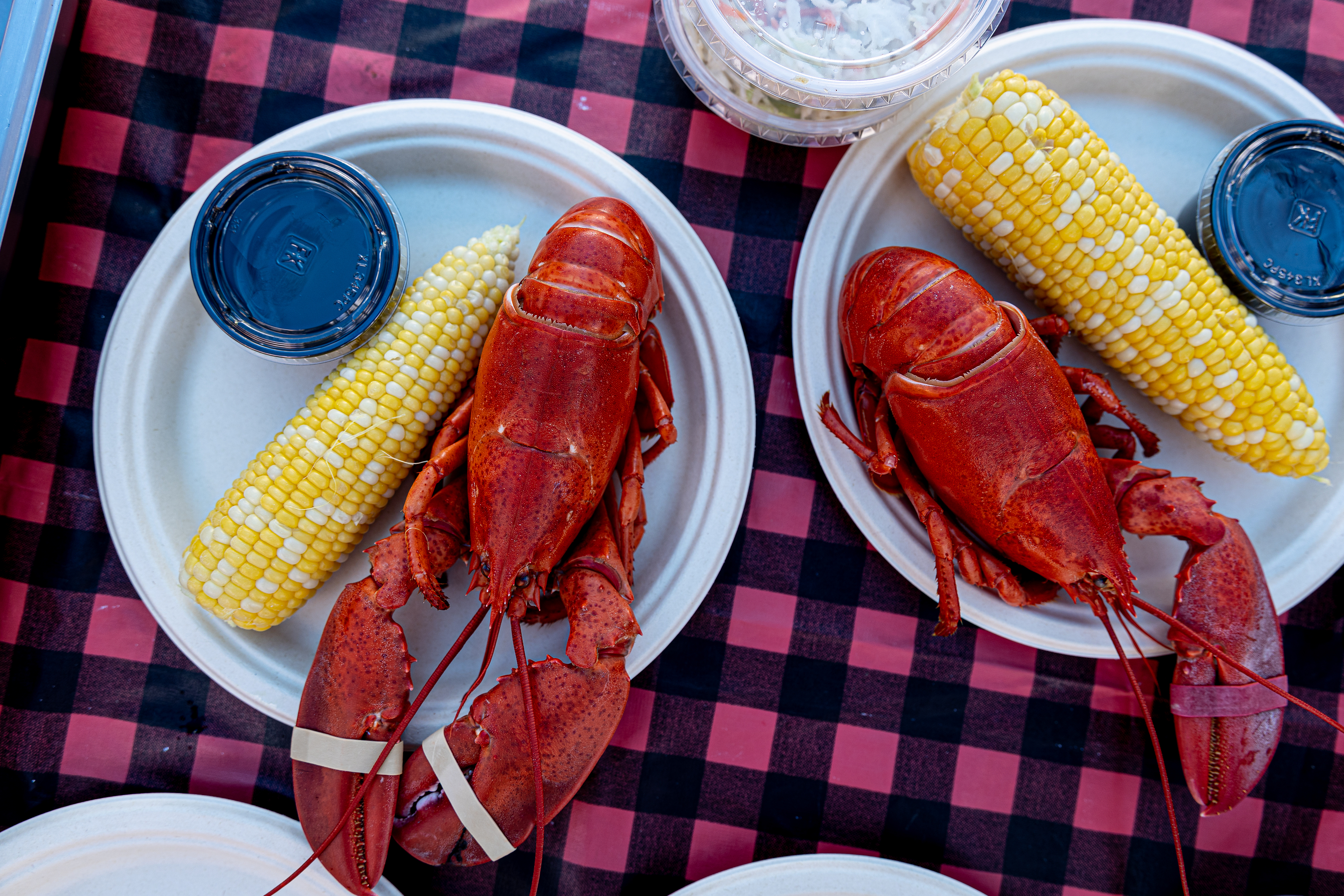
Woodlife Farm Market is hosting the event from noon to 6 p.m. at its property on Old Route 20, offering a $35 lobster plate that includes a whole fresh Maine lobster, coleslaw, potato salad, and corn on the cob. Advance purchase is required by noon on Aug. 5, and no orders are accepted after that deadline. Emily Gamble, General Manager of Woodlife Farm Market, noted that last year's supply sold through quickly, making the hard cutoff a practical necessity rather than just a marketing tactic.
The Operator Playbook
The ticketed-plate structure solves a real procurement problem for small farm-market operators: whole lobster is a high-cost, perishable protein with near-zero shelf life once received. By requiring advance purchase and setting a firm order deadline, the market eliminates over-purchasing risk entirely and locks in revenue before a single lobster ships from Maine. That procurement discipline is transferable to any seasonal or limited-supply menu concept — from crab boils to whole-animal dinners — where over-ordering creates margin exposure.
The event also layers a live music component (Just N Kace, 2 to 5 p.m.) and an open-access general admission track: guests who skip the lobster plate need no ticket and can purchase from the Woodlife Kitchen's burger, hot dog, and barbecue chicken menu. Alcoholic and non-alcoholic beverages are available throughout. That two-tier structure — ticketed anchor item plus walk-in food-and-beverage — maximizes site attendance without tying all revenue to a single SKU.
Agritourism as a Retention Channel
For farm markets and agritourism destinations competing against grocery chains and farmers market aggregators, recurring branded events function as a loyalty and retention mechanism. A fourth-annual event carries implicit brand equity: it signals operational consistency and gives the market a calendar anchor that drives repeat visits and social sharing without paid media. The trail access Woodlife has added to the property extends the dwell time beyond the meal window, which typically increases per-visit beverage spend.
This event format is increasingly relevant as farm-market operators look for revenue diversification beyond produce margins. Ticketed experiences, catering, and seasonal events are among the highest-margin revenue lines available to a farm-market footprint — a dynamic covered in broader operator-intelligence trends around experiential dining and seasonal menu programming for independent operators.
For operators considering a similar model, the Woodlife structure is straightforward to replicate: anchor protein with a known supply chain, hard advance-order window tied to the supplier's lead time, open-access secondary menu to capture non-ticket guests, and a live entertainment component to justify a multi-hour dwell time.
Written by Michael Politz, Author of Guide to Restaurant Success: The Proven Process for Starting Any Restaurant Business From Scratch to Success (ISBN: 978-1-119-66896-1), Founder of Food & Beverage Magazine, the leading online magazine and resource in the industry. Designer of the Bluetooth logo and recognized in Entrepreneur Magazine's "Top 40 Under 40" for founding American Wholesale Floral, Politz is also the Co-founder of the Proof Awards and the CPG Awards and a partner in numerous consumer brands across the food and beverage sector.